Carbon Quartz Heating Lamps: Engineering Infrared Power for Industrial Processes
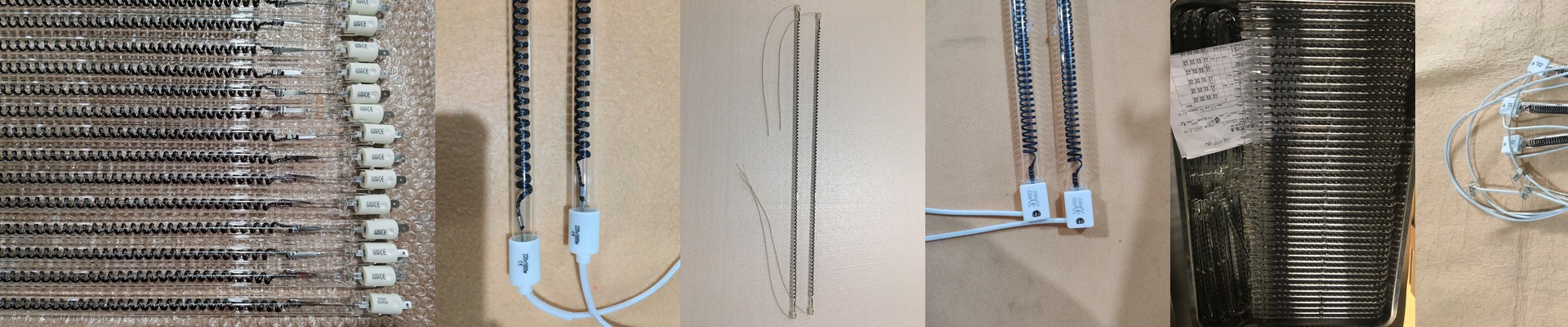
We build carbon quartz heating lamps for industrial environments where heat needs to be delivered fast, clean, and precise. These are not household bulbs; they are engineered infrared emitters designed to handle high-temperature demands on the factory floor. The core job is simple: convert electricity into intense radiant heat with minimal waste, and do it reliably, cycle after cycle.
Technical Deep-Dive: Power, Voltage, and Dimensions
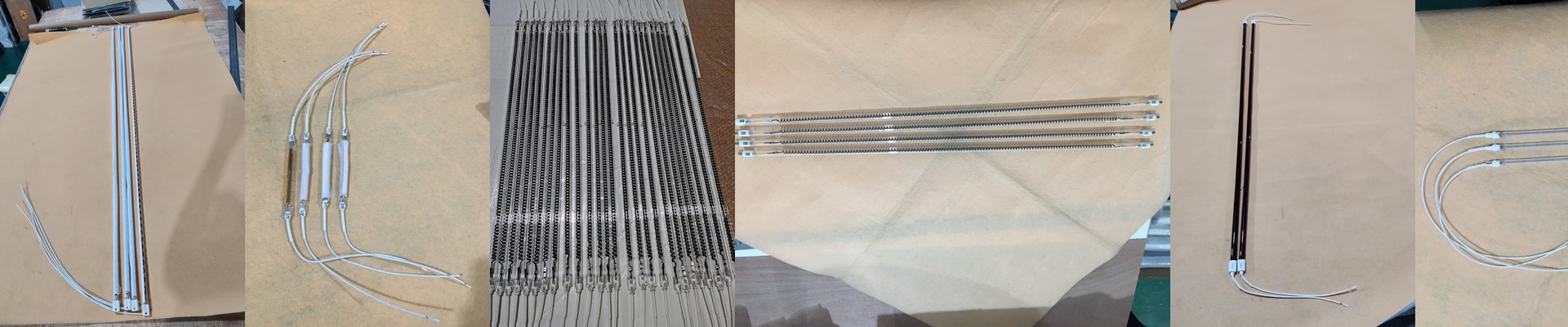
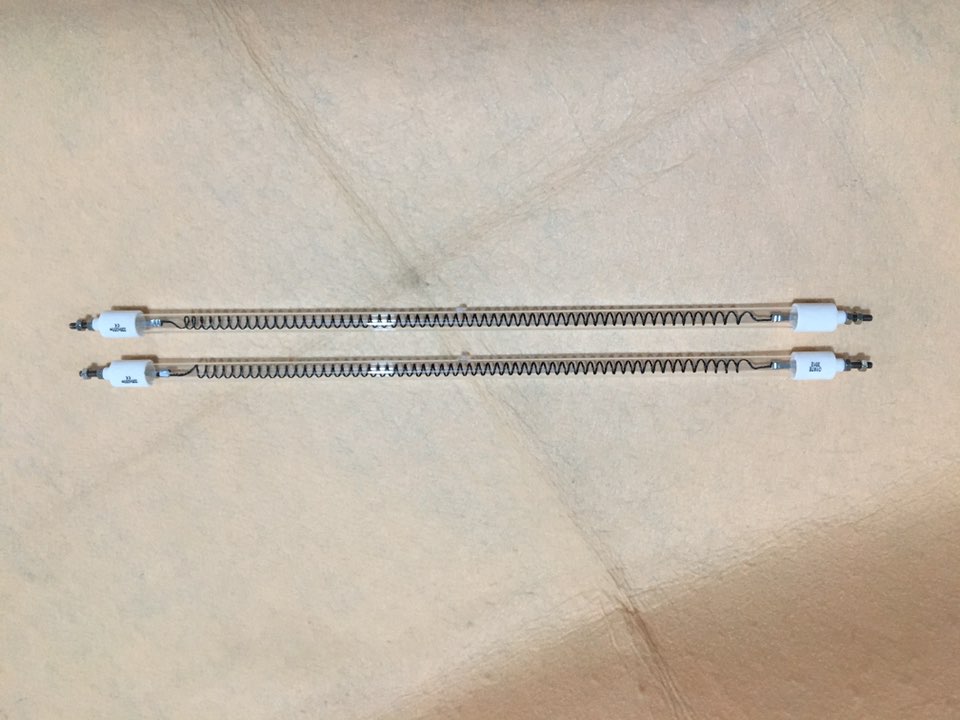
Carbon quartz lamps are sized to deliver a specific heat density, and the numbers tell the story. A typical unit might run at 2500W with a 400V supply. This high-voltage, high-power combination is chosen to push current through a carbon filament while keeping conductor sizes manageable. Higher voltage means lower amperage for the same wattage, which reduces wire size and contact stress in the socket. The physical dimensions matter just as much. A 300mm tube length concentrates the radiant field into a defined zone, matching the heated area on the part or the machine throat. Shorter lengths increase power density per unit area, but they also demand tighter alignment and better reflector design to avoid hot spots. You spec the length to match the process window, not the other way around.
Material and Design: Why Carbon, Why Quartz, Why R7s
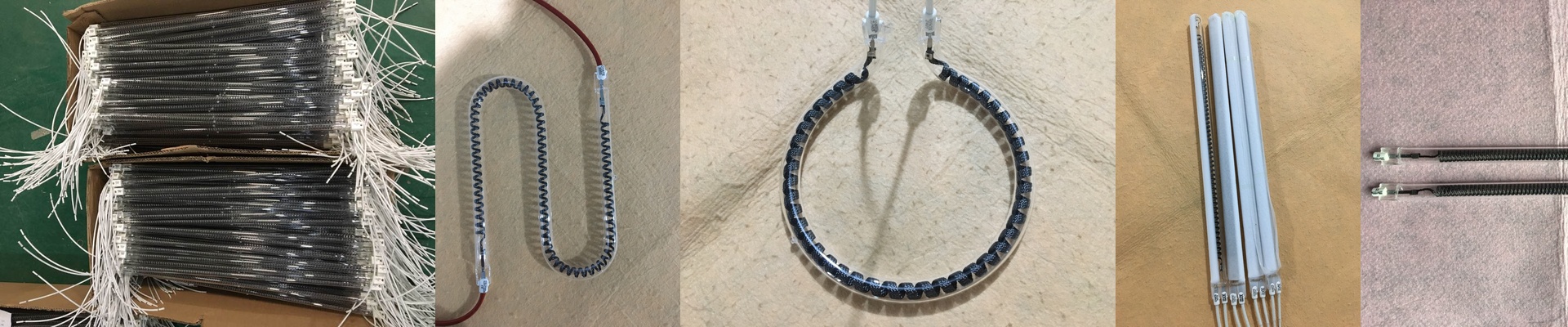
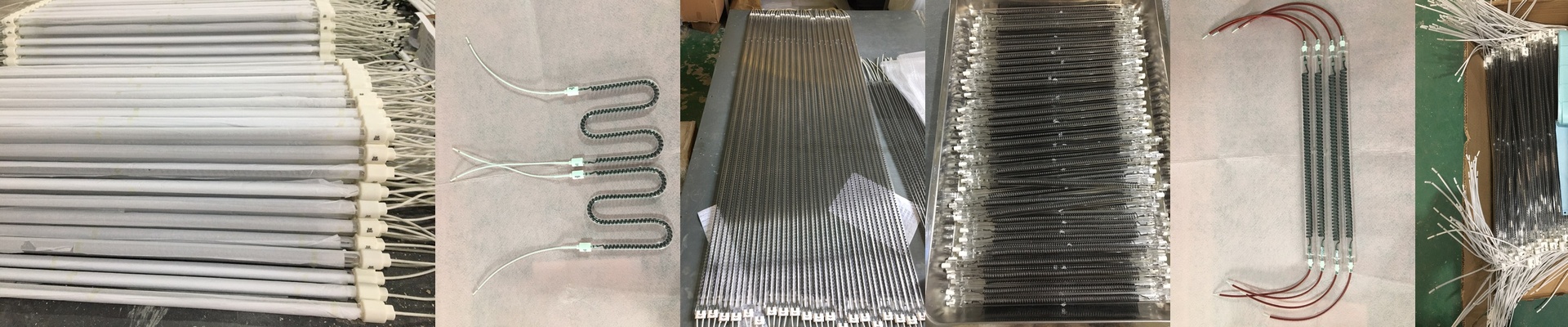
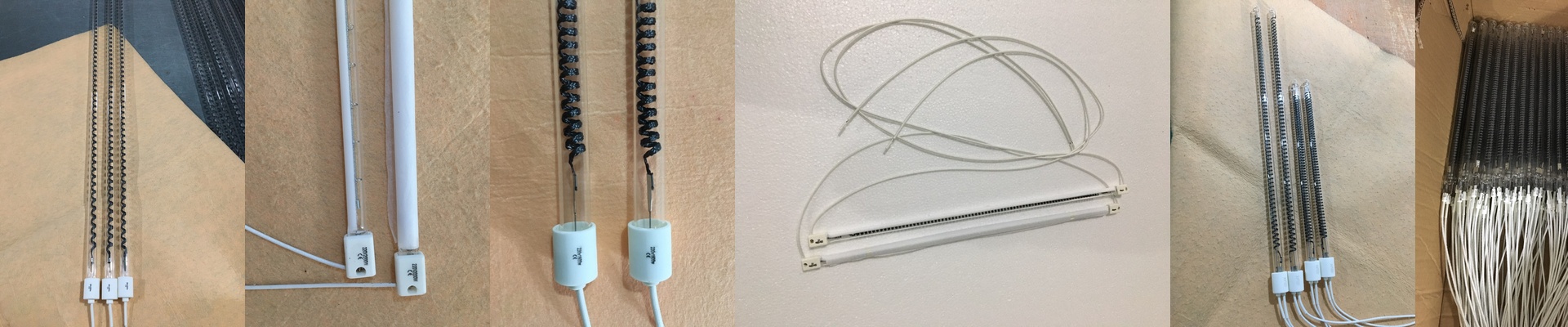
The filament is carbon because it handles rapid temperature swings without immediate fracture, and it produces a broad infrared spectrum that penetrates organic materials and heats surfaces evenly. The quartz envelope is not a cosmetic choice; it is the structural and thermal foundation. Quartz tolerates extreme temperatures, resists thermal shock, and stays transparent in the infrared range, so the energy gets out instead of being absorbed by the tube wall. The coating on the quartz is a functional layer, often a selective reflective or protective coating, applied to shape the emission pattern and protect the tube from contaminants. It helps stabilize output and reduce degradation from ambient fumes and particulates. Then there is the connector. The R7s base is common because it provides a secure, two-point contact that handles high current and high temperature without loosening. It is a proven industrial interface that makes the lamp a drop-in replacement in many machines. If your equipment uses an R7s socket, you can wire it up and run without redesigning the holder.
Application and Benefits: Where This Configuration Earns Its Keep
This lamp configuration is built for processes that need rapid, localized heating with minimal inertia. Think plastic processing, coating curing, and material drying where the part moves quickly through a heating zone. The carbon filament reaches operating temperature fast, so the machine does not wait for the heat to ramp up. The quartz envelope keeps the heat where it belongs—on the target—and the R7s base keeps the installation straightforward. You get high heat density in a small footprint, which simplifies integration into tight spaces. The trade-off is real: high heat density demands proper cooling and shielding. If the surrounding components cannot shed heat, the lamp and nearby parts will run hotter than designed. Plan for adequate airflow, reflectors, and thermal isolation, or the lamp will take a beating and shorten its service life. We design these lamps to be workhorses, not showpieces. They deliver predictable output, install with standard hardware, and hold up under repeated thermal cycling. When you need infrared heat that you can count on, the carbon quartz lamp is the straightforward engineering solution.