The carbon Halogen Heating Tube: Power, Materials, and What It Actually Does on the Floor
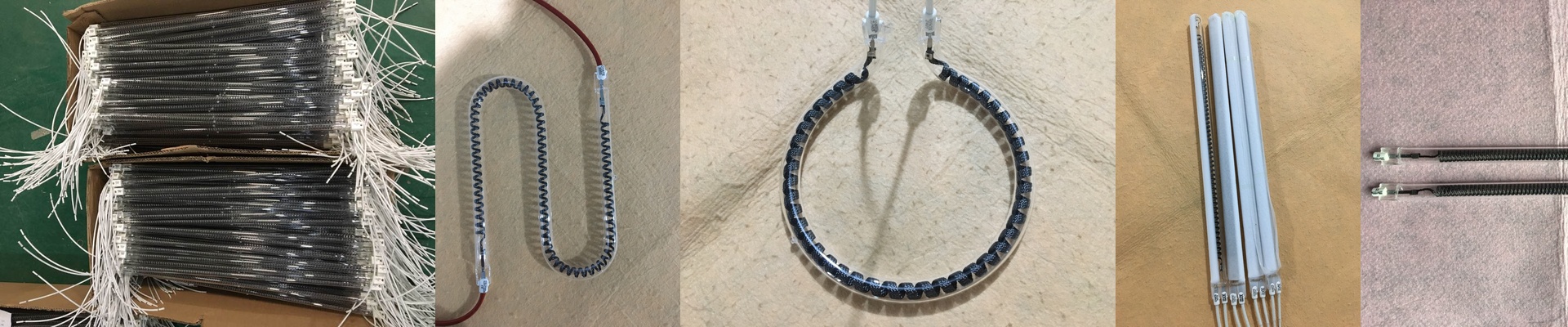
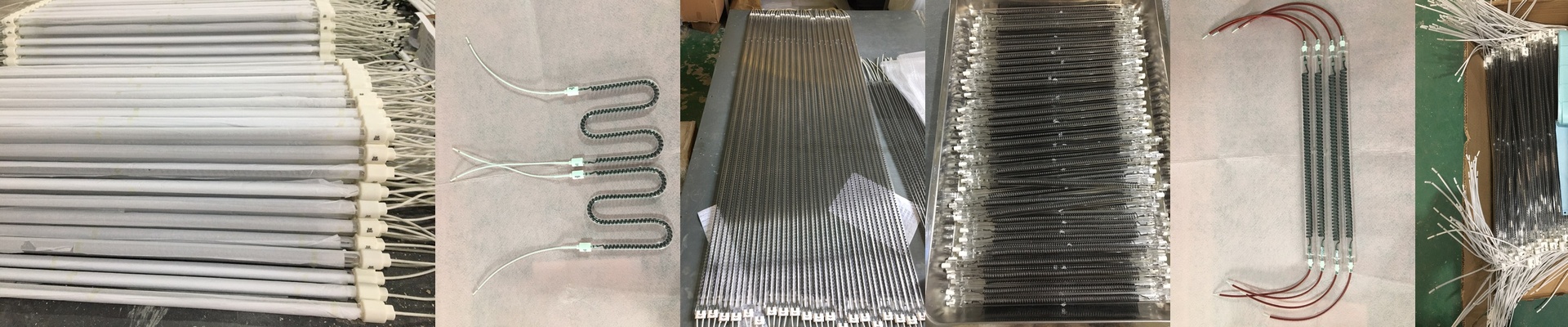
We built this carbon heating tube to be a straight-up, drop-in replacement for industrial machines that can’t afford weak links. It’s the kind of heat source that just gets on with the job—steady, focused, and ready to hit the numbers you need. If your process demands a fast thermal response and repeatable temperature control, this tube is built for that pressure. No drama. Just dependable infrared energy, delivered consistently.
Power, Voltage, and Size: The Details That Matter
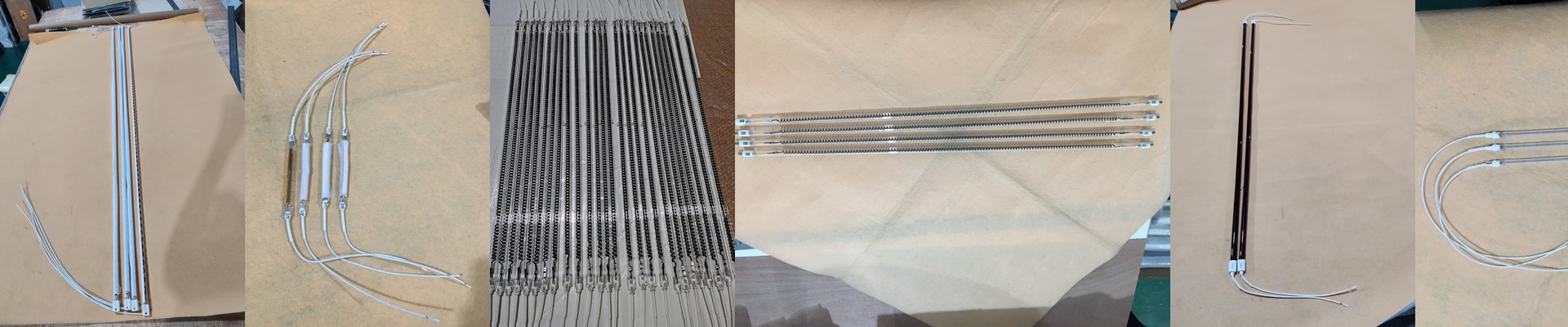
Let’s cut to the specs—because on the shop floor, the numbers are the story. We match wattage and voltage to what the machine is actually asking for. The 400V input is a real practical win: it makes longer cable runs cleaner, because you get lower current and less voltage drop. That means less wasted heat in the wiring and fewer headaches. At 2500W, you get the heat flux needed for fast-cycle work. And with a 300mm length, the output is concentrated where you need it—tight, focused, and predictable. No need to redesign the whole assembly around the heat source.
What’s Inside: Halogen, Quartz, Coating, and the Connector That Saves Time
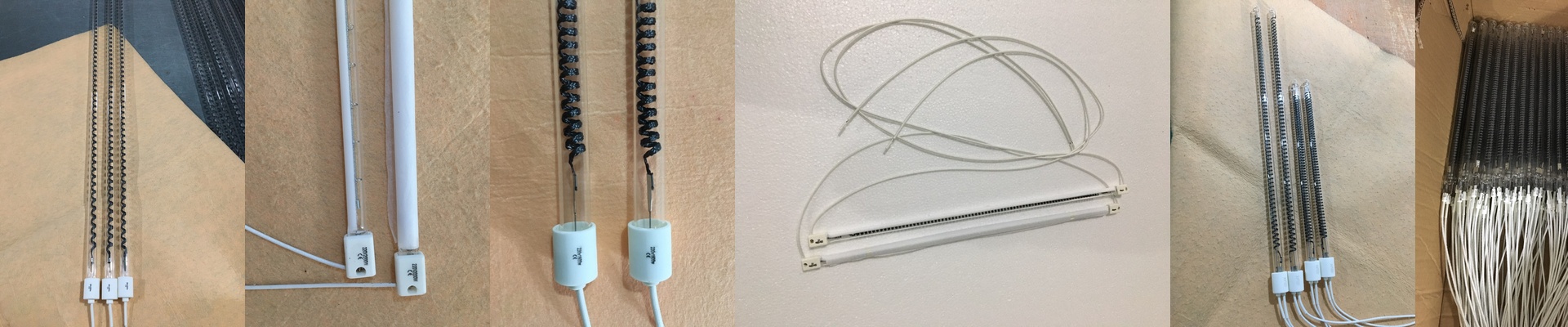
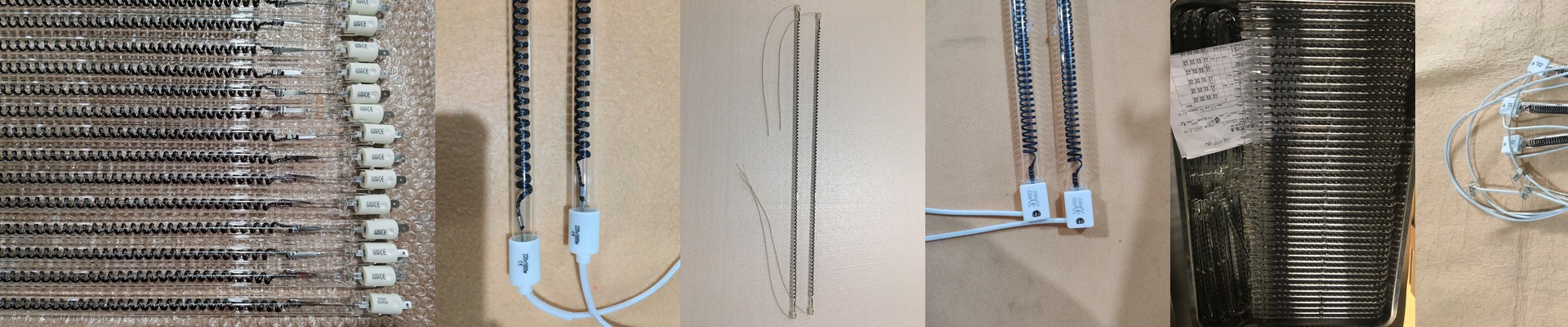
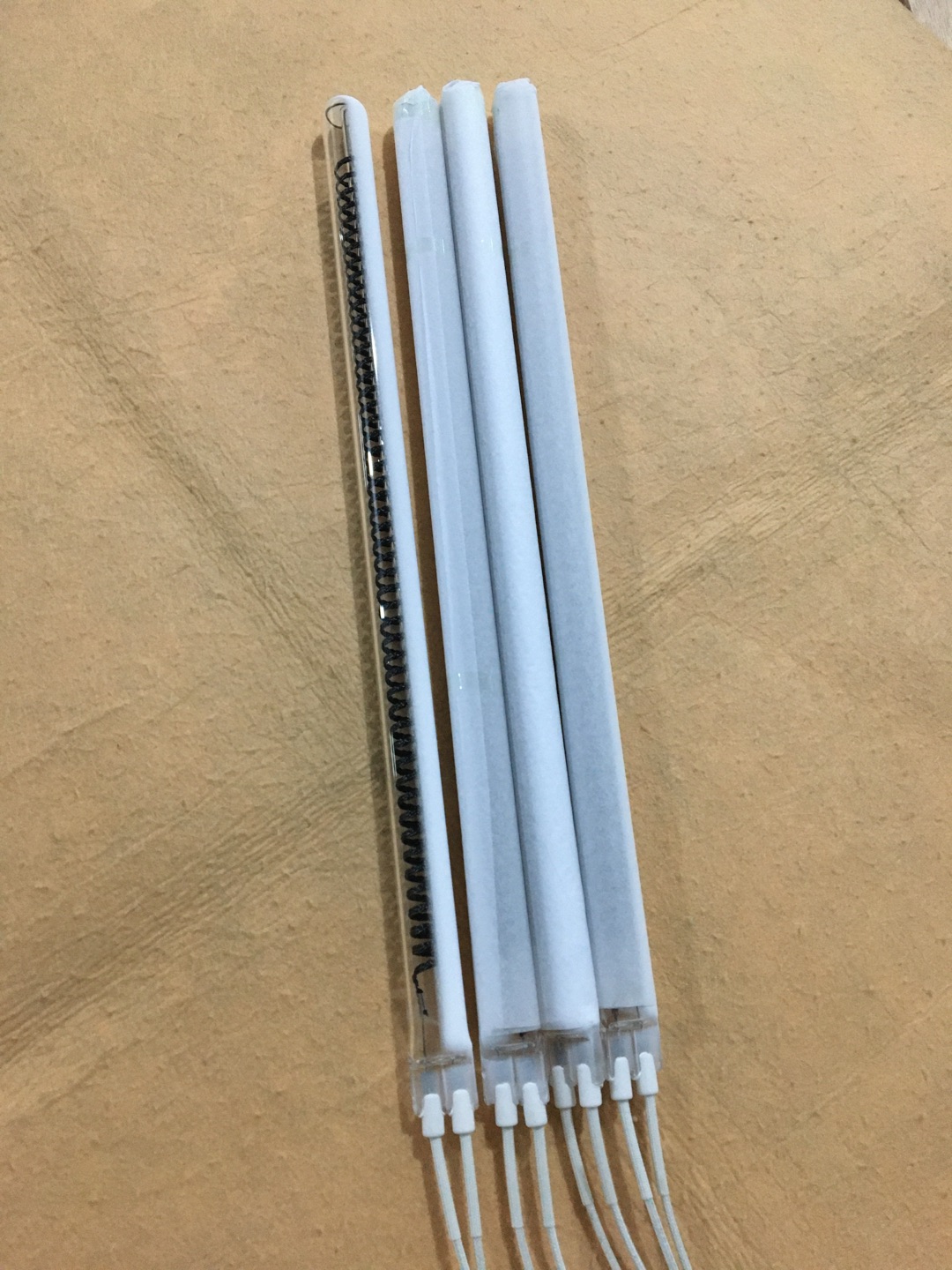
Here’s the part that makes the magic happen. We fill the tube with halogen gas to keep the carbon filament stable at high temperatures. That’s what helps prevent premature burnout and keeps performance consistent over time. The envelope is quartz, chosen because it handles thermal shock well and transmits infrared strongly. In other words, it stays steady when the heat spikes. Then there’s the reflective coating. It pushes energy forward onto the target, so you get better heat coupling—and it helps shield nearby parts from stray heat. And the R7s two-pin connector? We picked it because it’s proven. It holds alignment, makes wiring straightforward, and keeps the lamp seated even when there’s vibration. Replacements are quick—often tool-free—so you’re back up faster.
Where It Shines—And the Trade-offs You Should Know
This tube is at home where space is tight and cycle time is non-negotiable—think PET blowing and other thermoforming steps. It heats fast. It holds temperature repeatably. And it drops right into standard holders, which makes life easier. But here’s the honest part: that concentrated power comes with real heat density. With 2500W packed into a 300mm length, the surrounding frame and wiring will feel more heat. So you need to plan for proper cooling and heat shielding. When the machine is set up for it, this tube delivers consistent performance with minimal downtime—and that’s the kind of reliability that shows up on the production board every shift.