Why OEM-Grade Infrared Heaters Are the Key to Higher Margins in Electronics Assembly
Ever walk the floor and just shake your head at the old heating systems? The ones that drain power and break down at the worst times. Here’s the thing: when you switch to an OEM-grade infrared heating lamp, you aren’t just swapping out a bulb. You’re bringing in a real production tool—one built for repeatability, uptime, and lower operating costs. It’s the kind of upgrade that quietly boosts your bottom line, year after year.
Technical Deep-Dive: Power, Voltage, and Dimensions
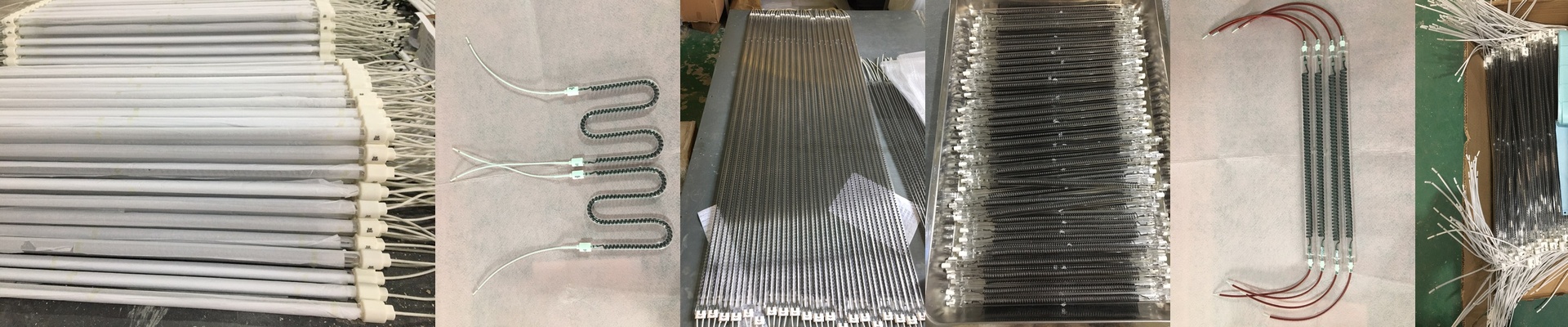
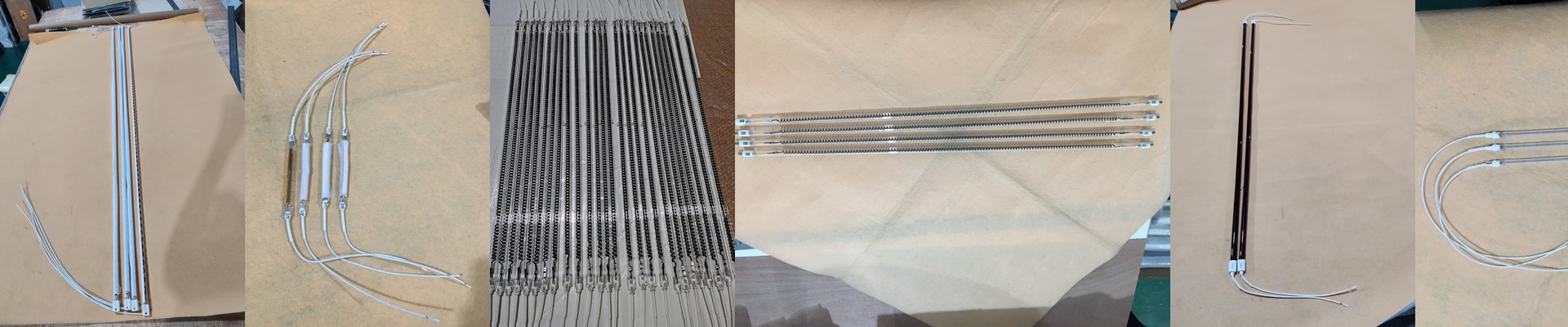
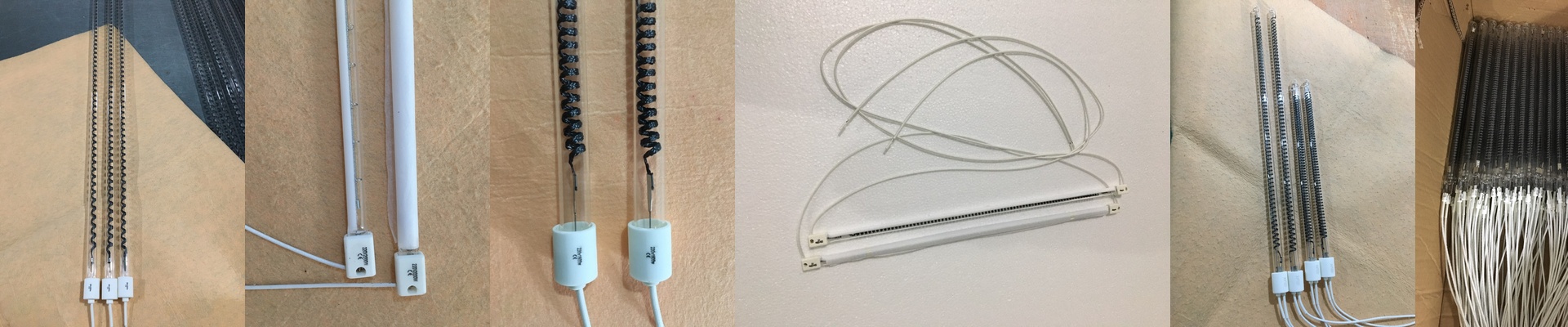
We spec these lamps with a high-density, shortwave infrared profile. A typical setup runs on 400V, packing serious power into a small footprint. And the 300mm tube length? That’s chosen to fit standard equipment cutouts, so the upgrade is a straight swap. High wattage density means the temperature ramps up fast. That cuts cycle time on soldering, curing, and preheating. But there’s a trade-off. Packing that much heat into a small space means your machine needs to be ready for it. Your cooling and thermal management have to be up to the task. If the cabinet airflow is too small, the lamp will still work—but the control system and nearby parts will run hotter. So plan your thermal budget before you wire anything.
Material and Design: Halogen, Coating, and Connectors
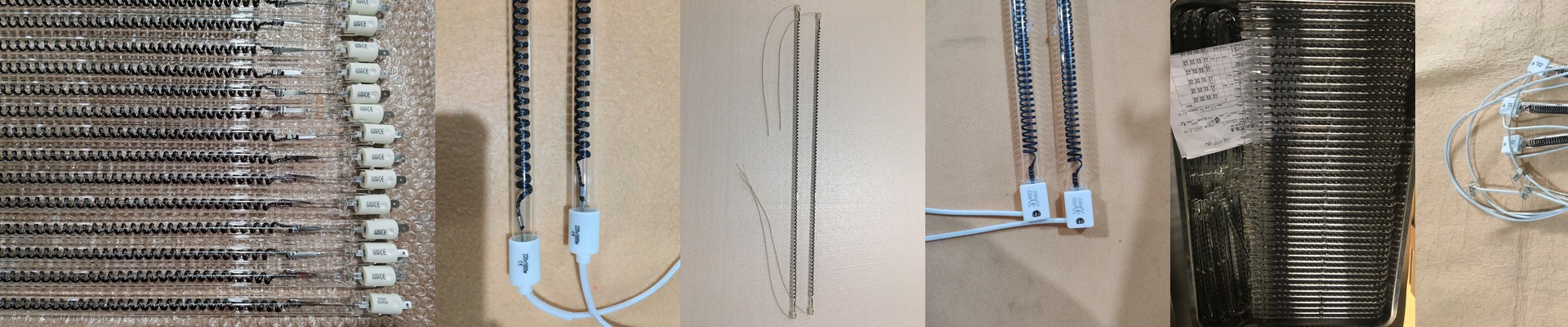
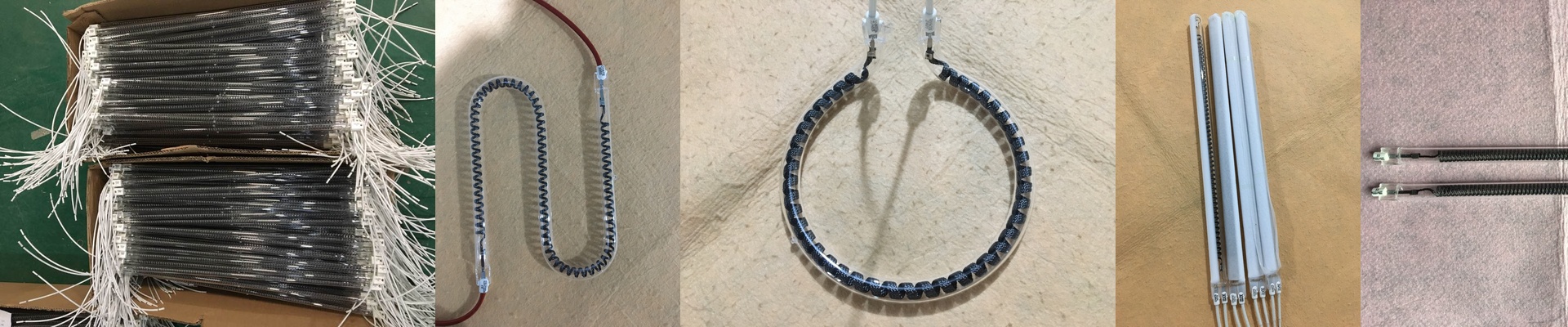
The core is a halogen-filled quartz tube. The halogen chemistry keeps the filament stable, which means more consistent output and a longer life than basic infrared elements. And that reflective coating on the outside? It pushes energy forward, so you waste less heat and get more consistent results across the target. For install, we use an R7s connector. It’s secure, industrial-grade, and handles the current without hot spots. It’s a practical choice that cuts downtime during swap-outs and keeps lamp changes simple—no custom cables, no adapters.
Application and Benefits in Cleanroom Electronics
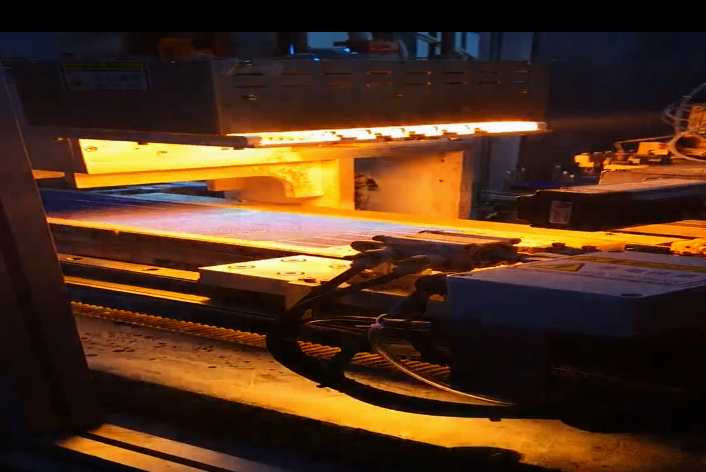
In cleanroom electronics, what matters is uptime, repeatable heat profiles, and keeping contamination risk low. These lamps respond fast, hold stable temperatures, and deliver a clean thermal profile that doesn’t stir up dust. That means fewer scrapped boards, less rework, and energy use you can predict. Upgrade to an OEM-backed, cost-led infrared heater and you’ll cut energy spend, cut down on maintenance calls, and keep throughput steady. The specs are chosen to make it easy: the right length, the right voltage, and a connector that gets you back to work quickly.