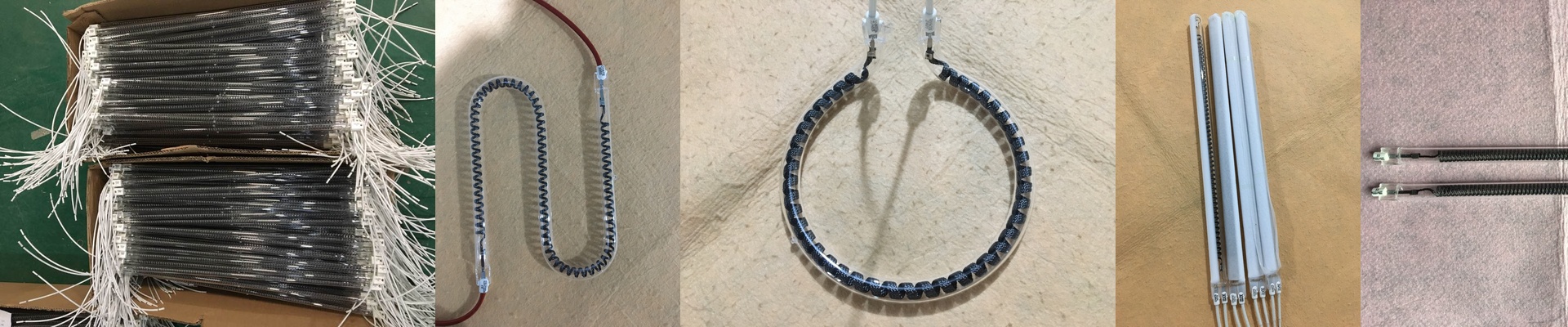
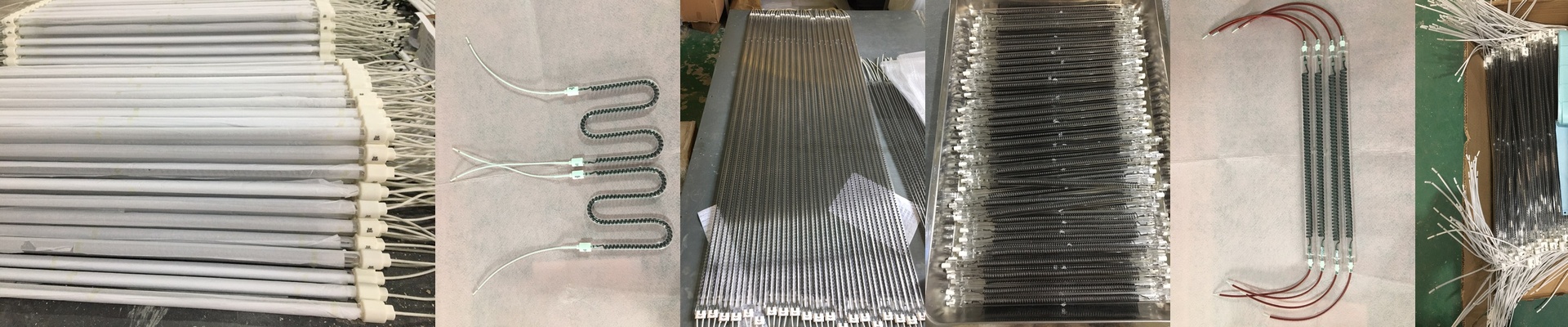
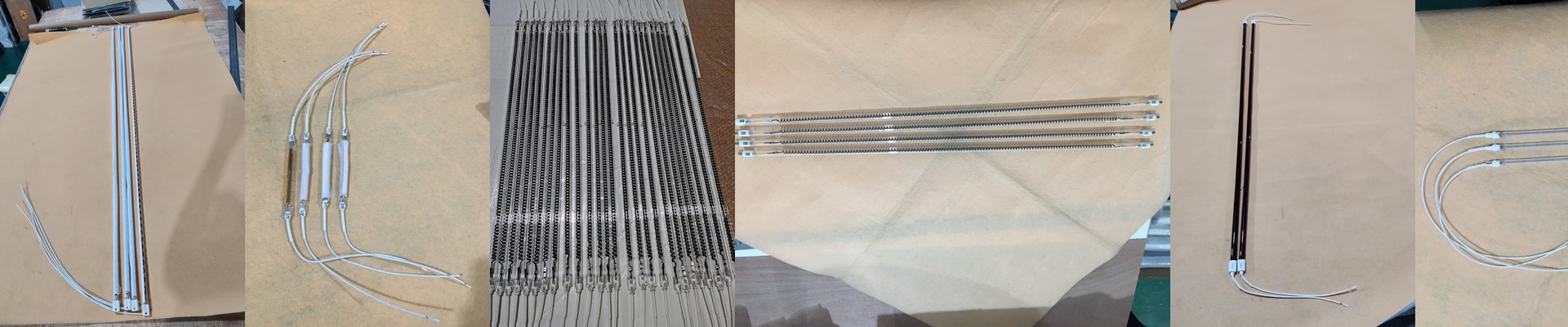
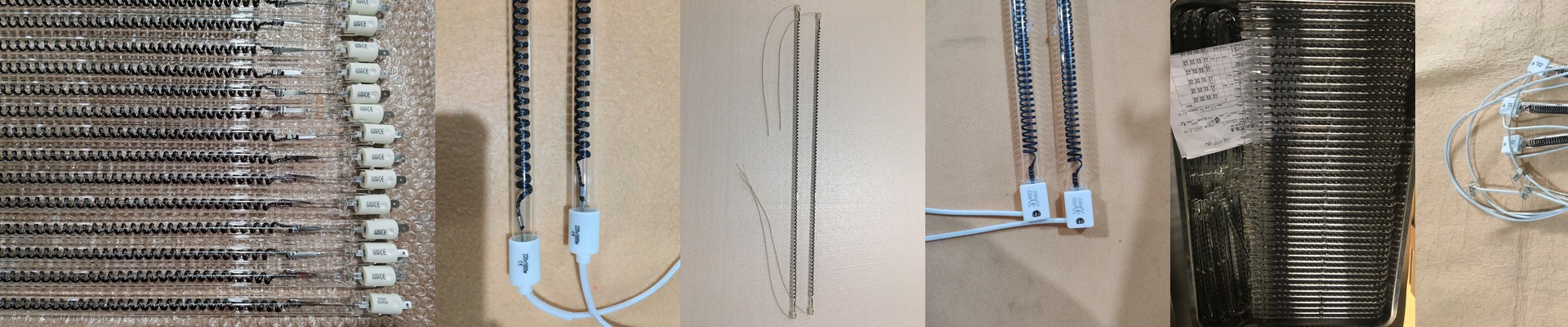
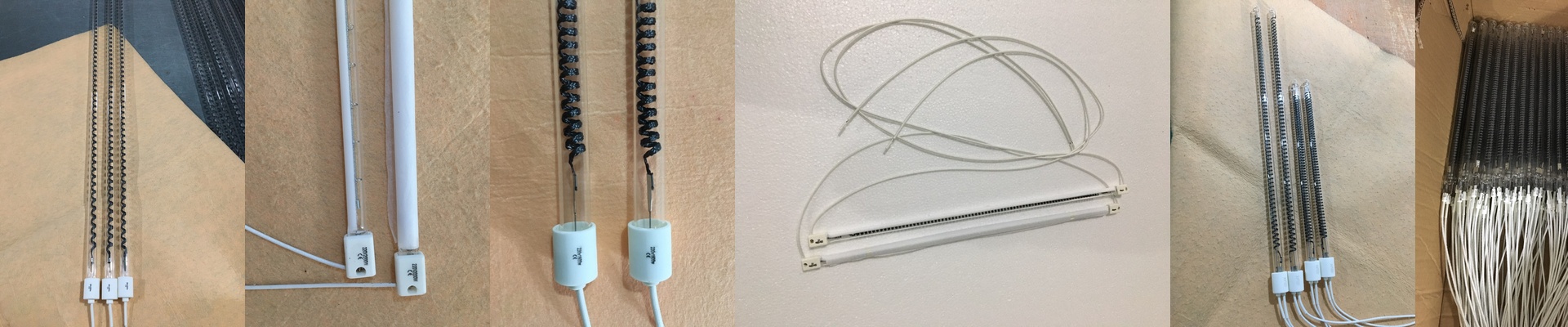
Let’s talk about our White Reflector Carbon Fiber Lamps
We built these lamps with a specific goal: stop wasting heat. By using a white reflector plating, we can basically “corral” that infrared energy and point it exactly where it needs to go. Most people are used to standard quartz tubes, but carbon fiber is a different beast. It runs cooler but still hits the target with high-intensity medium-to-long wave radiation. The best part? You don’t have to worry nearly as much about scorching your materials when you’re trying to heat things up fast. How the heat actually moves Think of that white plating as a mirror for heat. Instead of letting energy bleed into your machine’s chassis—which is just a waste—it pushes everything back toward the workpiece. You get a much tighter heat footprint. This means you can get your target surface up to temperature without having to crank the wattage through the roof. Then there’s the filament itself. Carbon fiber handles the “stretch and shrink” of heating and cooling way better than tungsten does. They don’t snap nearly as often. If you’re running an automated line where the power is clicking on and off all day, these are built to take that beating. A few things to keep in mind Wiring these into your industrial controllers is a breeze. But, a word of warning: that white coating isn’t magic. If you let oil mist or dust build up on the reflector, things start to go sideways. The heat won’t bounce the way it should, and you’ll start seeing annoying cold spots on your parts. Keep them clean. It’s a simple chore, but it makes a huge difference. One last thing—since these lamps are so good at concentrating heat, be careful with your housing. The back of the lamp stays pretty chill, but the focal point isintense. If your mounting brackets are too close to that sweet spot, they’ll warp. Stick with high-temp alloys for your supports so you aren’t dealing with a mechanical meltdown.