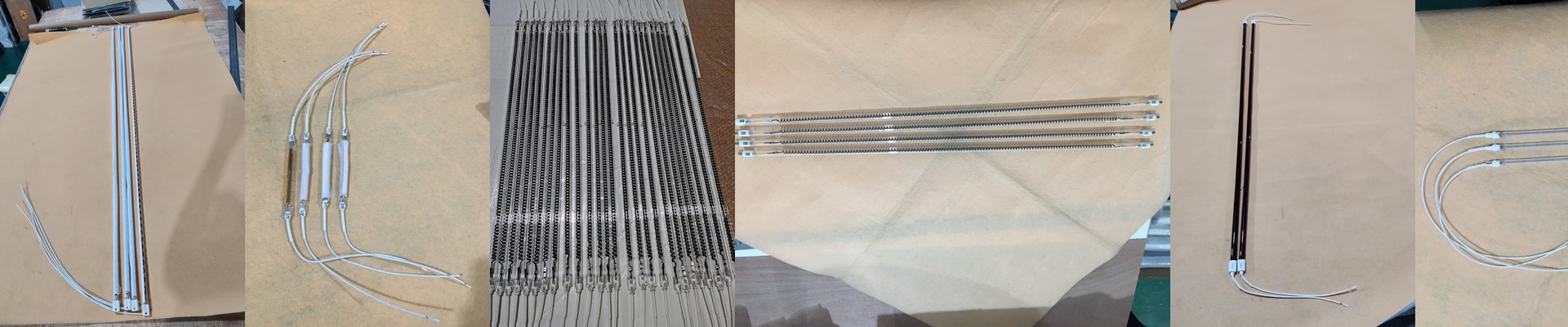
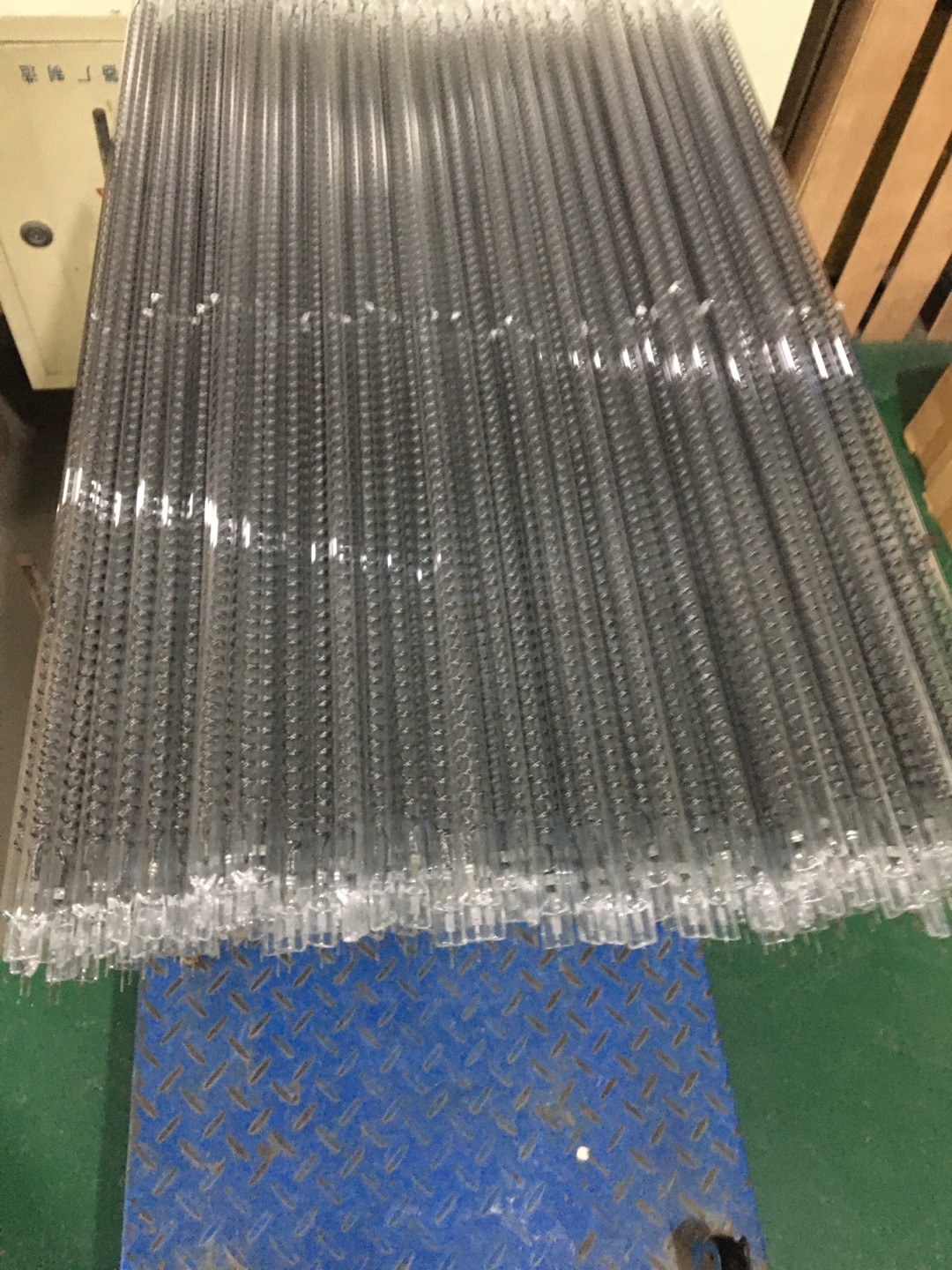
Carbon Fiber Halogen Heat Tubes: The Heat You Need, Where You Need It
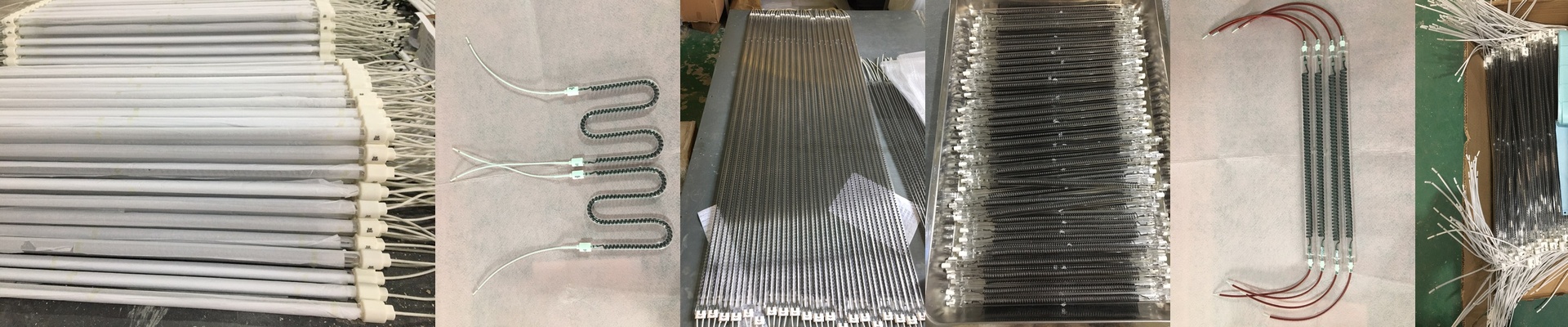
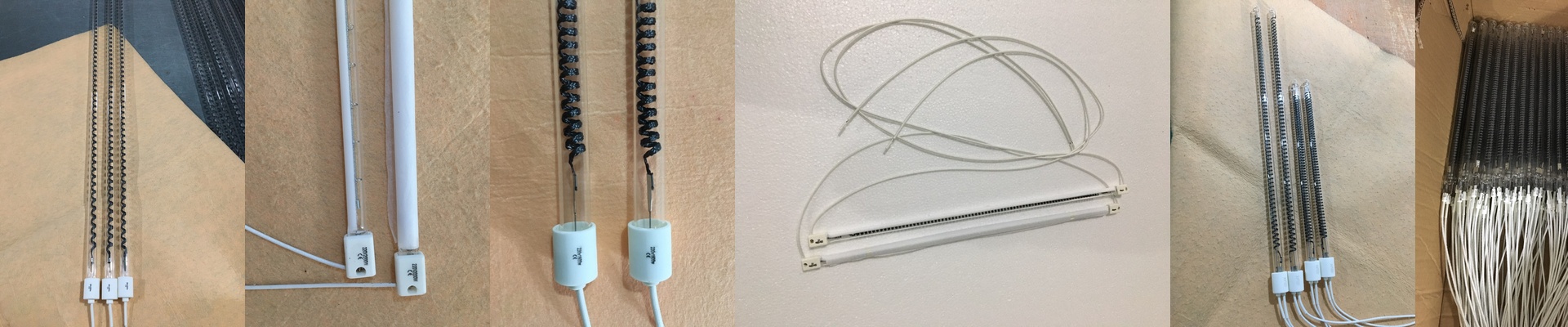
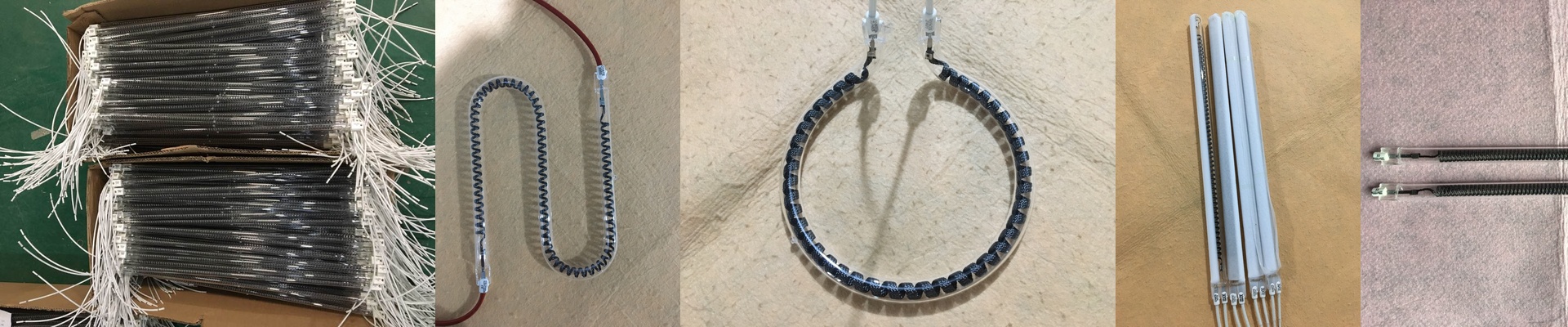
Picture this: you’ve got an industrial heating job that’s tight on space, but you absolutely can’t compromise on power. That’s exactly where this carbon fiber heat tube comes in. We built it for the tough spots—the kind of places where you need intense, focused heat, right now. It’s a halogen infrared heater, built around a quartz envelope and a carbon fiber filament. The whole point? Delivering a blast of heat that’s fast, precise, and ready for whatever demanding process you’re running.
Power, Voltage, and the Nitty-Gritty
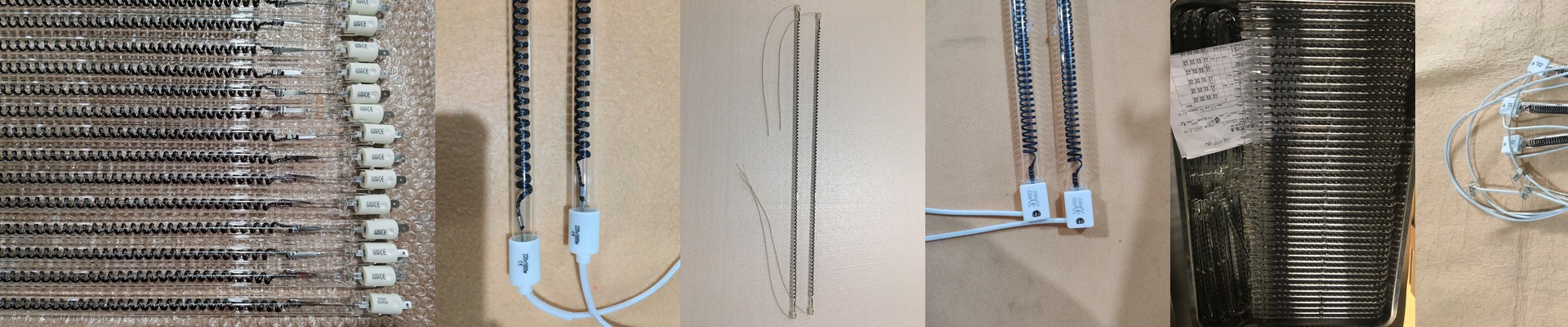
Let’s get down to the numbers. This tube is rated for 2500W at 400V. What that means for you is serious heat density packed into a small footprint. And the size? It’s 300mm long and just 10mm in diameter. That’s the beauty of it. You can squeeze a ton of heating power into a cramped spot without having to redesign your entire machine. The 300mm length makes mounting and spacing a breeze, while the slim 10mm profile keeps things light and easy to shield. You get consistent heat across a specific area, which is exactly what you need when you’re trying to keep part temperatures steady.
What’s Inside, and Why It Matters
Inside the quartz tube, you’ve got the carbon fiber filament, bathed in a halogen gas fill. That halogen cycle does a crucial job—it keeps the filament stable even at scorching temperatures, so its performance stays strong over time. The quartz body isn’t just for show. It’s there for serious thermal shock resistance, which means you can power this thing on and off rapidly without worrying about it cracking. And the connector? It’s an R7s. That end-to-end contact design makes wiring simpler and gives you better mechanical stability inside the reflector. Installation is a straight-up drop-in for standard R7s sockets, which means less downtime on the line.
Real-World Power and a Few Things to Plan For
This setup is for the jobs that need fast, localized heating. Think PET blowing, plastic thermoforming, packaging sealing—anything that demands a quick heat-up and pinpoint control. You get that high power density, which means you hit your target temperature fast. But here’s the thing: with that kind of power, your machine’s cooling and thermal management need to be up to the task. If you’re swapping out an old heater, this tube is a compact upgrade. It delivers strong infrared output in a small package, and the R7s connection makes the install a no-brainer. Just match the voltage, confirm the length, and you’re good to go. One thing to keep in mind: 2500W at 400V runs hot. The surrounding components need to handle the extra warmth. Size your heat shielding and airflow properly, and you’ll get reliable, repeatable performance without any hot spots.