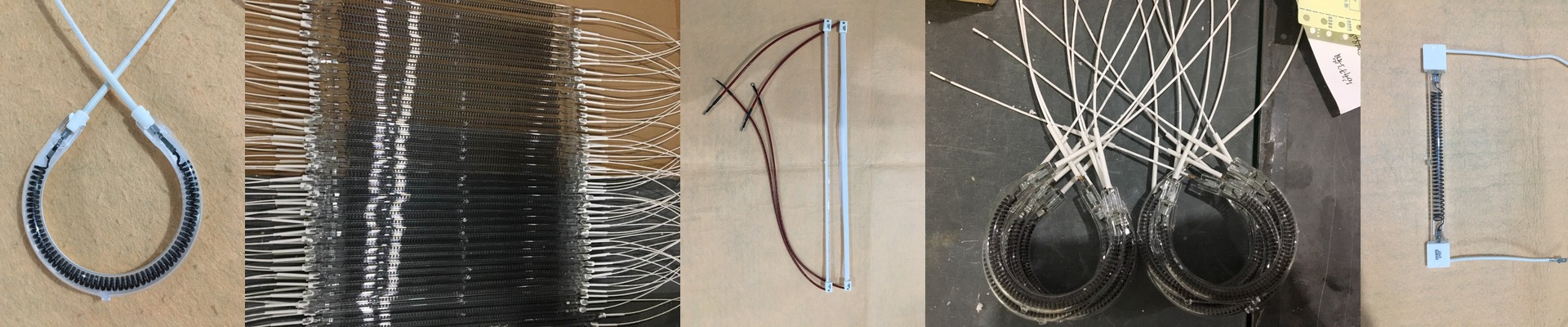
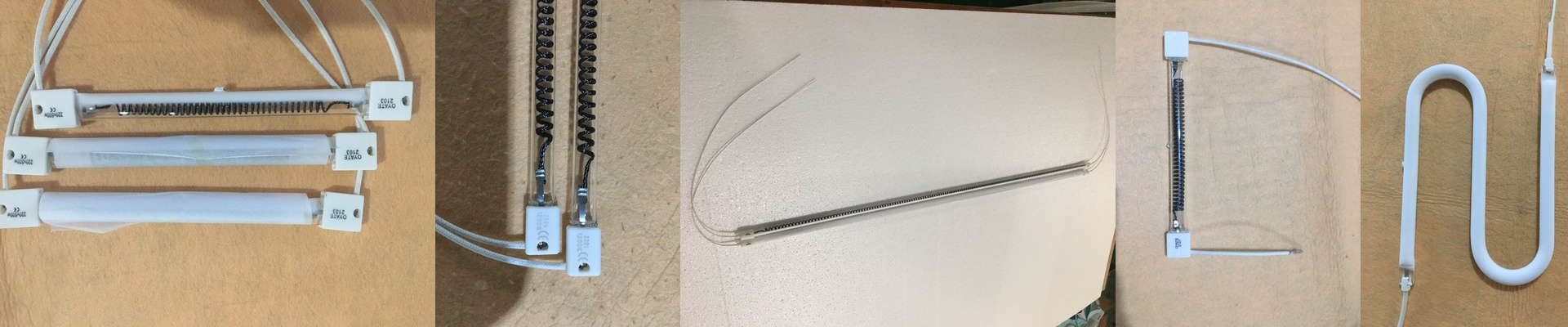
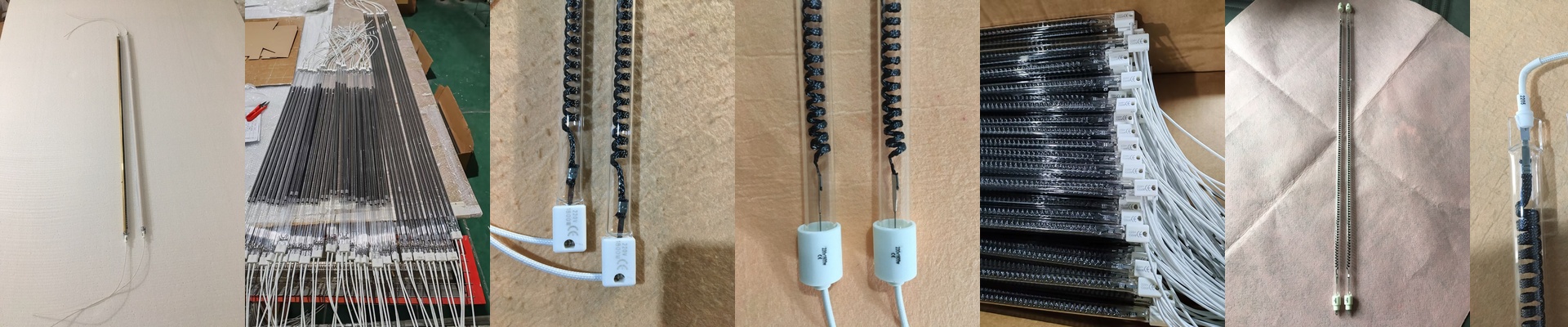
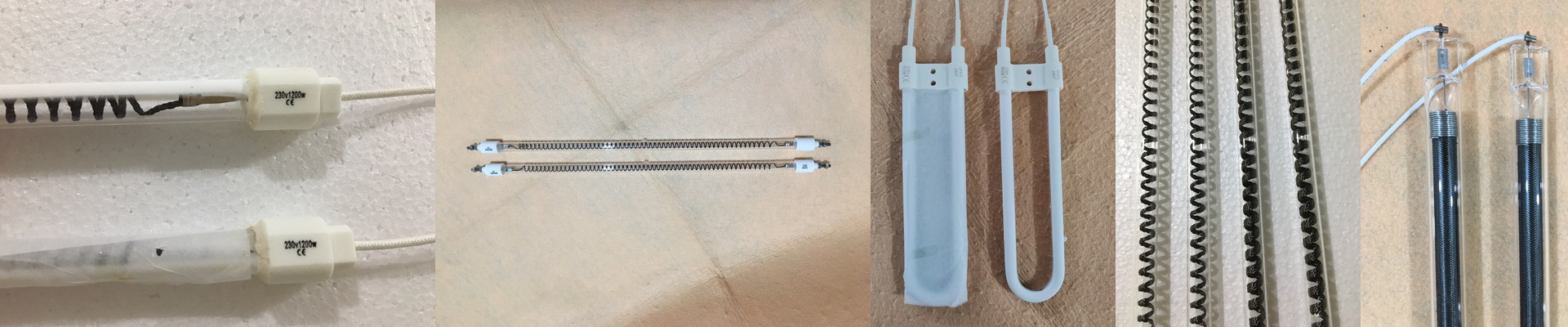
Carbon Fiber Infrared Halogen Elements: Serious Heat, Built for the Grind
Let’s cut to the chase. We built these carbon fiber infrared halogen elements for the kind of industrial heating jobs where you can’t afford to wait around. You need heat, and you need it fast. You need it intense. And it has to hold up, shift after shift, without flinching. This isn’t your run-of-the-mill heater. It’s a focused beam of radiant power, designed to hit the exact spot you need it, and built to survive the constant shock of heating up and cooling down on a 24/7 line.
Power that fits where you need it
Here’s the thing about these elements: they pack a serious punch into a small space. You’re looking at 2500W of output, running off a 400V supply, all wrapped up in a compact 300mm tube. That combo is exactly what you need to get high heat density without taking up a ton of real estate. Perfect for those tight spots inside a machine where space is at a premium. And because it runs at 400V, the current load is lower. That means you can use smaller wiring and keep connection losses to a minimum. But, and this is important, that much power concentrated in one spot means you need to plan for proper cooling and thermal management around the mount. It’s powerful, so you’ve got to treat it with respect.
Built to last, inside and out
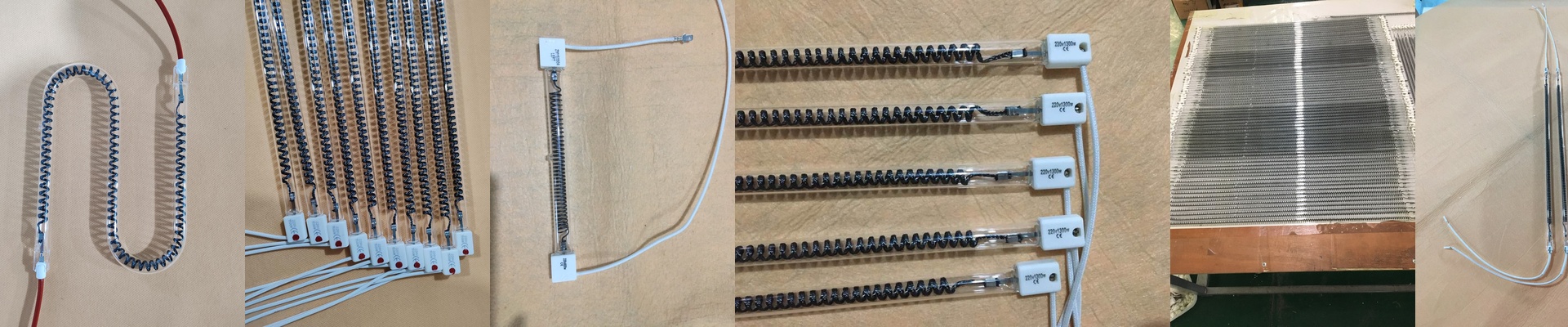
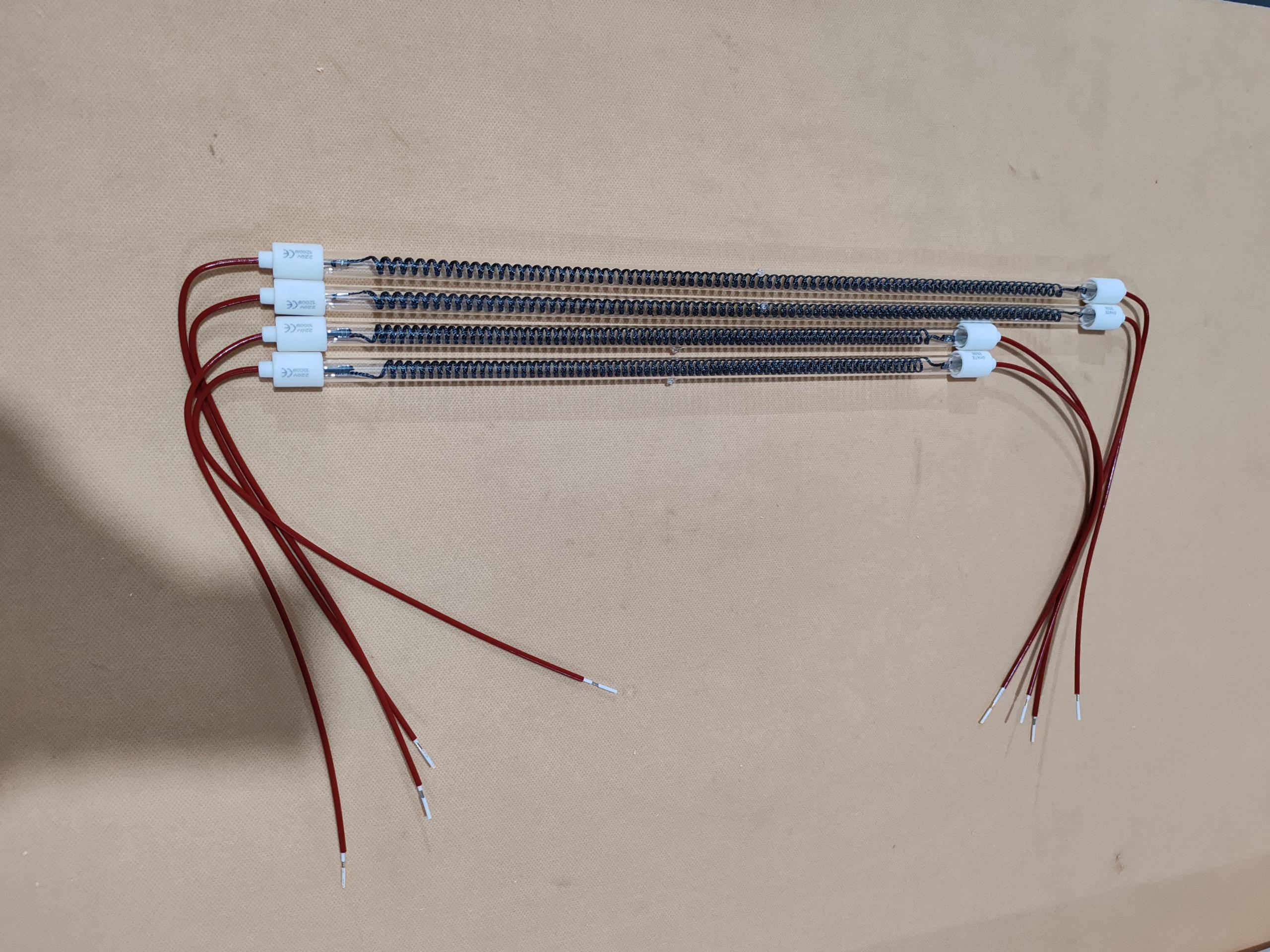
Inside the tough quartz tube, you’ve got a carbon fiber filament. Often, it’s coated to shape the infrared output just right and to help the element hold onto its heat more efficiently. Then, the tube is filled with halogen gas. That gas is key—it protects the filament when it’s screaming hot, keeping it stable and helping the whole thing deliver consistent performance over time. And when it comes to connecting it, the R7s terminal makes the wiring clean and repeatable. It locks in solid, and it’s designed to handle the expansion and contraction of the quartz tube without ever coming loose. It just works.
Where this shines
These elements really earn their keep in processes where you need rapid, controllable radiant heat. Think PET blowing, plastic thermoforming, or coating curing. You get a heat-up that feels almost instant. The control is tight. And the element itself just keeps taking the heat, cycle after cycle, without complaining. Spec it right, wire it up, and you’ve got a workhorse you can count on. No fuss. Just heat, when you need it.