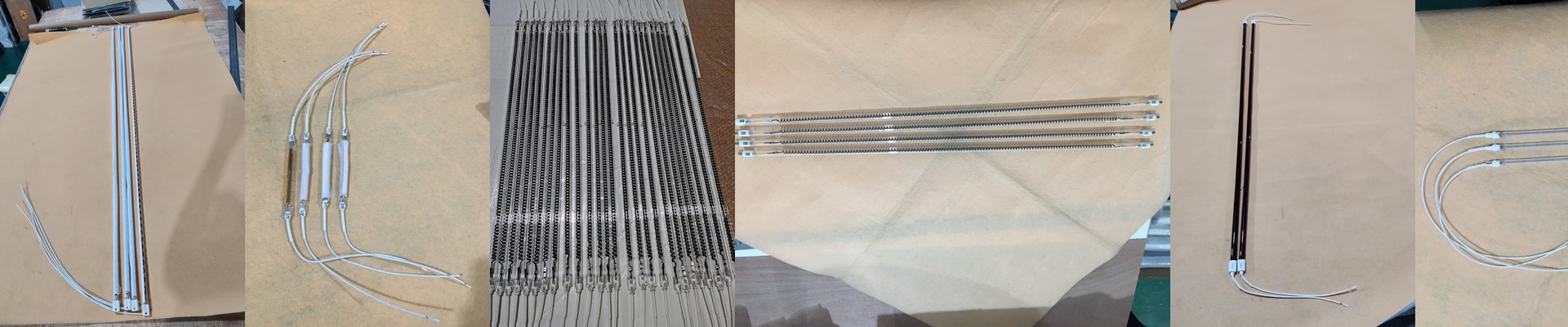
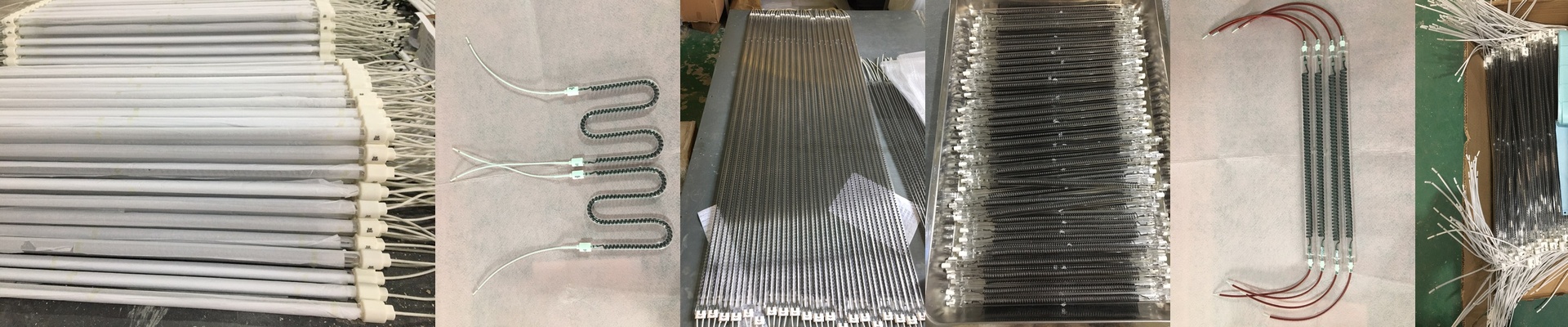
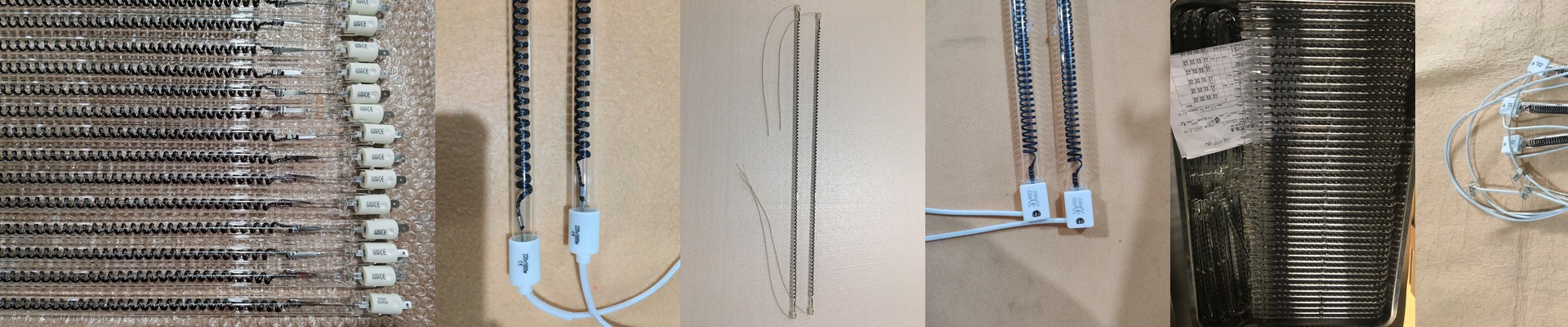
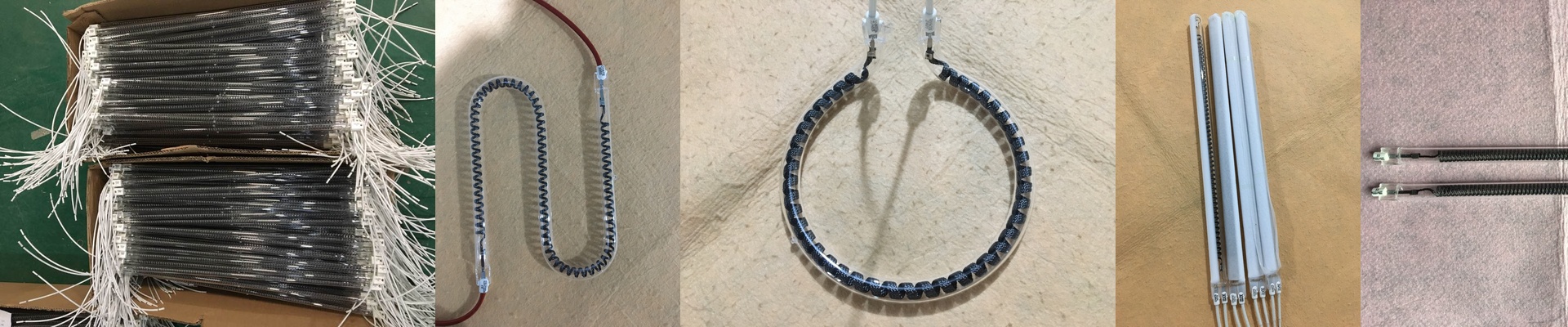
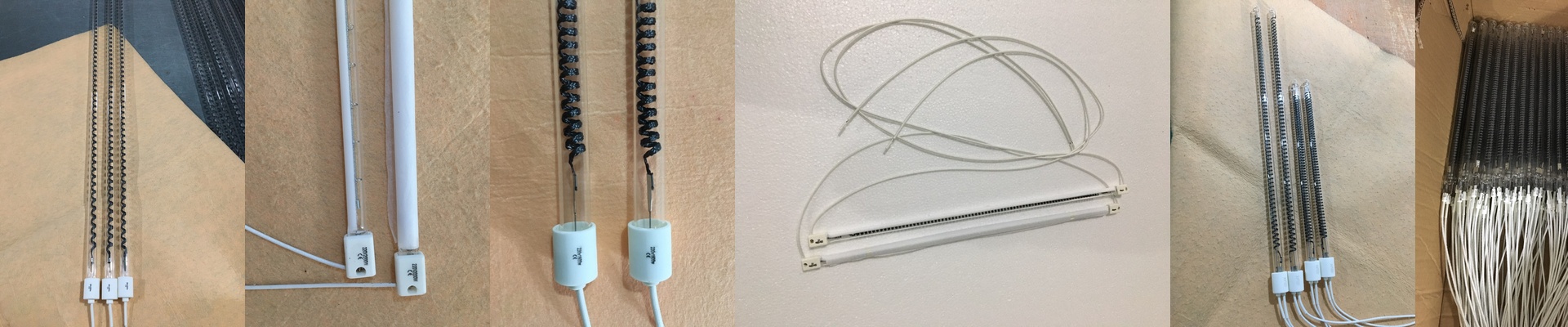
Let’s Talk Carbon Fiber IR Lamps
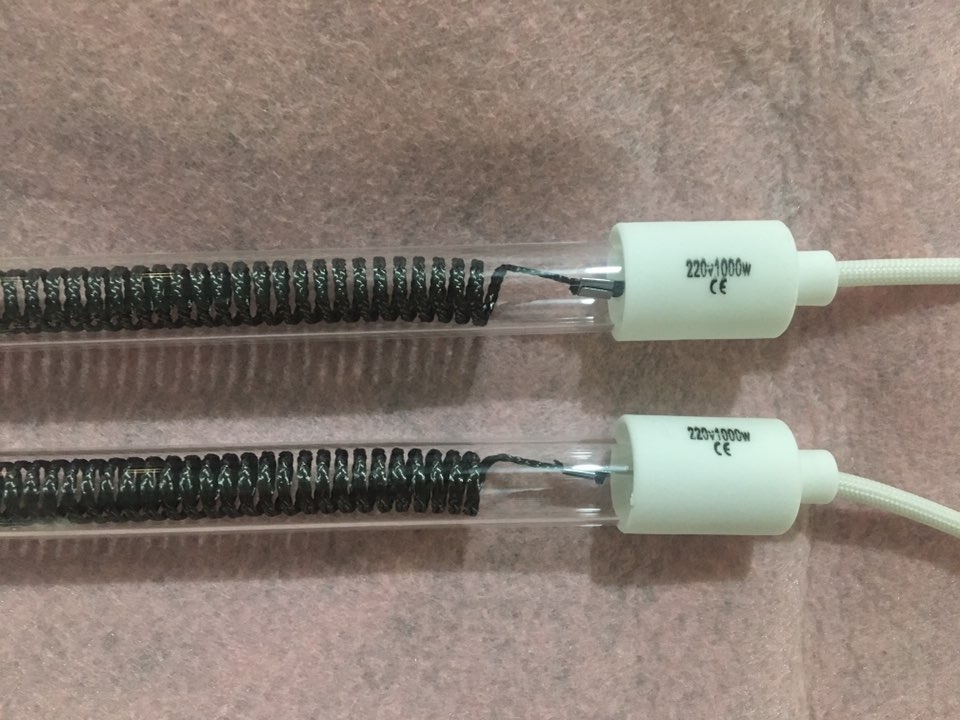
Here is the deal with carbon fiber infrared lamps: they work by running a current through a carbon filament tucked inside a quartz tube. If you’ve used those old metal coil heaters, you know they can be spotty. These are different. The heat spreads evenly across the whole tube, which is exactly what you want when you need a fast, punchy thermal response. Power, Voltage, and the “Burnout” Risk When we’re figuring out the specs, it really comes down to your power grid. We can go with high-voltage setups to pack more wattage into a smaller space. It’s great because you can use fewer lamps to hit your target temperature. But here is the catch. You’ve got to make sure your wiring and transformers can actually handle that draw. And please, don’t skimp on ventilation. If you push a high-wattage tube and the air stays stagnant, you’re just asking for the lamp ends to burn out. The Build: Quartz and Connectors The quartz tube isn’t just for show—it keeps the carbon filament from oxidizing. Sometimes we add special coatings to the glass. This helps the heat sink deeper into things like plastics or heavy coatings rather than just hitting the surface. As for the electrical side, we stick to the basics: R7s or Sk15 connectors. They’re industry standards for a reason. They just work. You can swap a tube during maintenance without having to tear apart your entire heater bank. It’s a quick plug-and-play situation. Real-World Use (and the Trade-offs) You’ll see these all over the place in paint curing or PET bottle blowing. The shortwave radiation hits the target instantly. It’s fast. Really fast. And that shrinks your cycle times significantly. But you can’t have everything. That intense heat density puts a lot of pressure on your cooling system. If the area around the lamp ends gets too hot, the quartz will stress and eventually crack. It’s a trade-off. You’re giving up the slow, gentle soak of a long-wave heater in exchange for raw speed. For most industrial jobs, that’s a trade worth making.