Technical Deep-Dive: The 400mm Carbon Fiber Heating Element
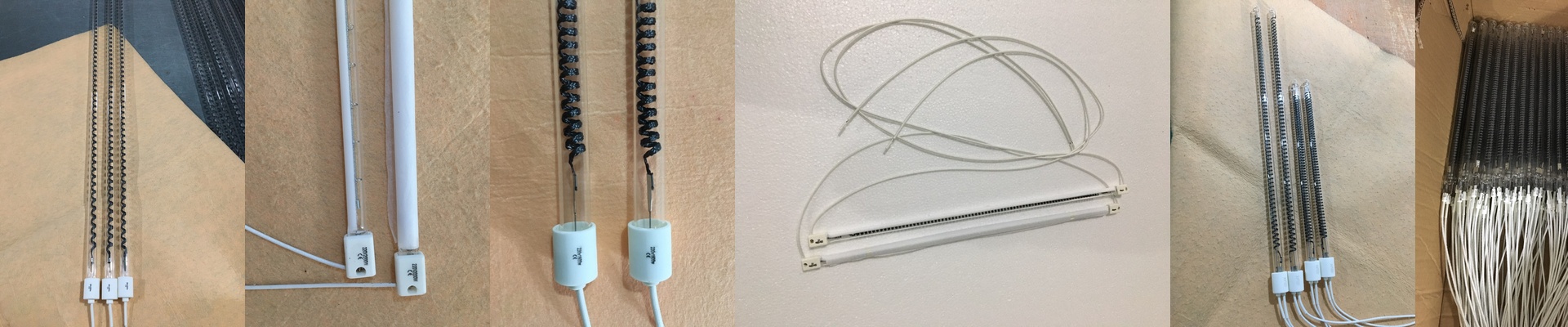
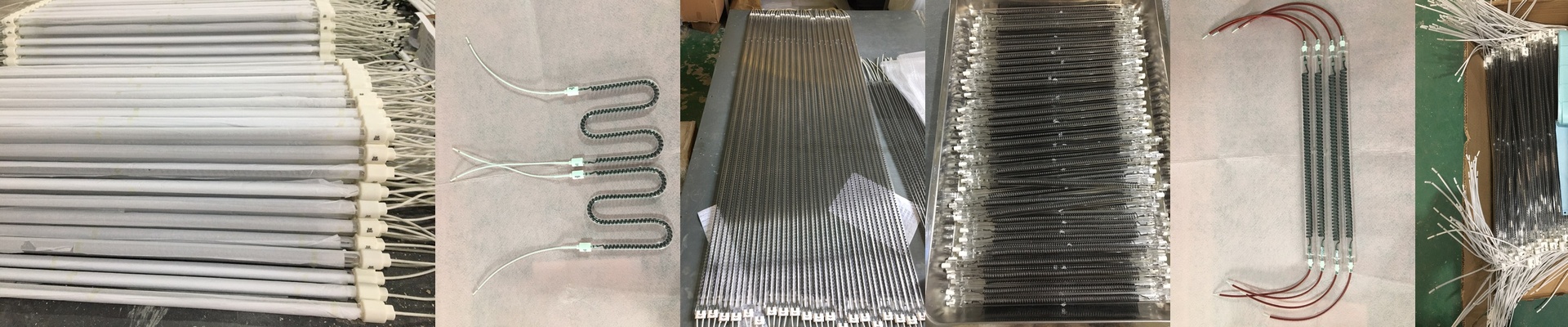
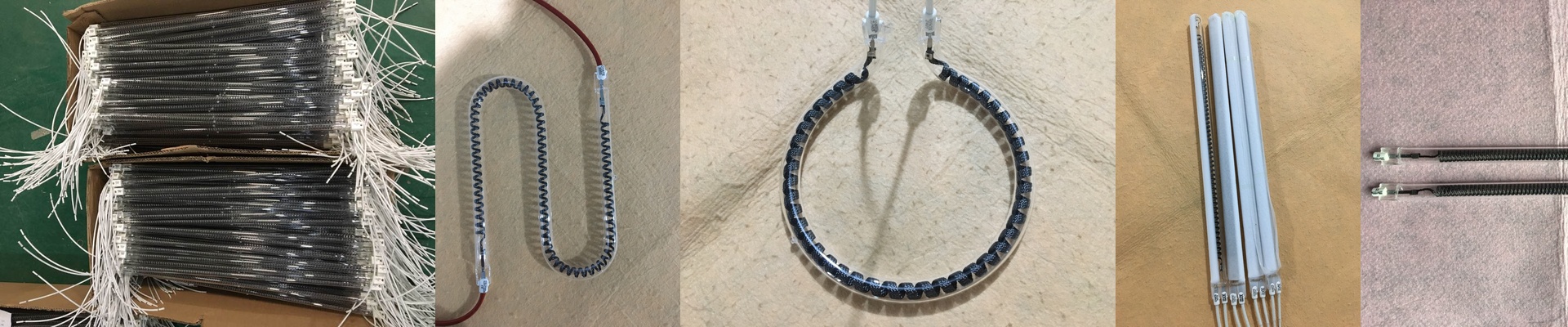
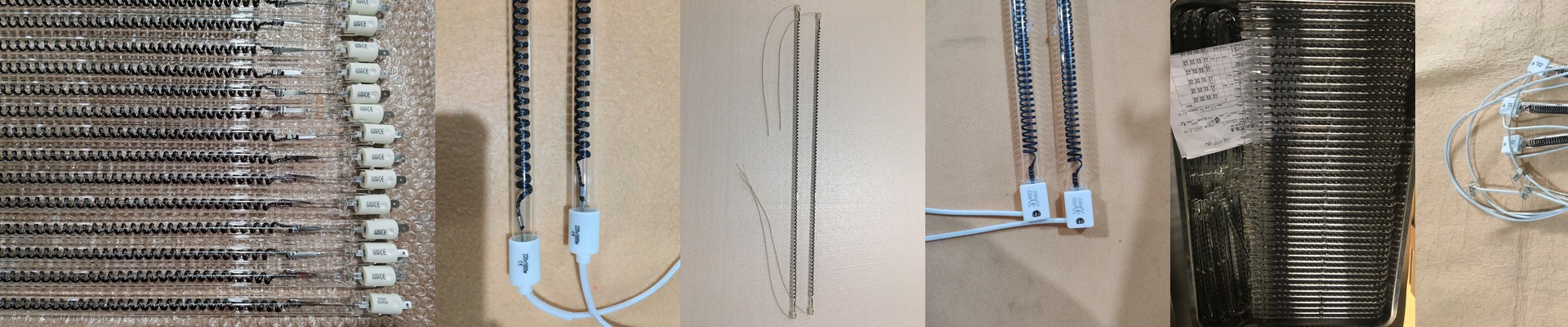
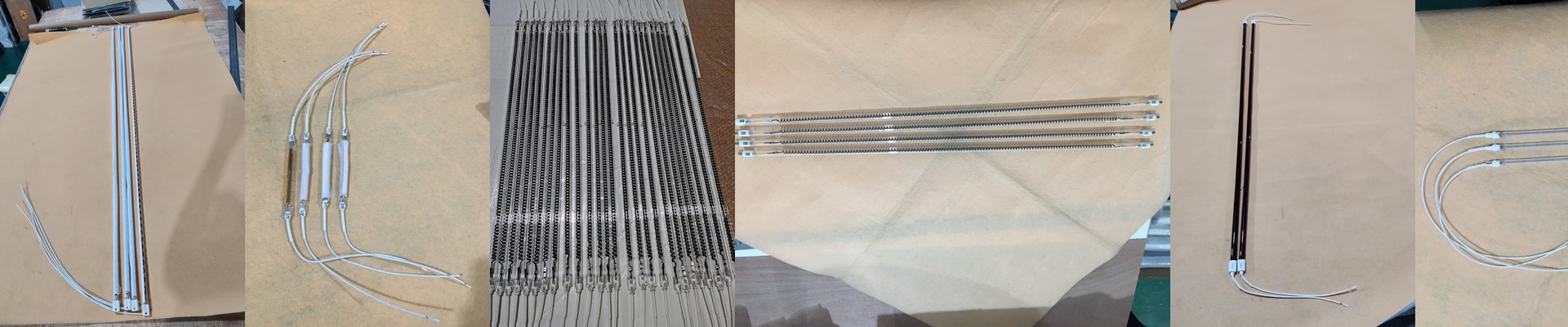
Let’s talk about this 400mm carbon fiber heating tube. We built it as a direct-resistance element—not some bulky, jacketed heater. The carbon fiber core packs serious power into a small footprint. That specific length gives you a clean, consistent heat zone, with no wasted space. It runs on low voltage, usually 12-24V, which keeps the wiring on your shop floor simple and safe. And it gets hot fast. Seriously fast. We’re talking under 30 seconds to hit the target temperature. That means less idle time for your machine, and more time actually getting things done.
Material & Design: Why Carbon Fiber, Not Metal
Here’s the thing about carbon fiber: it handles thermal shock way better than a standard metal sheath. It can go from hot to cold, over and over, without cracking. This isn’t a delicate lab-only component. It’s built for the real world, for hard, daily use. Plus, its resistance stays stable, shift after shift, so the output is always steady. And because the fiber structure resists oxidation at high temps, you get a longer service life. It’s a workhorse, but like any high-heat part, it will eventually need replacing. That’s just the nature of the beast.
Application & Benefits: Where This Tube Earns Its Keep
This 400mm tube shines when you need fast, focused heat in a tight spot. Think plastic sealing, thermoforming, laminating, or packaging seal bars. It spreads the heat evenly across its length, so you don’t get those annoying hot spots that ruin your product. It’s also lightweight and slim, so it’s easy to mount or re-route. In many cases, it’s a simple drop-in replacement. But, and this is important, that high heat density means you need to give it proper clearance and airflow. You want to make sure the parts around it don’t get cooked.