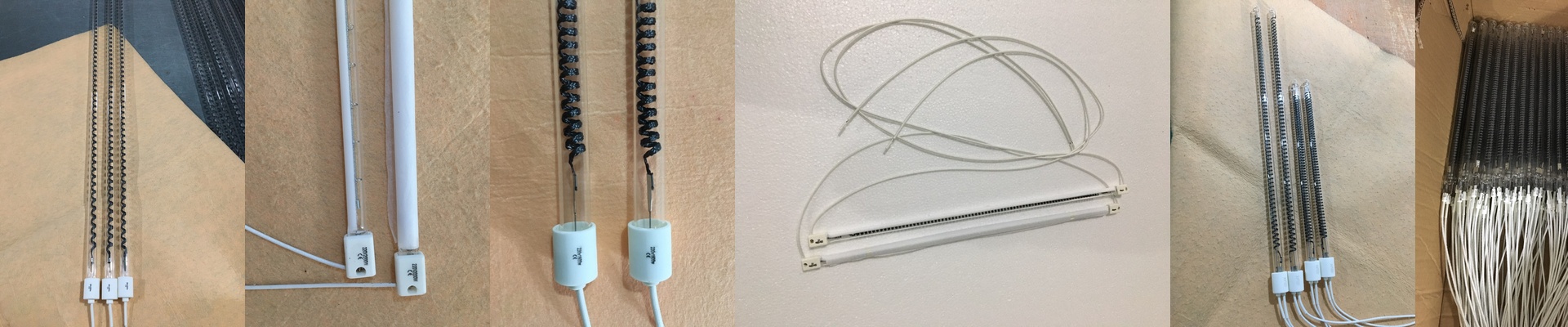
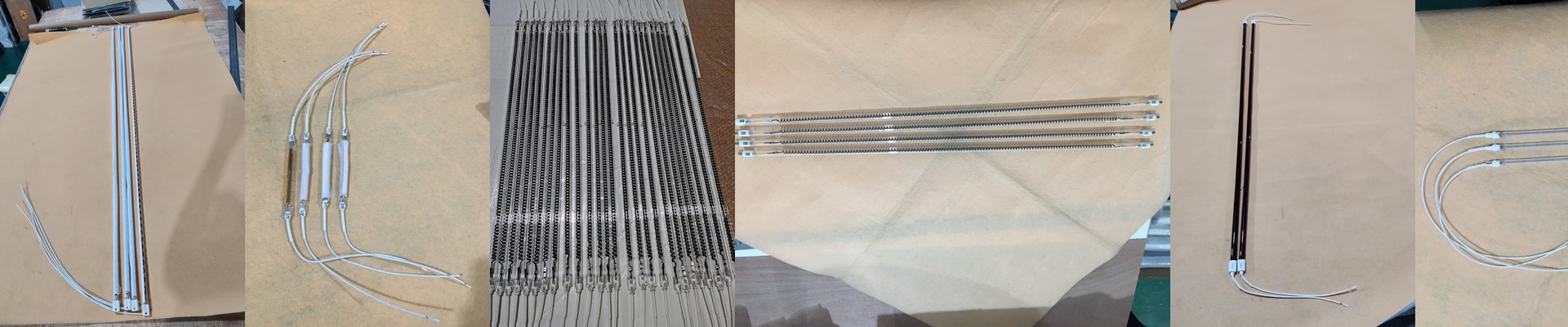
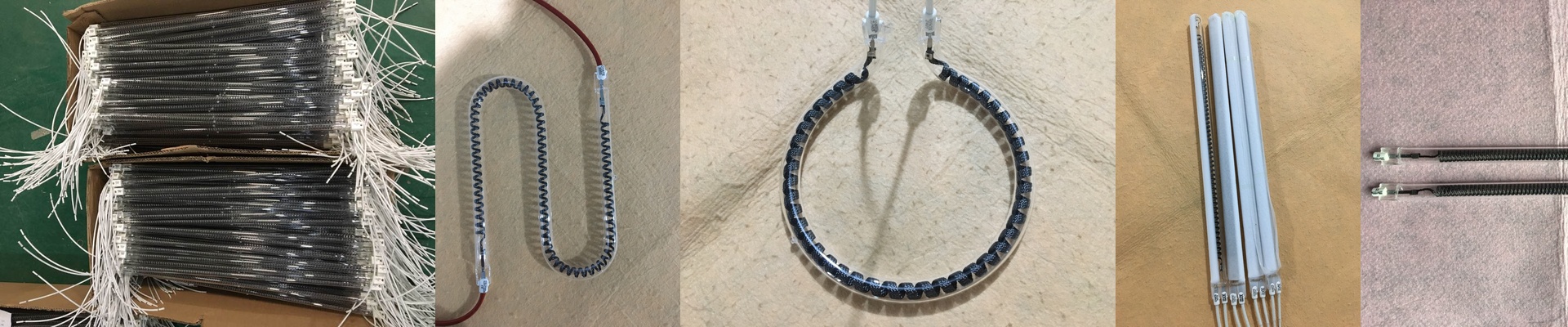
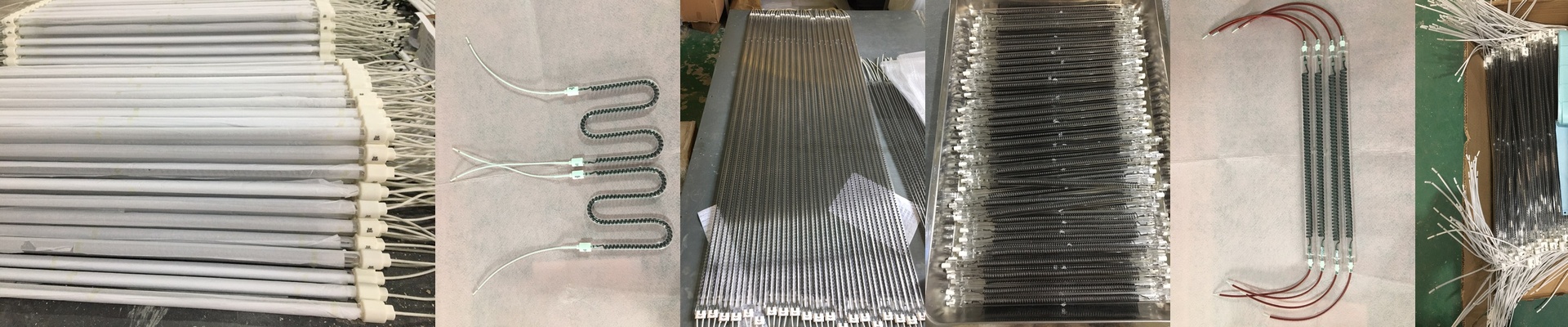
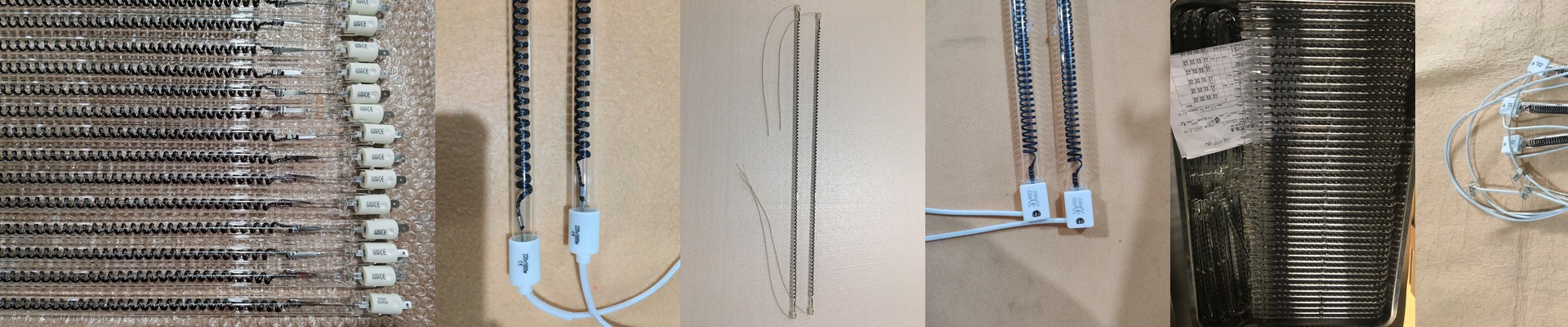
We built the carbon twin-fibre infrared lamp for one reason: to give industrial processes fast, controllable, and pinpointed heat.
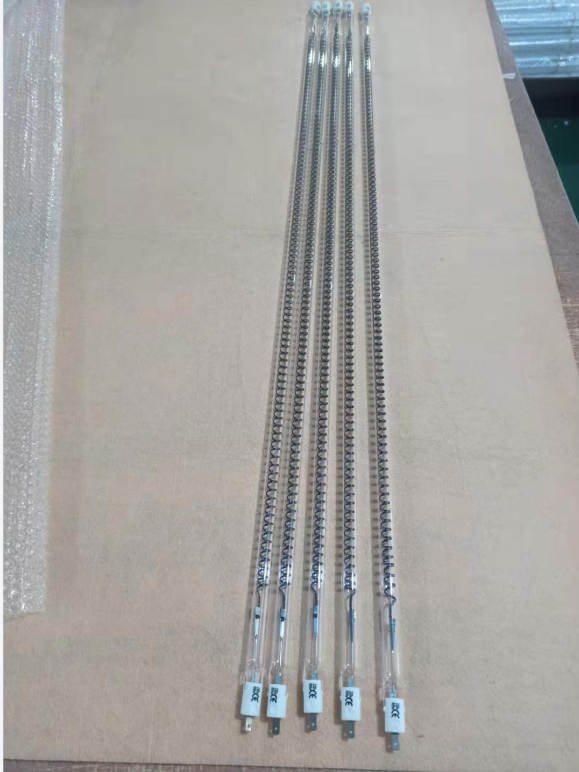
This isn’t some all-purpose bulb. It’s a compact thermal tool, engineered to pack a serious amount of heat into a tiny footprint.
Power, voltage, and size—kept simple
Here’s the thing: it’s all about intensity in a small space. Most of these lamps run on 400V. That lets us deliver high wattage—often around 2500W—without pushing the wiring and terminals into unsafe territory. It also keeps the conductor size manageable, so the install doesn’t turn into a heavy-gauge headache. The tube is typically about 300mm long. Short enough to squeeze into tight spots, but long enough to give you a stable heat profile across the target. And the twin-fibre carbon element? It concentrates heat along the tube axis, so you get predictable hot zones, not a wide, fuzzy blanket of warmth.
Built to take the heat
Inside, the element lives in a quartz envelope. Quartz handles rapid temperature swings and stays clear in the shortwave infrared range—so the heat gets through, clean and steady. We add a halogen fill gas, too. It supports the halogen cycle, which helps keep the element clean during operation and keeps output consistent over the lamp’s life. The twin-fibre carbon construction isn’t just about wattage. It’s about toughness and stable resistance as the lamp heats up and cools down, again and again. For termination, we use R7s connectors. It’s a standardized, double-ended fitting that gives you secure mounting and reliable contact alignment. And because it’s a drop-in fit for many fixtures, you can replace the lamp without re-engineering the machine.
Where it shines—and how it feels
This setup is for the jobs that demand rapid, focused heating: plastic welding, coating curing, component drying—anywhere cycle time really matters. The shortwave infrared output hits surfaces fast, so warm-up time shrinks and the heat stays where you want it. The compact size makes integration easier, and the R7s termination cuts down on installation effort. But there’s a trade-off. Because you’re getting intense heat in a small zone, you’ve got to manage the surroundings. Make sure the machine has proper cooling and enough clearance, so nearby parts don’t get cooked.