Electronics Plant Heating: Built to Last 2 Years, Backed by Engineers Who Aren’t Miles Away
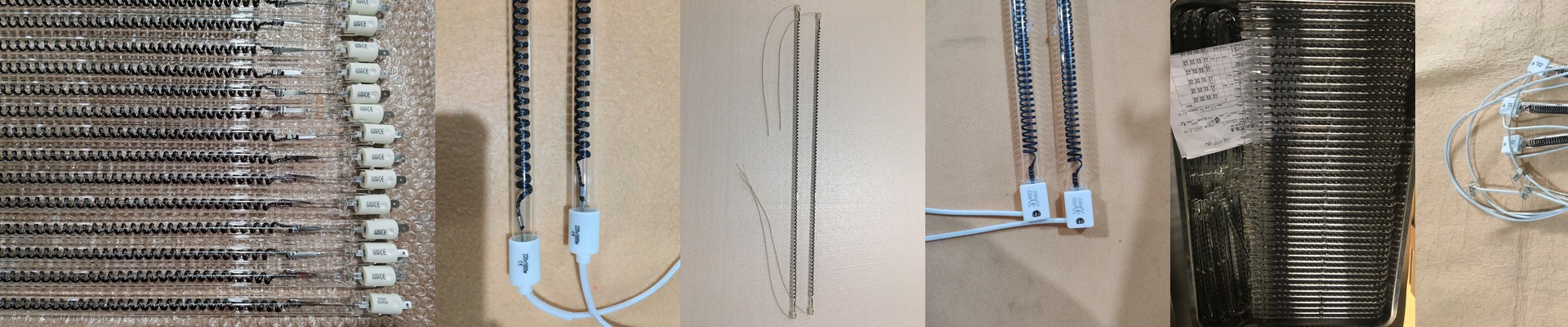
Let’s be real—on an electronics line, heating isn’t just “nice to have.” It’s the heartbeat of the process. So we built our industrial heater around a halogen infrared lamp that’s designed to deliver heat that’s steady, predictable, and repeatable. The whole point? Hit your target temperature quickly, hold it tight, and keep the line moving without those frustrating, unplanned stops.
Power, voltage, and size—kept simple
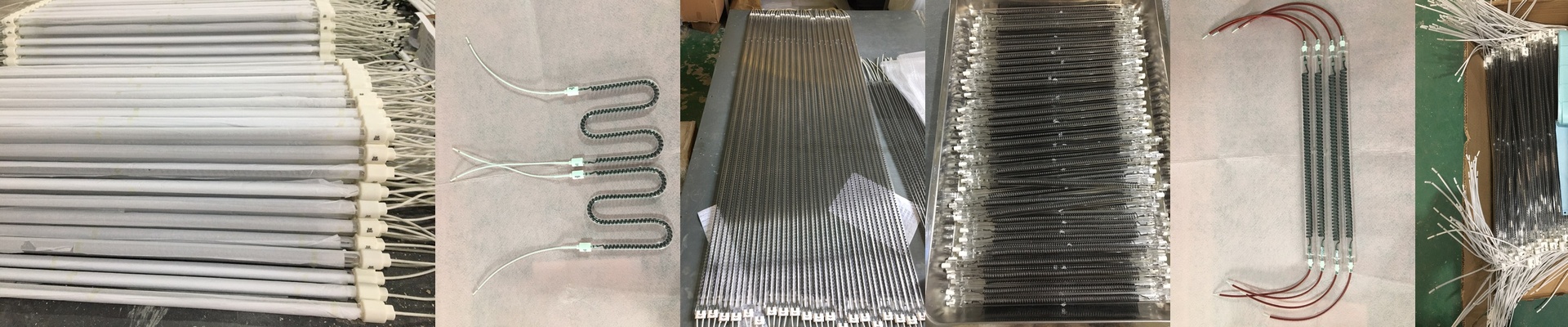
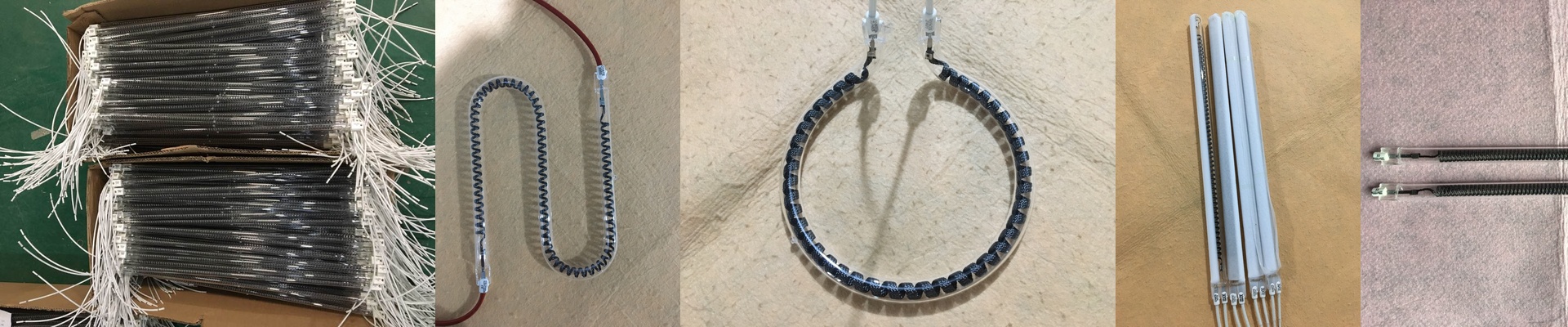
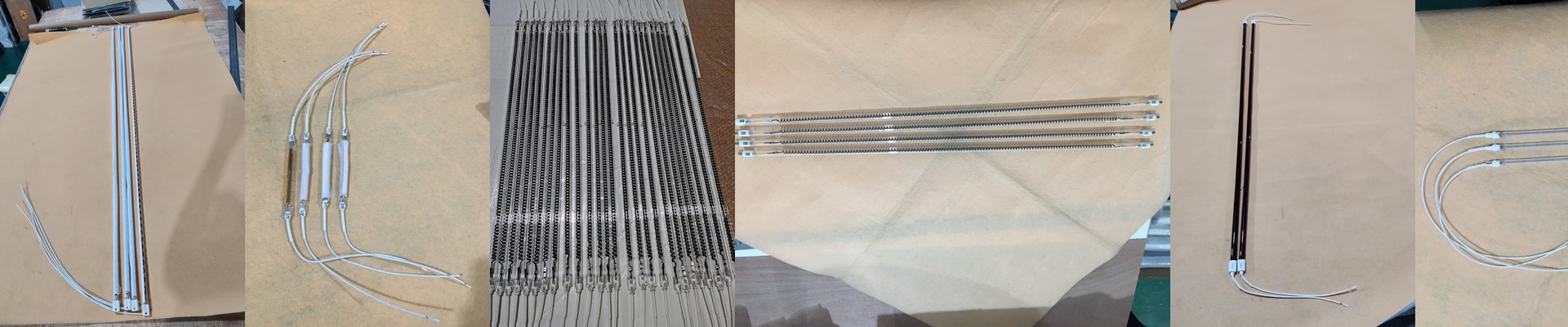
The lamp packs a lot of heat into a small footprint. It runs on 400V, which drops the current compared to lower-voltage setups. Less current means you can use thinner wiring and avoid voltage drop over long cable runs—something that happens all the time in big factories. And that 300mm tube? It focuses the heat right where you need it. No wasted energy heating parts of the machine that don’t need it. At 2500W, this thing ramps up fast. In real life, that means shorter warm-ups and quicker recovery when a door opens or the line pauses for a moment. It’s serious heat density, so your cooling and thermal setup needs to be up to the task—but when it is, you get the payoff.
The materials that make it dependable
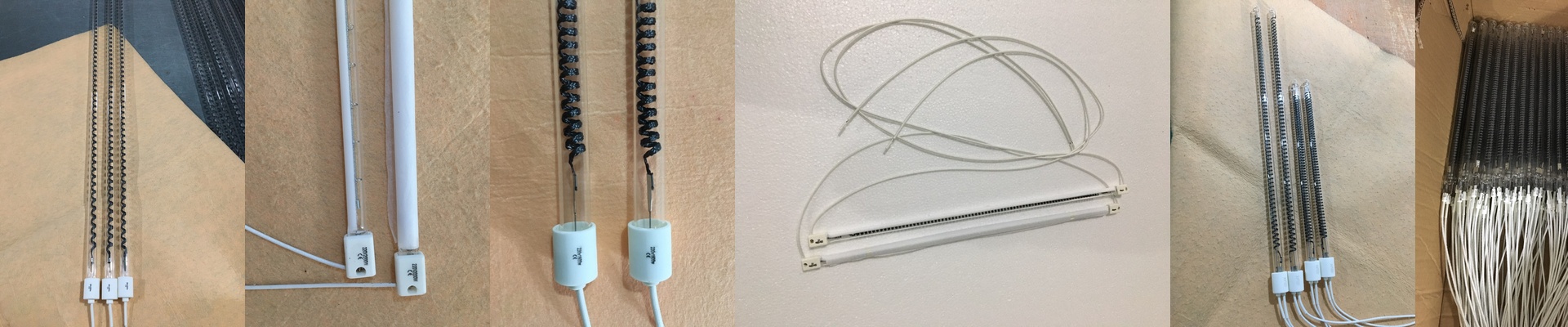
Halogen tech keeps the filament stable by recycling tungsten back onto itself during operation. That consistency is what helps us hit that 2-year reliability target. The quartz envelope handles the heat and gives you the rigidity needed for industrial mounting. The tube uses an R7s connector, which makes installation cleaner and improves electrical contact—fewer hot spots at the terminals. The coated surface helps control emissivity and keeps contamination from messing with performance. Just remember: the coating is tough, but skin oils can leave residues, so a simple handling routine goes a long way.
Built for the electronics line, backed by people who get it
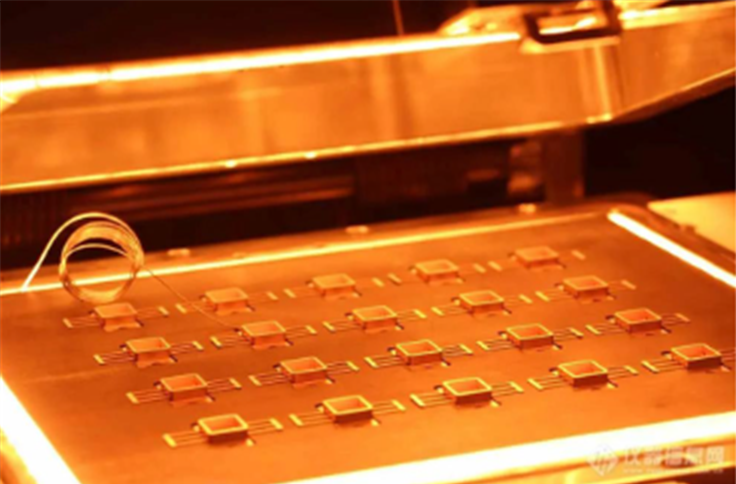
This setup shines for localized heating—component reflow, adhesive curing, preheating, and controlled drying. The 300mm heat zone lets you match the heat to the part, not the whole station. And here’s the part that matters on a busy floor: you get local engineering support. Same 2-year quality commitment you’d expect from the big global brands, but with faster response from engineers who understand your line constraints and can tweak parameters on-site. Yes, the power density means you need disciplined cooling and clear thermal boundaries. But when you get that right, you’re rewarded with faster cycle times and fewer defects caused by temperature swings. It’s the kind of heat you can trust—and support that shows up when you need it.