Stop Frying Your Smart Home Gear
If you’ve ever tried to fix a smart home hub or a sensor, you know the struggle. You need enough heat to melt those stubborn, industrial-grade glues, but if you go a tiny bit too far, you’ve just turned a repair job into a piece of expensive charcoal. It’s a tightrope walk. You need heat that hits exactly where you want it, without bleeding over and cooking the rest of the board.
Why your heat gun isn’t cutting it
Most standard heat guns are just too clumsy for this. They’re like trying to perform surgery with a sledgehammer. When you’re working with tiny, modern components, being off by just 10 degrees can peel the layers right off a PCB. That’s why we stick to infrared or resistive heating. It lets us hit a specific temperature and stay there. The goal is to keep the heat locked on the joint you’re fixing so the surrounding silicon doesn’t even feel it.
The gear and the trade-offs
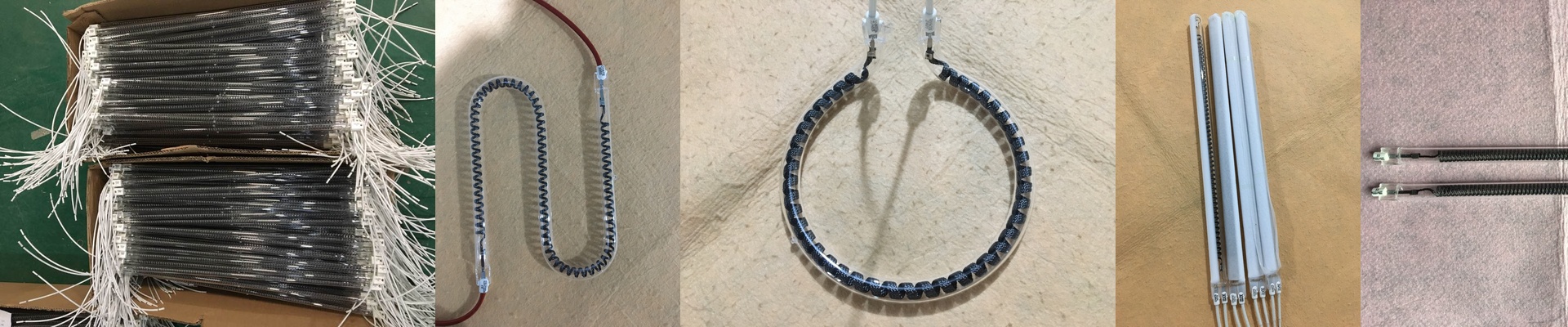
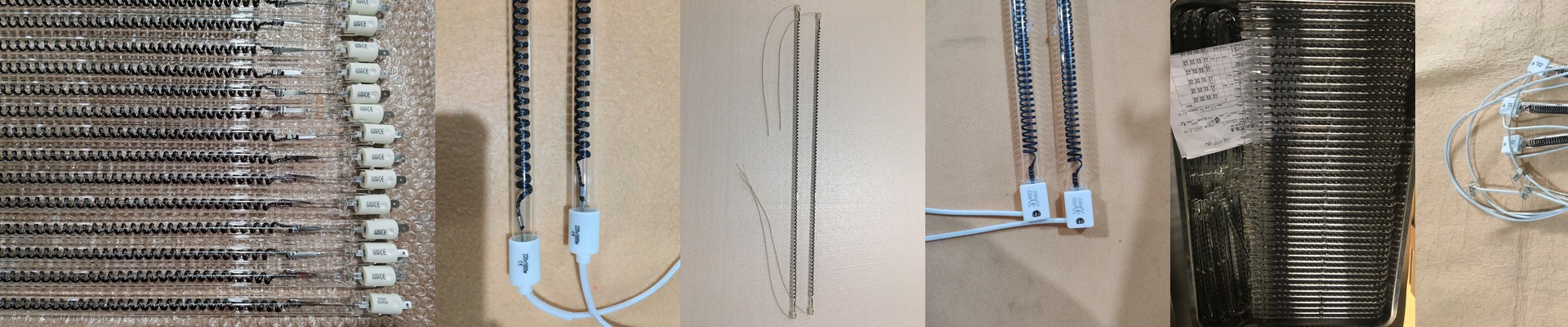
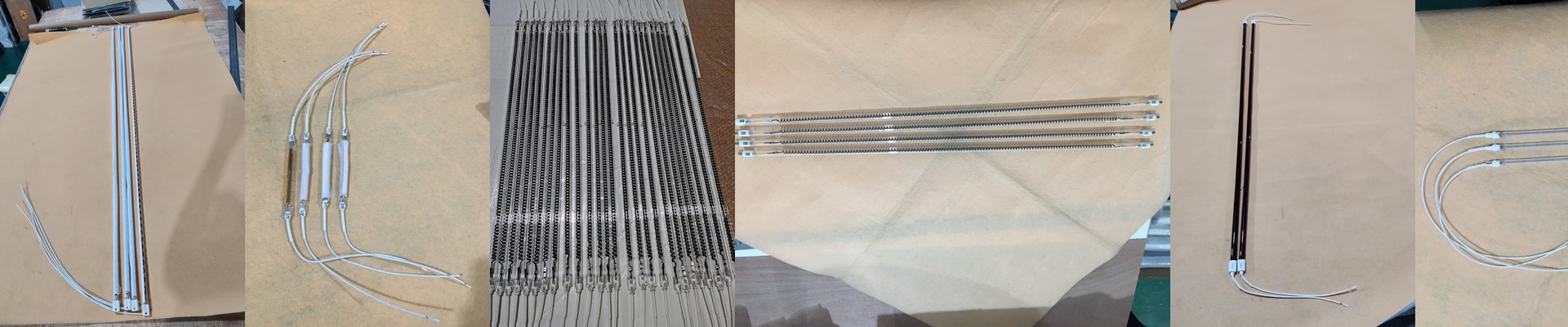
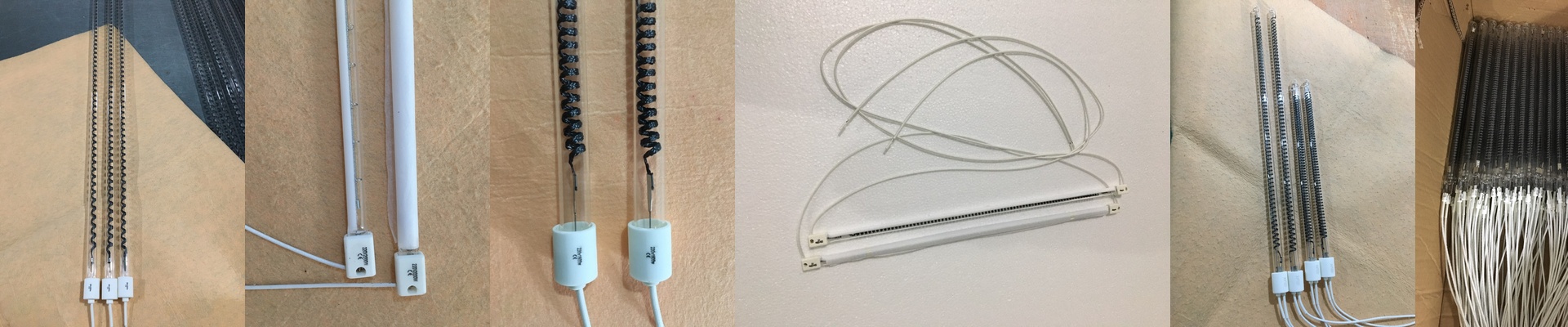
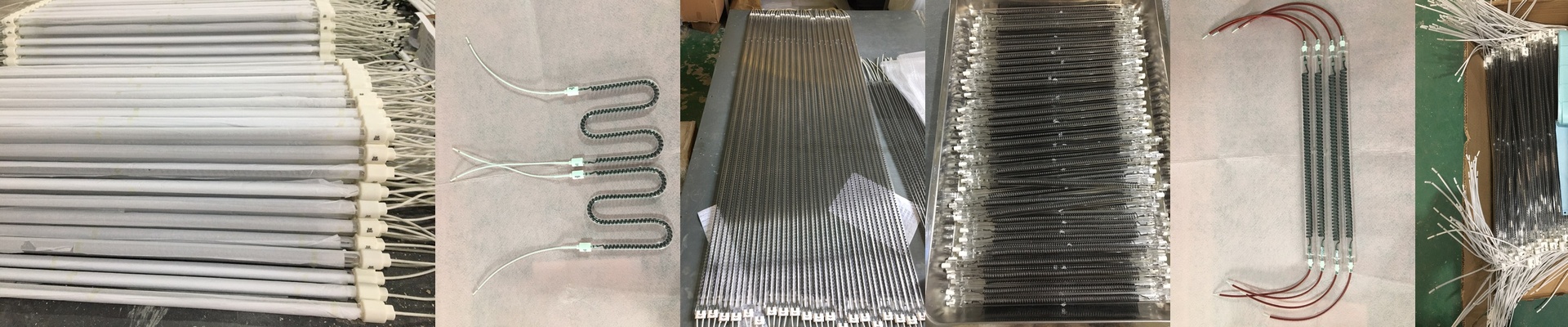
We build our systems with ceramics and high-grade alloys for one reason: speed. You want the tool to heat up fast. If it takes forever to get to temperature, the heat starts creeping sideways through the board via conduction. Before you know it, you’ve popped a nearby capacitor. By using high-wattage density, we can keep the tool small enough to actually fit into those cramped device chassis. But here’s the catch. You can’t just crank the power indefinitely. Pushing too many watts into a tiny head makes the job faster, sure, but it beats up your power supply and burns out the heating element way quicker. I always recommend making sure your voltage overhead matches the heater’s peak draw. It stops those annoying temperature dips that happen right when you’re about to make a move.
Making it work on the bench
When you’re running a shop, you can’t spend all day tweaking settings. You need it to work the same way every single time. We design our heaters to be “drop-in” replacements. If an element wears out, you swap it and keep moving. No need to spend an hour recalibrating the whole station. And do yourself a favor: wire it to a PID controller. It kills that “hunting” effect where the temperature bounces up and down around your target. It just stays put. Simple, steady, and it saves you from a lot of heartache.