Getting Heat Right in the Modern Factory
Most people think heating is just about cranking up the temp. But in a modern electronics setup, that’s a recipe for disaster. The real trick is controlling exactly where the heat goes—down to the micron—so you aren’t just throwing energy into the void. It’s about hitting the target, not just warming the room.
Why “Close Enough” Isn’t Good Enough
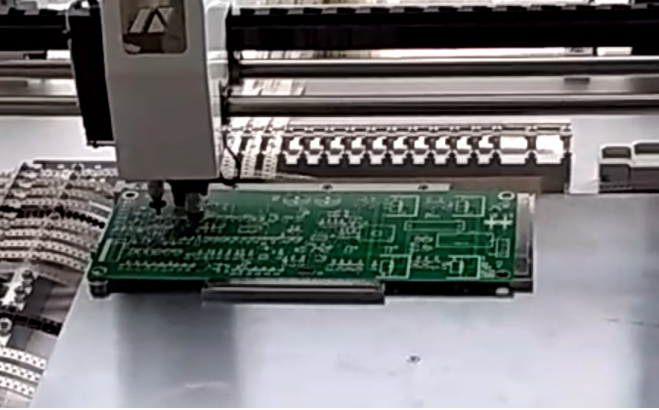
We’ve all seen it. A standard heater overshoots the mark, and suddenly you’ve got warped components or solder bridging. It’s frustrating. It’s expensive. We deal with this by using closed-loop feedback. Basically, the system watches the temperature in real-time and tweaks the wattage on the fly. When you kill that gap between where you want the temp to be and where it actually is, your scrap rate on high-density PCBs plummets. You stop fighting thermal inertia and start actually controlling your process.
The Hardware Trade-off
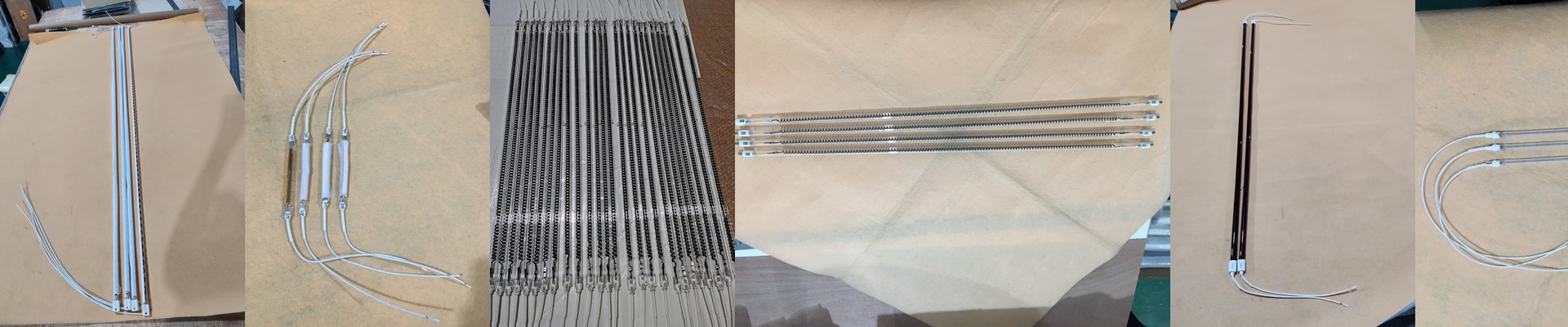
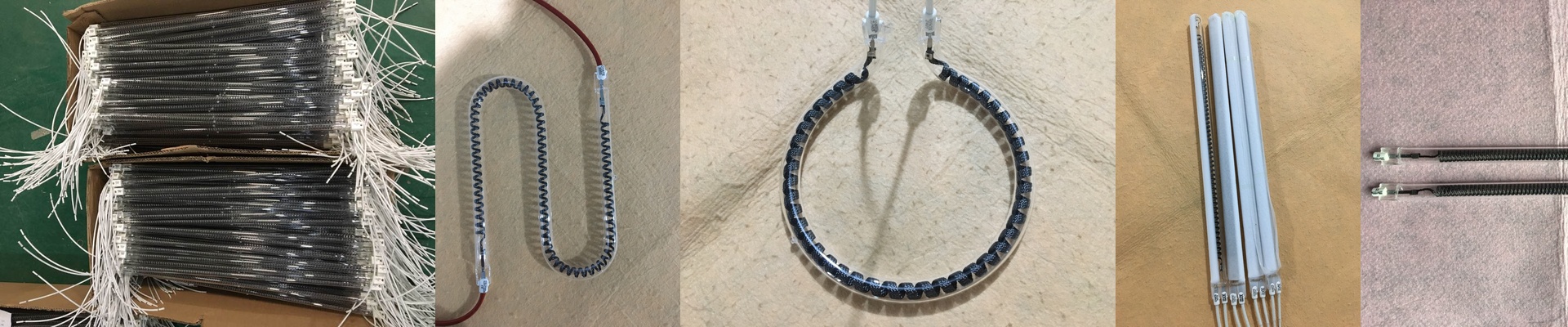
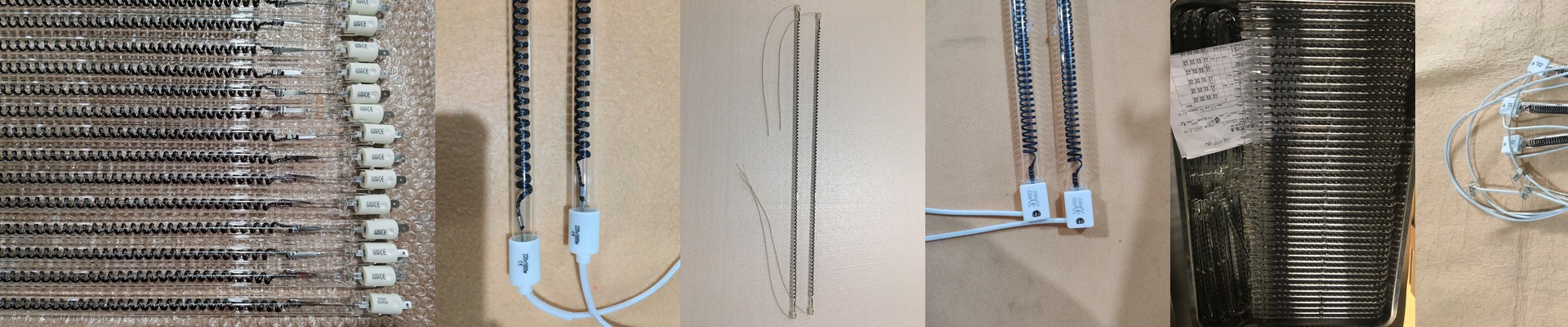
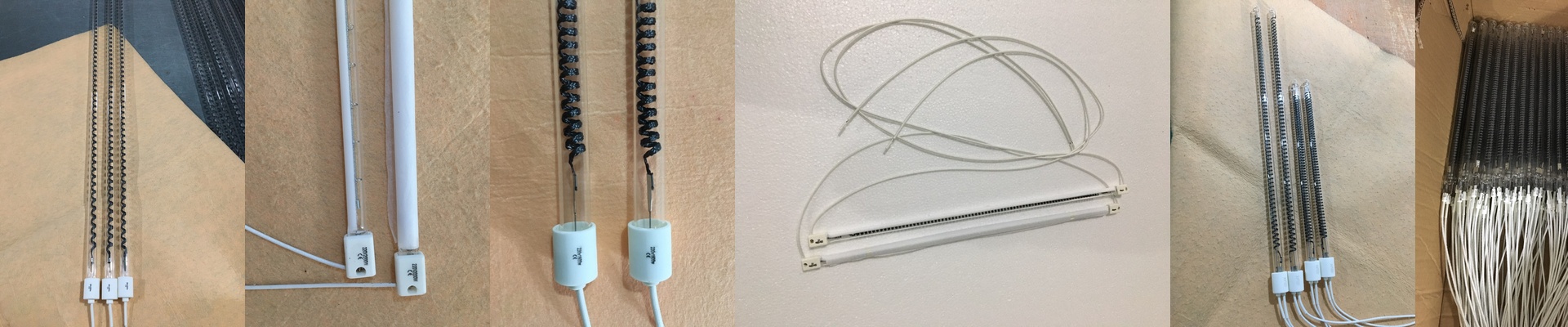
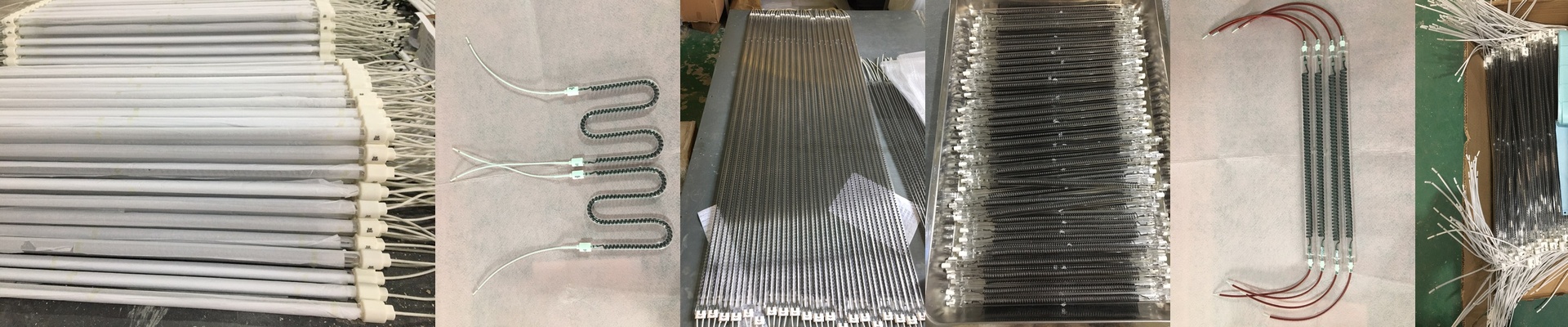
If you want a sustainable shop, you need to shrink your heating arrays. We use high-density emitters that heat up and cool down incredibly fast. Your tact times get shorter, which is great for the bottom line. But here’s the catch: all that concentrated heat puts a lot of stress on your chassis. If you forget to beef up your cooling fans or heat sinks to match, you’re going to fry your control boards. It’s a balancing act.
Real Sustainability (Not the Brochure Kind)
Let’s be honest: sustainability isn’t about a fancy PDF. It’s about the kilowatt-hour. We focus on emissivity. By matching the emitter’s wavelength to the material you’re actually heating, the energy goes into the substrate, not the air around it. It’s a much smarter way to work. The best part? You can plug these straight into your existing PLC framework. It just works. You get a tight thermal profile without spiking your power bill. Plus, we keep an eye on how the elements wear down over time. That way, you can swap them out on your own schedule instead of having the whole line grind to a halt because something snapped at 3 AM.