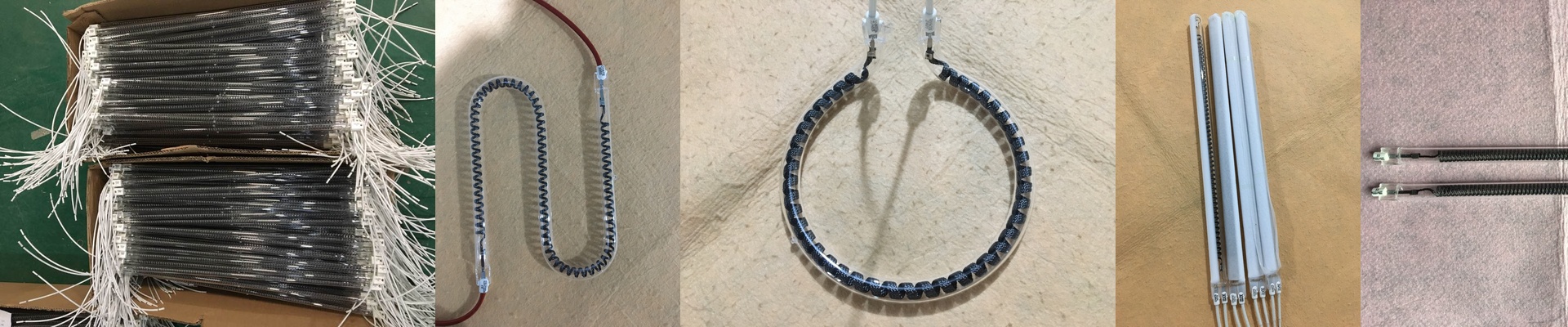
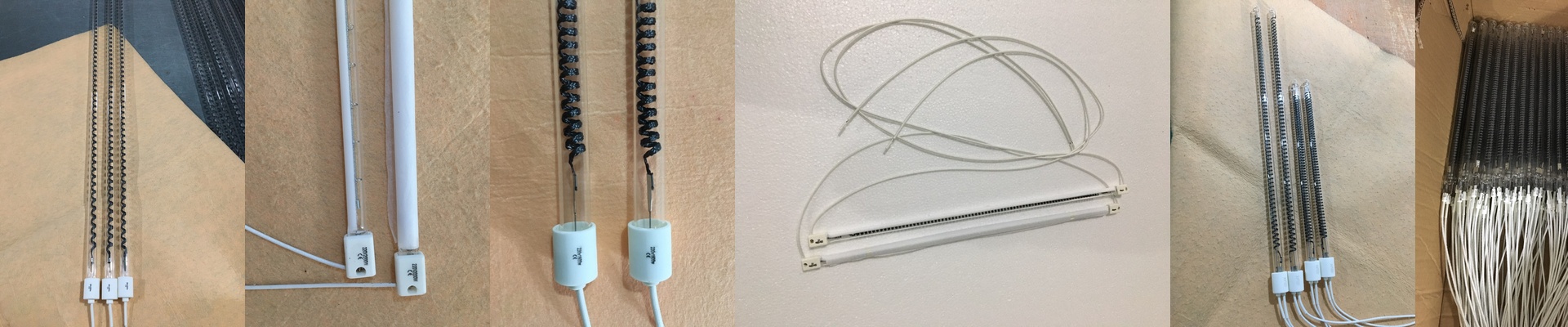
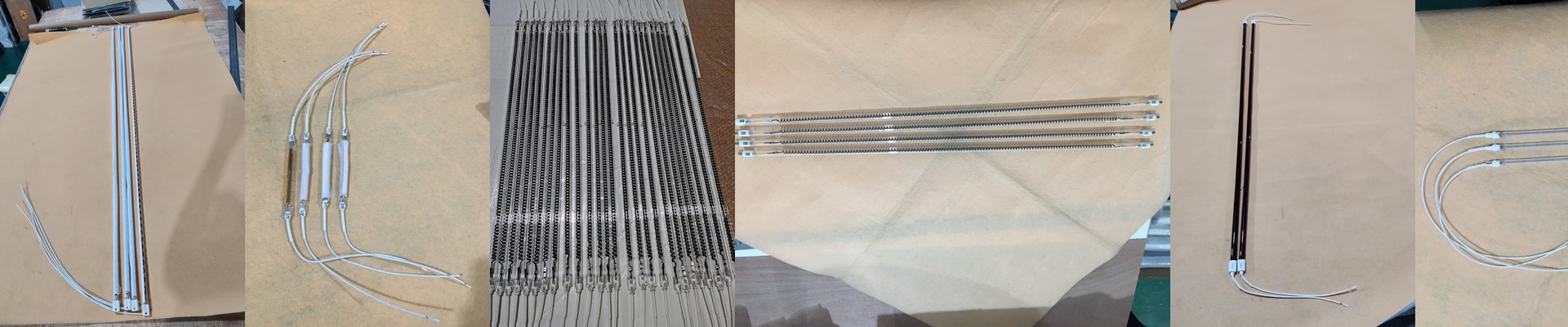
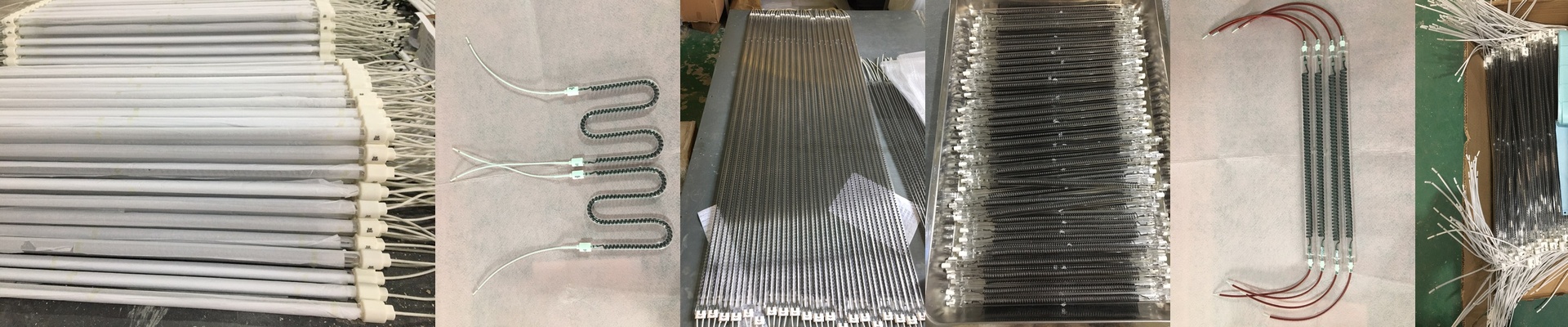
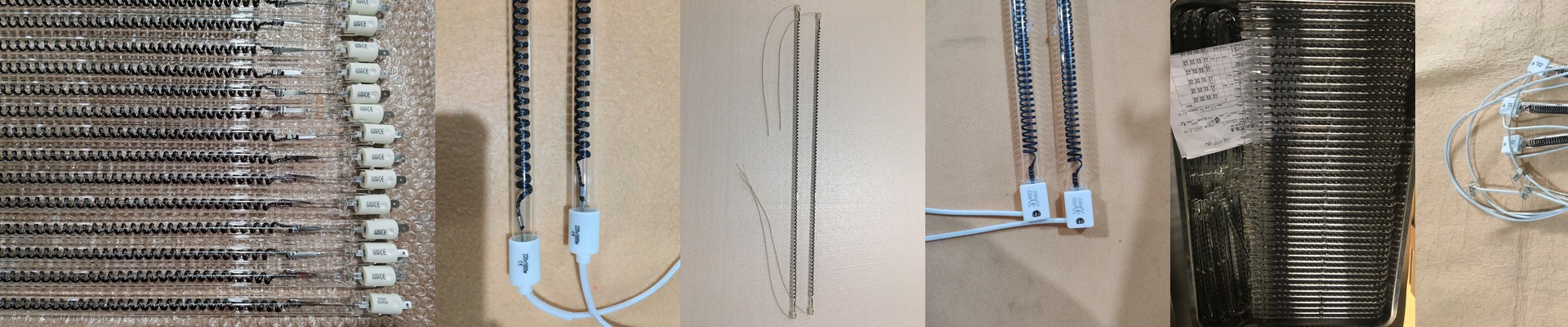
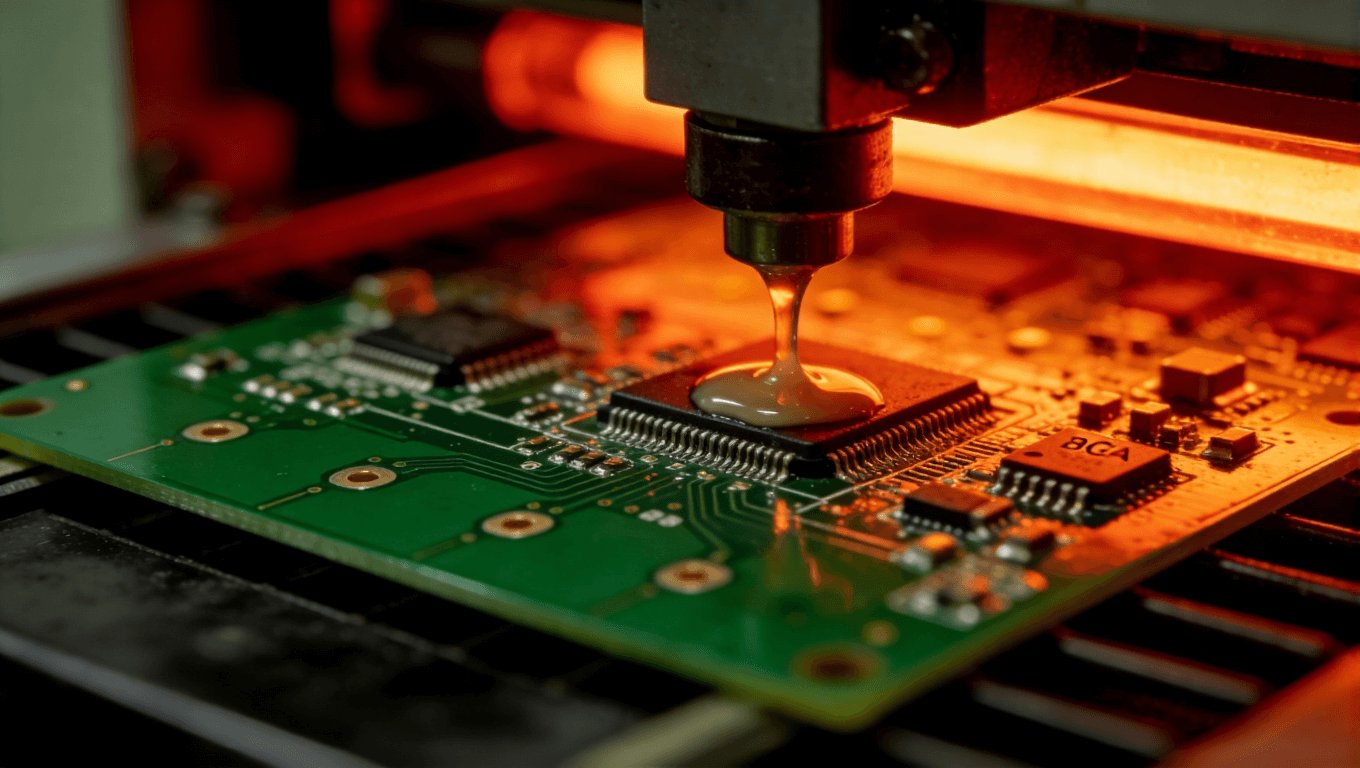
When you’re fixing smart grid electronics, you can’t just blast a PCB with heat and hope for the best. If you do, you’re asking for trouble—you’ll likely peel the layers of the board or fry the tiny components sitting right next to your target. It’s a delicate balance. That’s why we built our infrared heaters to be surgical. We target the specific bands that solder and coatings actually absorb, rather than just heating everything in sight. Getting the heat where it belongs We stick to a narrow-band infrared spectrum. By tweaking the quartz envelope and what goes into the filament, we make sure the heat hits the solder joint directly. It doesn’t just soak into the whole board. This is huge for those heavy-duty smart grid modules that usually act like giant heat sinks. Because the wattage density is so high, you hit that melting point in seconds. It’s fast. Really fast. And that speed is exactly what keeps the rest of the circuitry from drifting or warping. The nuts and bolts We didn’t cut corners on the materials. We use high-purity quartz so the heat actually gets through. The connectors are built for the grind of an industrial shop, meaning they won’t oxidize and fail after a few months of heavy use. Even the wiring is different—we use heat-resistant leads that can take a beating during installation. But here’s the thing: high-intensity emitters get hot at the terminals. It’s just physics. If you toss these into a chassis without any airflow or a decent heat sink, your connectors are going to degrade. You’ve got to make sure your housing can breathe as much as the lamp puts out. Real-world use If you’ve got an aging desoldering station, these just drop right in. Since the wavelength is matched to the material you’re working on, you stop worrying about the board warping under your hands. We also make sure the heat pattern is dead-even across the whole tube. When you’re dealing with those massive smart grid controllers, you can just set it and forget it. No more scooting the board around manually to find the “sweet spot” while you’re trying to get a clean melt.