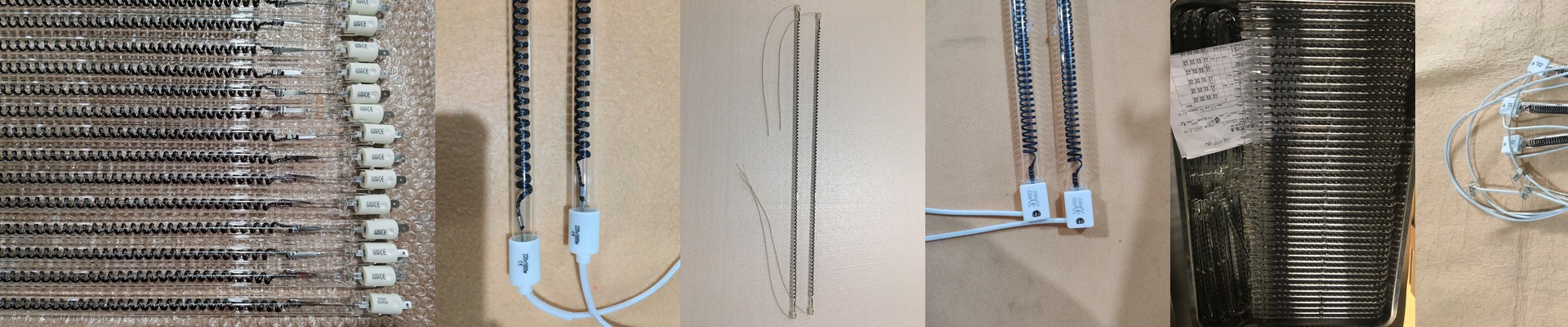
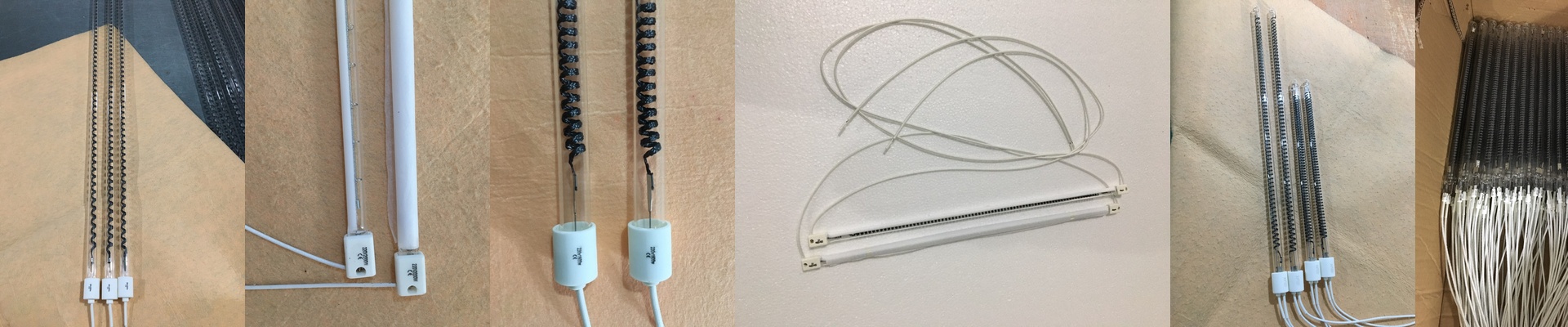
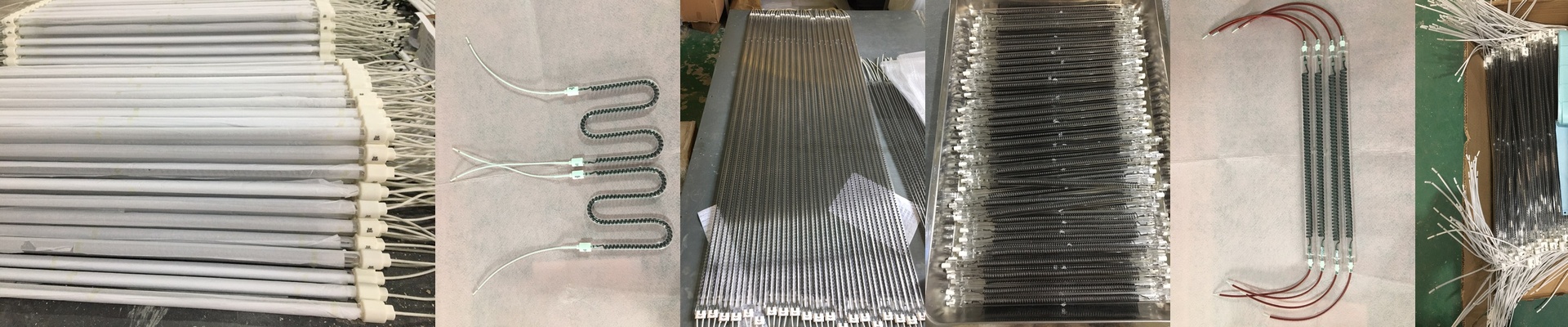
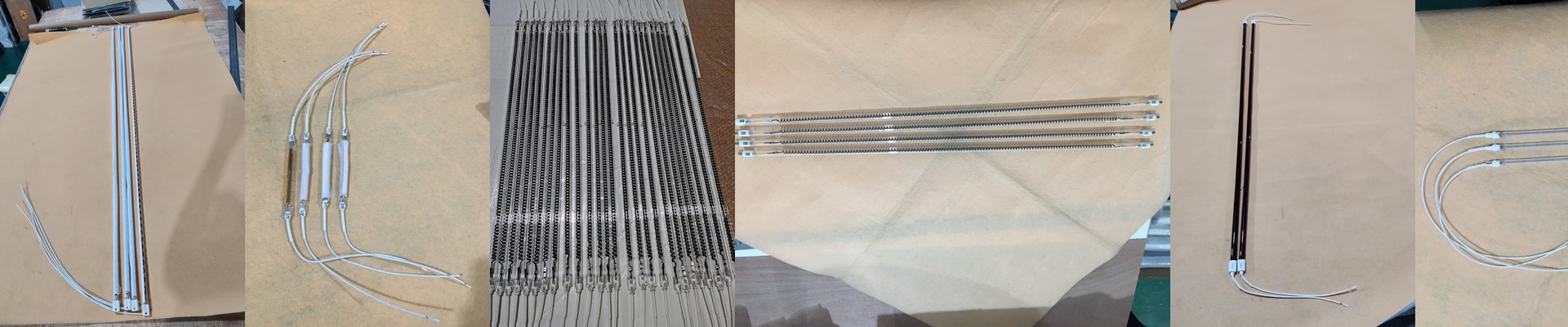
A Real-World Look at Carbon Fiber Oval Heating Tubes
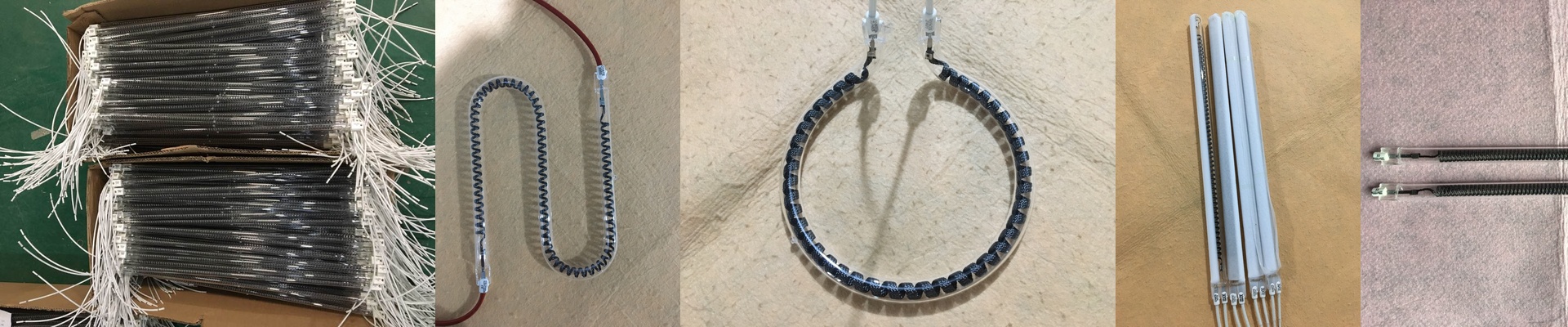
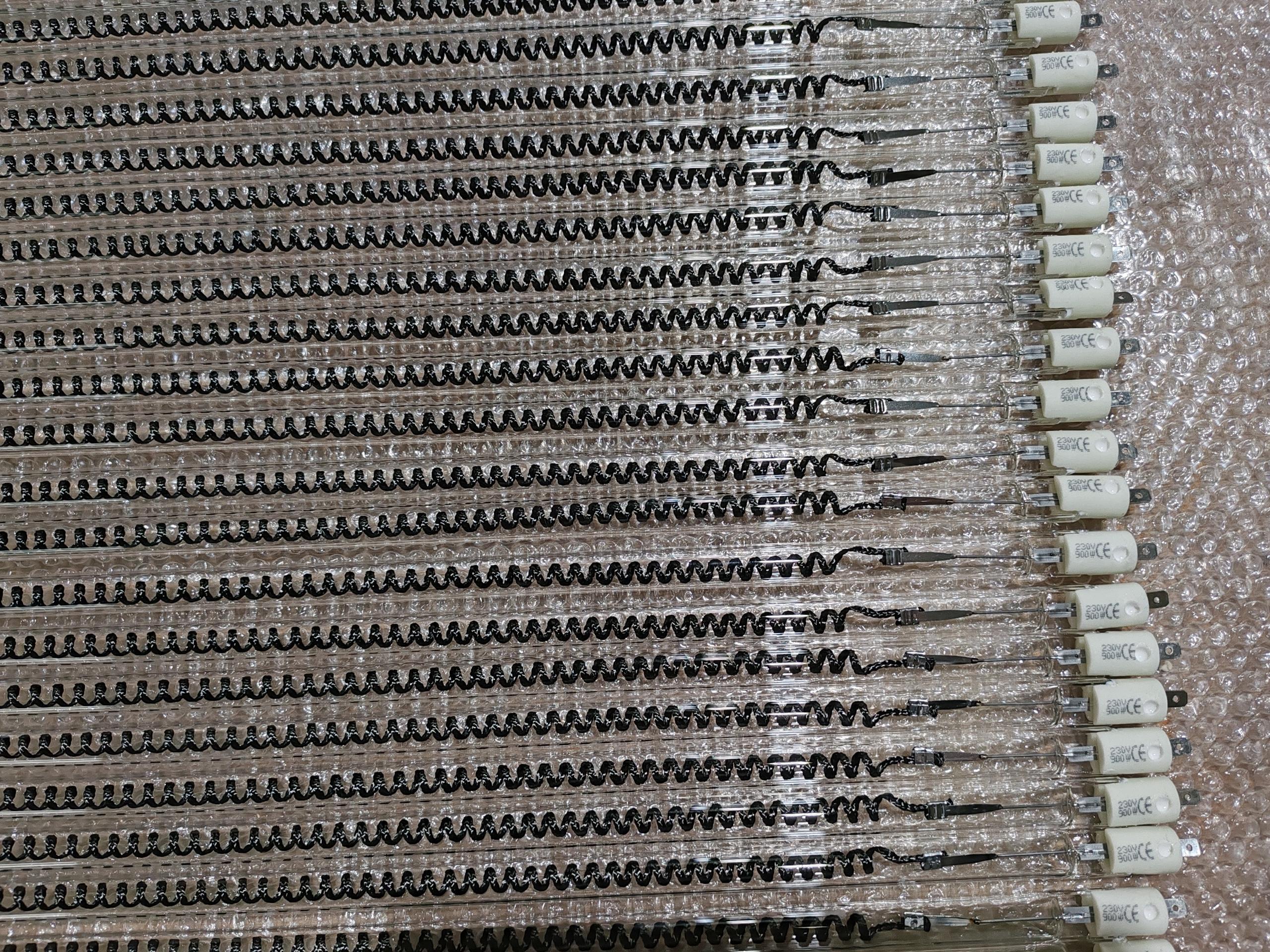
Ever feel like standard round lamps just aren’t hitting the mark? Maybe your mold geometry is weird, or you just can’t get the heat where it actually needs to be. That’s usually when we bring in the carbon fiber oval tubes. Instead of the usual quartz setup, these use carbon fiber filaments. They put out medium-to-long wave infrared radiation, which just works better for certain jobs. Why the oval shape? It’s not just for looks. By flattening the tube, we get more surface area without adding bulk. Here’s the win for you: the heat spreads more evenly. You stop dealing with those annoying “cold spots” that round tubes always seem to leave behind. It’s the perfect fix for when you’re tight on space but still need a ton of radiant power. Dealing with the hardware Carbon fiber is a beast when it comes to thermal stress. Unlike tungsten, it doesn’t just give up and burn out when you’re cycling the power on and off rapidly. We wrap the whole thing in high-purity quartz to keep the fiber from oxidizing. But a heads-up on the install: because the tube is oval, the pressure inside shifts differently when it gets hot.**Be careful with your mounting clips.**If they’re squeezing the glass too hard, the tube will crack way sooner than it should. Give it some breathing room. Where this actually matters You’ll see these a lot in shrink-tunneling or PET bottle blowing. Since they’re flatter, we can tuck them closer to the preform, which means less heat escaping into the air and more going into the product. But there is a catch. If you cram a ton of wattage into a tiny oval footprint, your cooling fans are going to be screaming. If you push the power too hard without enough airflow around the ends, you’re going to fry your connectors or melt your wiring. It’s a balancing act between how fast you want to ramp up the heat and how long you want your electronics to last. Just do yourself a favor and use high-temp leads. Trust me, you don’t want to deal with melted insulation.