The R7S Carbon Fiber Heater: Your Direct Swap for Serious Heat
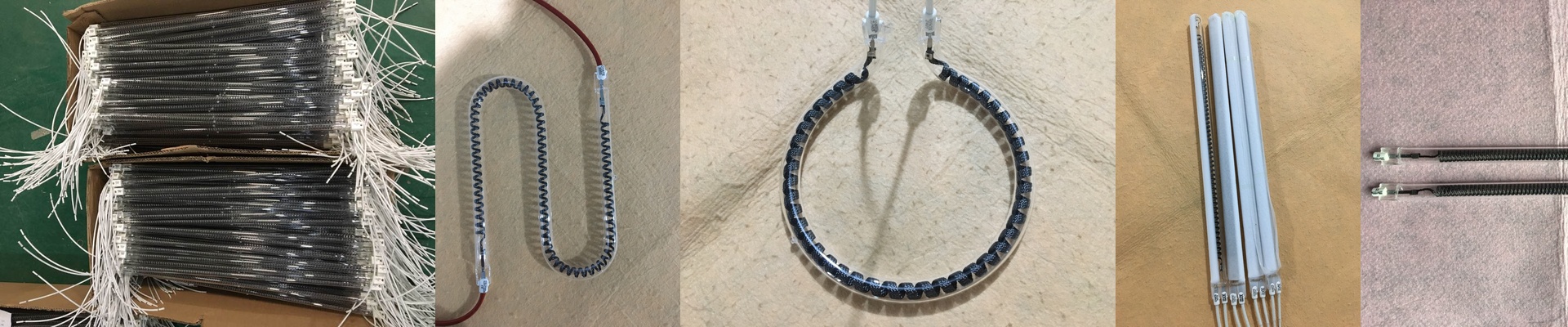
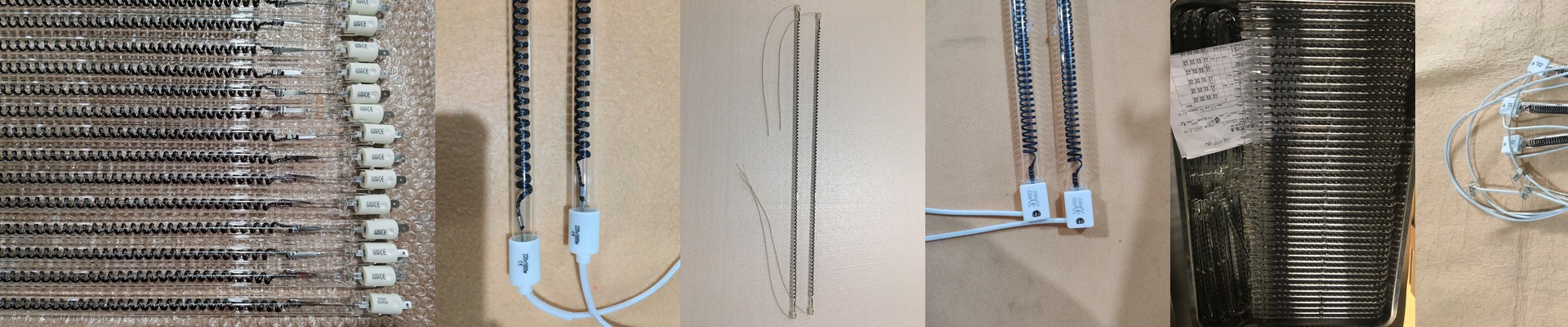
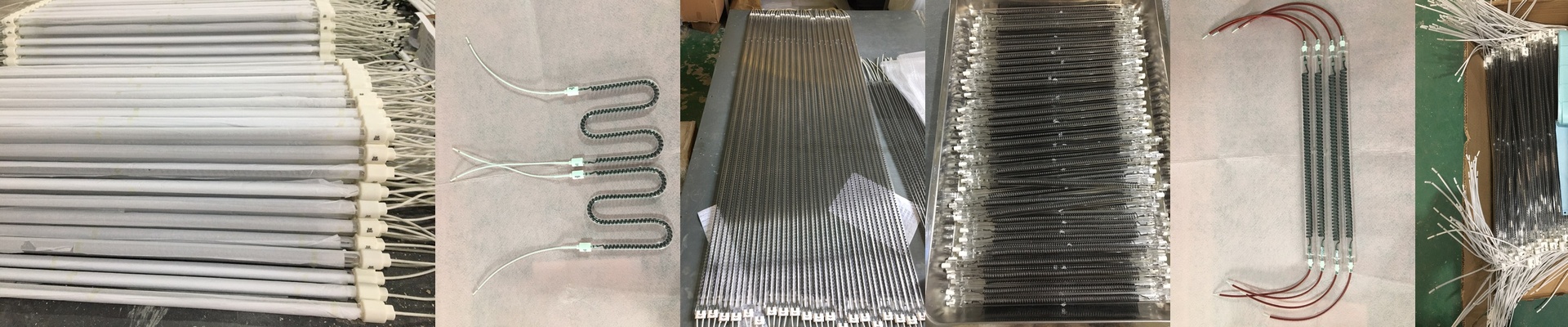
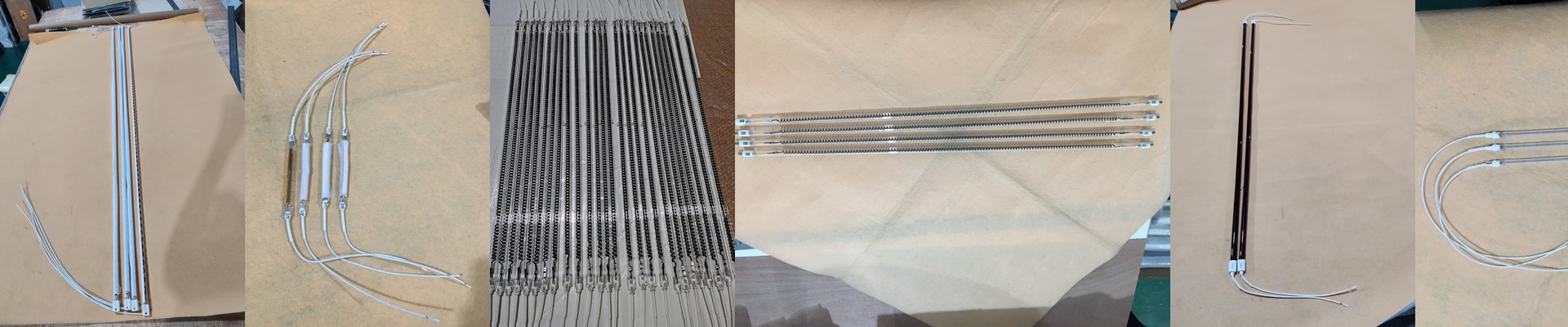
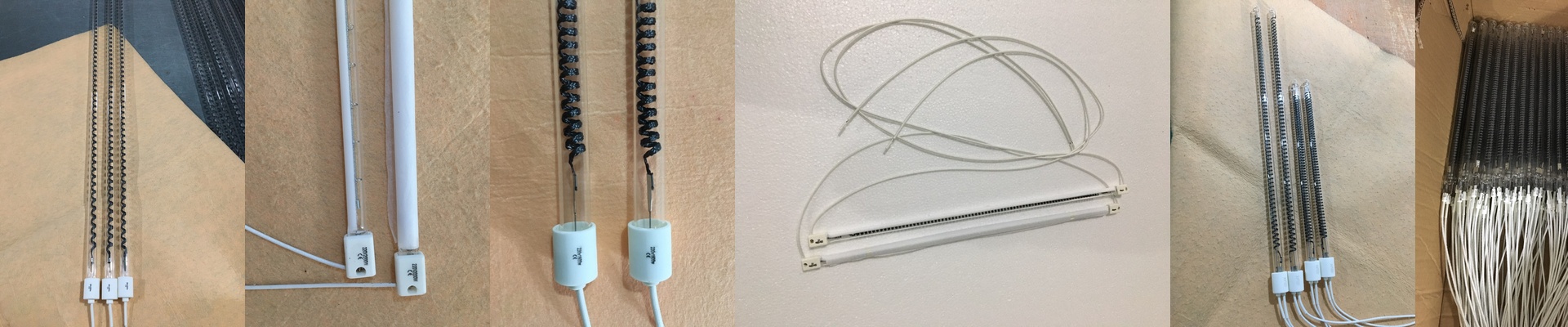
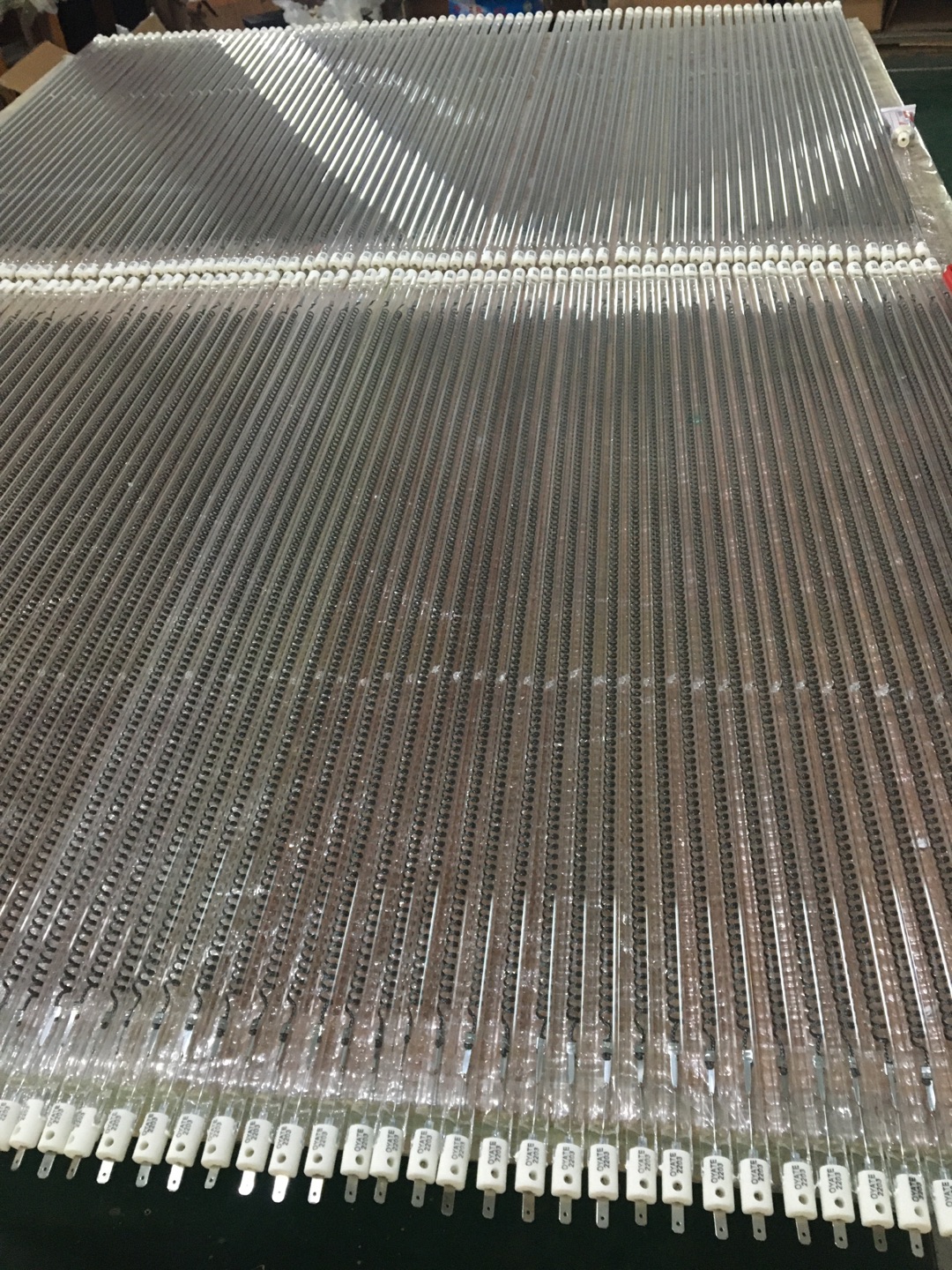
So, let’s talk about the R7S carbon fiber heater. We built this thing to be a straight-up replacement for the infrared powerhouse in your industrial machines. It’s not trying to be something new and complicated. It’s just a better, more focused way to get heat where you need it. At its heart, it’s a high-wattage, shortwave halogen element, packed into a seriously compact space. The magic happens inside a quartz tube, where a carbon fiber filament gets scorching hot to blast out intense infrared radiation. We’re talking serious power—typically 2500W or 3000W, running on 230V or 400V systems. And it all fits in a standard 300mm length. The payoff?**Lightning-fast heat.**It responds almost instantly. But with that kind of power density, you just need to make sure your machine’s cooling and electrical setup are ready for it.
What’s Inside and Why It Works
The carbon fiber filament is the real workhorse here. It was chosen because it can handle the extreme temperature swings without breaking a sweat. Its resistance stays stable, even when you’re pushing it hard. Then there’s the quartz tube. It creates a perfect vacuum seal and lets the infrared energy blast right out, as efficiently as possible. And here’s a clever bit: the halogen cycle inside the tube keeps the filament clean. That means a longer life for the heater and no frustrating drop in output like you get with standard filaments. Don’t overlook the R7S base, either. It’s a bi-pin, double-ended mount that locks the tube in place and handles all the electrical current without needing extra brackets. It’s a true drop-in fit for your existing sockets, which means you can get back to work with minimal downtime.
Where It Shines (And What to Watch For)
This heater was born for industrial jobs where space is tight and you need to focus heat like a laser beam. Think PET blowing, plastic welding, thermoforming, and drying lines—anywhere you need fast, repeatable temperature control. The shortwave infrared output blasts through surfaces quickly, which cuts down on cycle times in a way that old-school convection just can’t touch. But here’s the trade-off: thermal management. All that power in a small space means you’ve got to control the immediate environment. You need to make sure you’ve got proper reflectors, airflow, and thermal shielding in place to protect the components nearby. When you need heat on demand, and you need it to be reliable and fit a standard footprint, this is a seriously robust, high-output solution.