Carbon Tube Reflector Lamps: The Real Deal on Industrial Heat
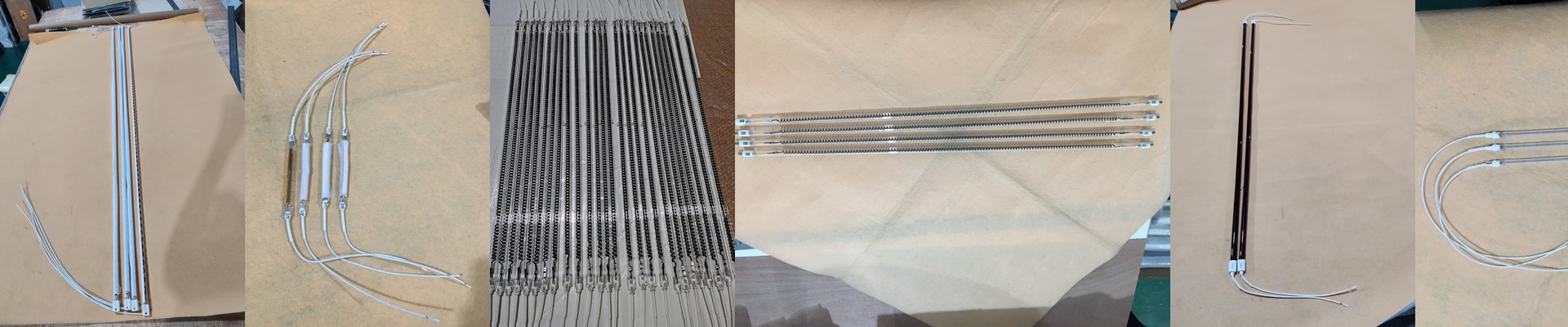
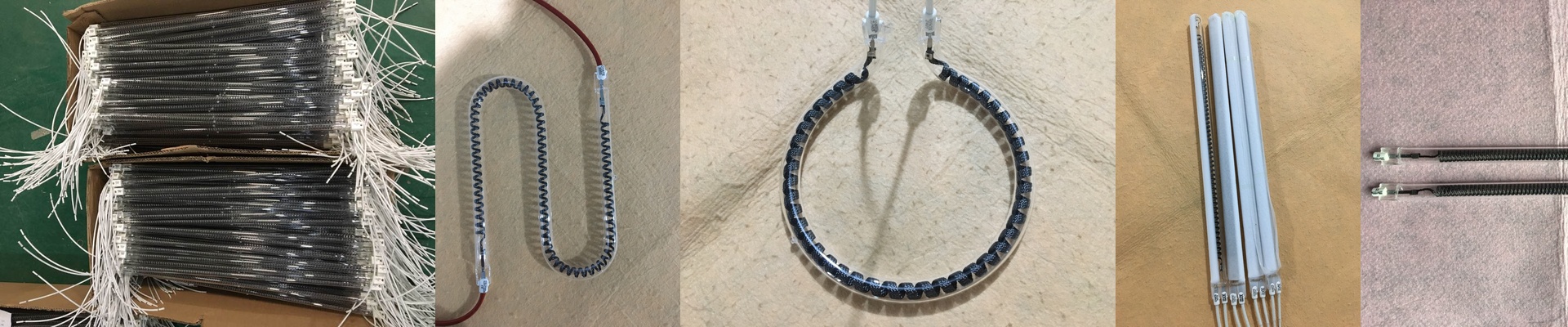
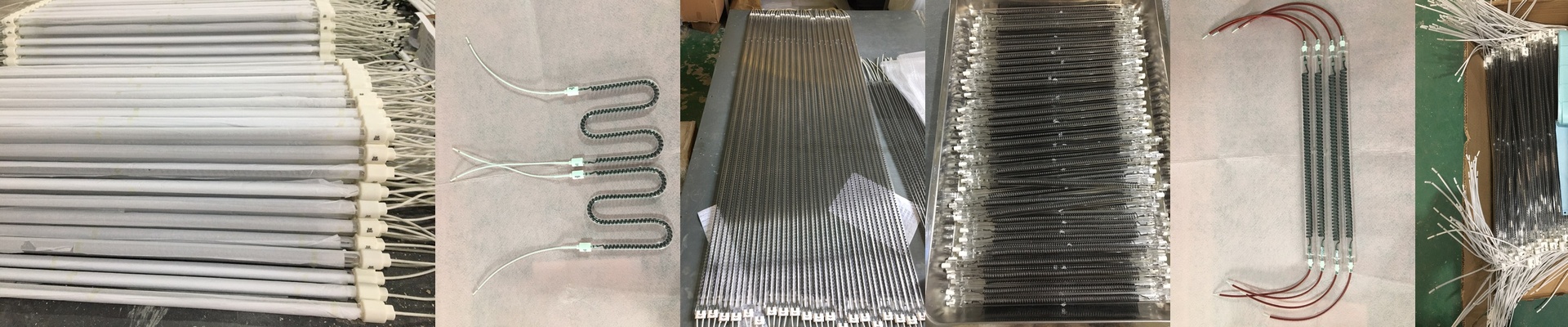
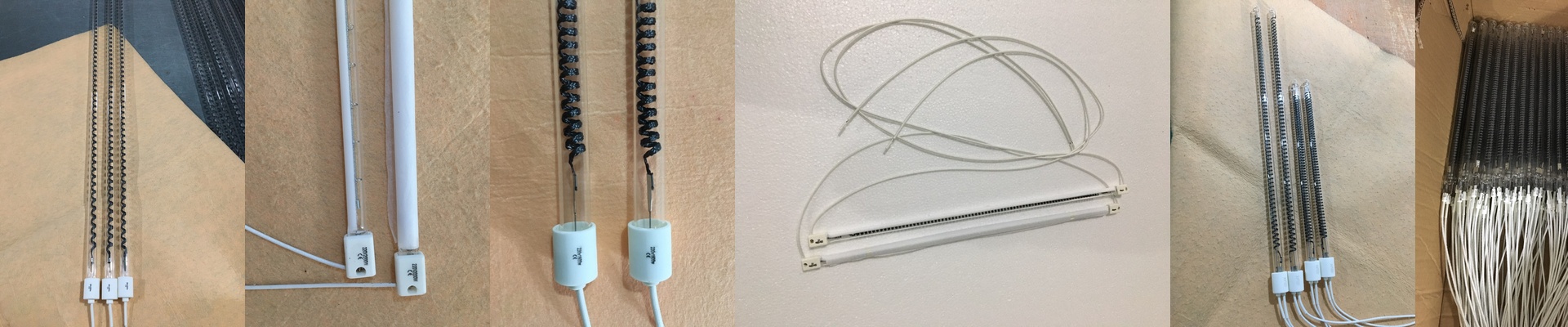
We build carbon tube reflector lamps for one reason: to give you industrial heating that’s focused, intense, and fast. These aren’t your average bulbs. They’re purpose-built for jobs that need direct, line-of-sight infrared heat—the kind that hits hard, right where you point it. Think of them as precision tools. When your process demands a lightning-quick thermal response, these lamps deliver.
Power, Voltage, and Size: Why It Matters
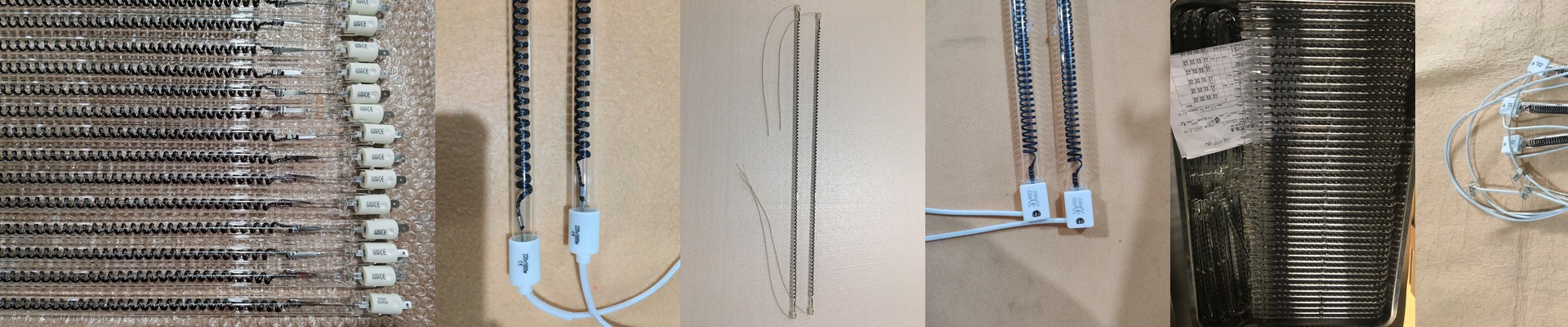
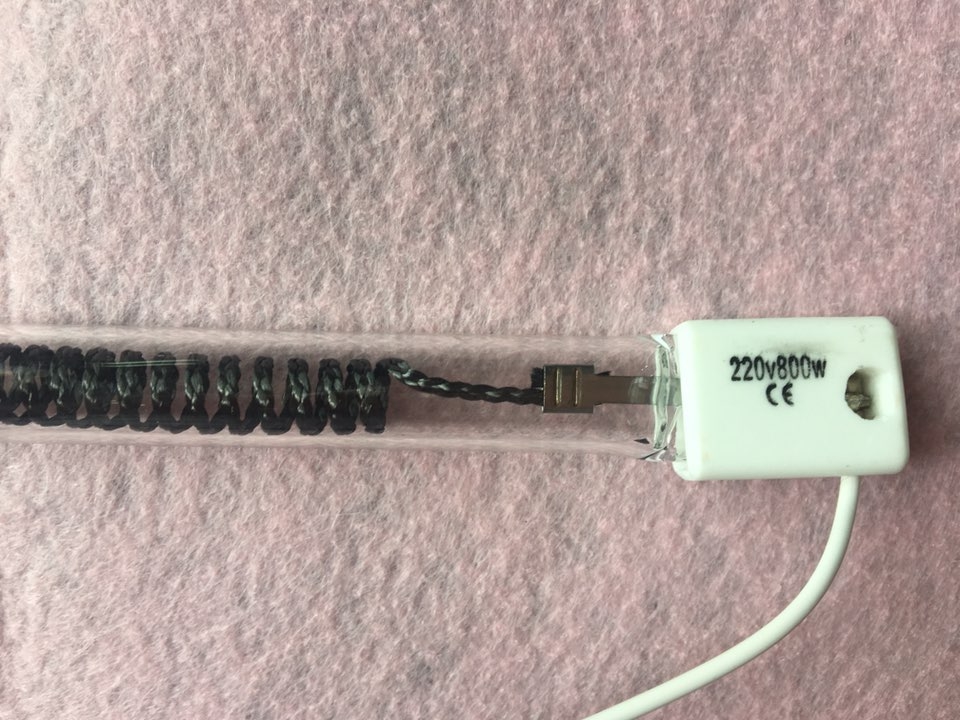
A typical unit runs at 2500W and 400V. That combo is intentional. It pushes the carbon filament to extreme temperatures, which is exactly what you need to get that shortwave infrared punch. The lamp is 300mm long with a 10mm diameter. That slim profile keeps the footprint small, while the surface area is just right to generate serious output. The payoff? You can zero in on a specific spot without wasting energy all over the place.
What’s Inside, and How It Stays Tough
Inside, you’ve got a quartz tube housing a carbon filament that runs on the halogen cycle. Quartz is perfect here—it handles thermal shock and stays steady even when things get scorching. The halogen gas inside keeps the filament from degrading, so the lamp lasts longer. On the outside, we add a reflective coating to direct infrared energy forward. That means more usable heat in the direction you need it. For the connections, we use R7s or Sk15 connectors. They’re secure, handle high current, and are easy to wire. They also hold up to the constant vibration you find on a busy factory floor.
Where They Shine—And What to Keep in Mind
You’ll see these lamps a lot in PET blowing and plastic welding. Why? Because those jobs need heat that’s fast, localized, and repeatable. The concentrated power helps you keep cycle times short and temperature control tight. But here’s the trade-off: 2500W makes a lot of heat. So your machine’s cooling system has to be up to the task. You’re dropping this lamp in, but you still need to make sure the enclosure has enough airflow and proper electrical insulation. When you get the setup right, it just works. Hard, focused heat—on command.