Introduction
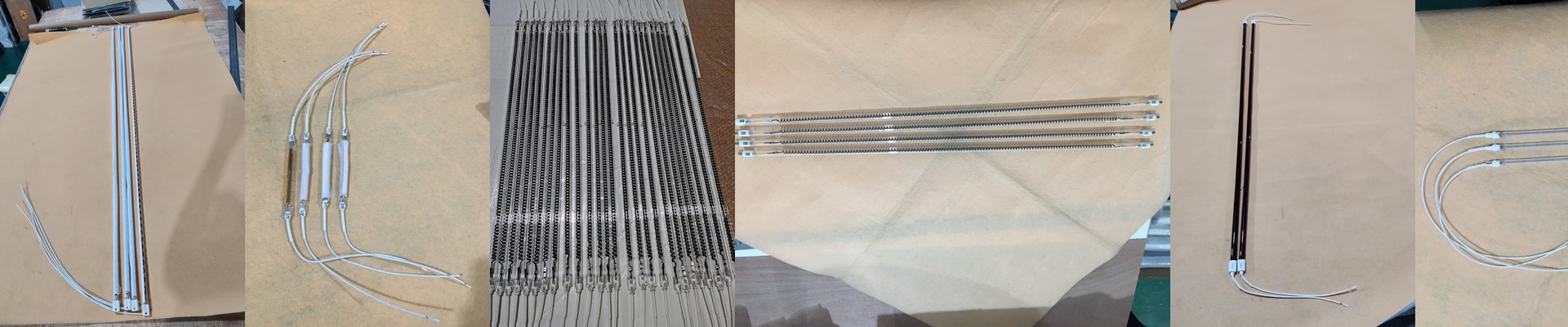
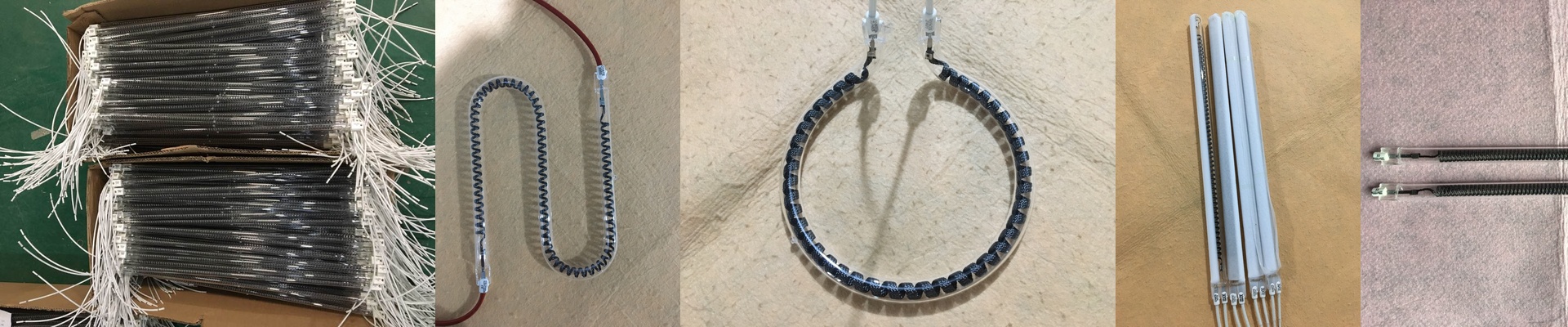
Here’s the thing: if you’re an engineer, you know the feeling. You need serious heat, but you don’t have a ton of space to work with. That’s exactly why we built this 1000W carbon infrared heating tube. It’s for the industrial processes where time is money and you can’t afford to wait around. You wire it in, and it just gets to work. No lag. No waiting for it to warm up like those clunky, old-school heaters. Just steady, reliable infrared energy, right from the start.
Technical Deep-Dive
Let’s get into the guts of it. The 1000W rating isn’t just a number on a spec sheet. It gives you real, predictable power density. You get a blast of focused heat that won’t trip your standard control circuit. The tube’s shape is smart, too. It creates a tight hot zone, so you’re putting the energy exactly where you need it. Perfect for those situations where you need a serious punch of heat but your mounting space is tight.
Material & Design
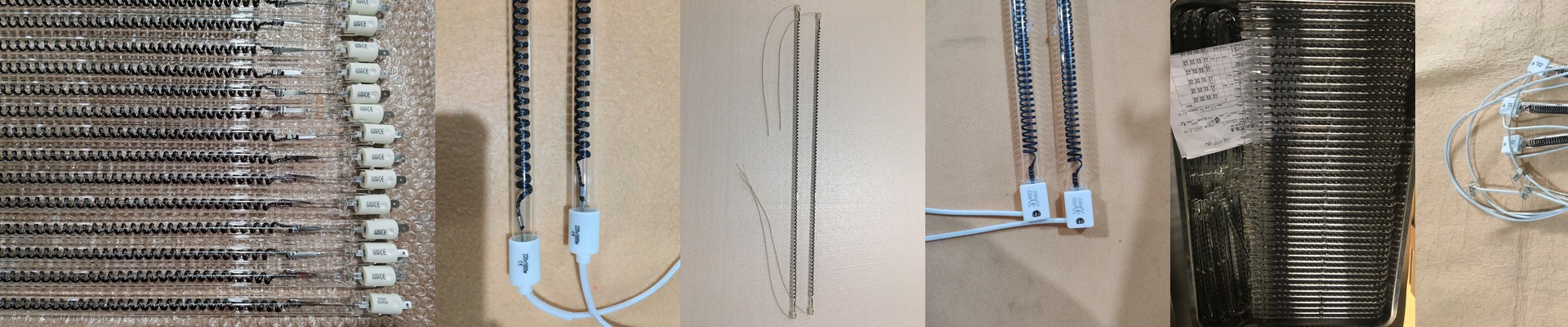
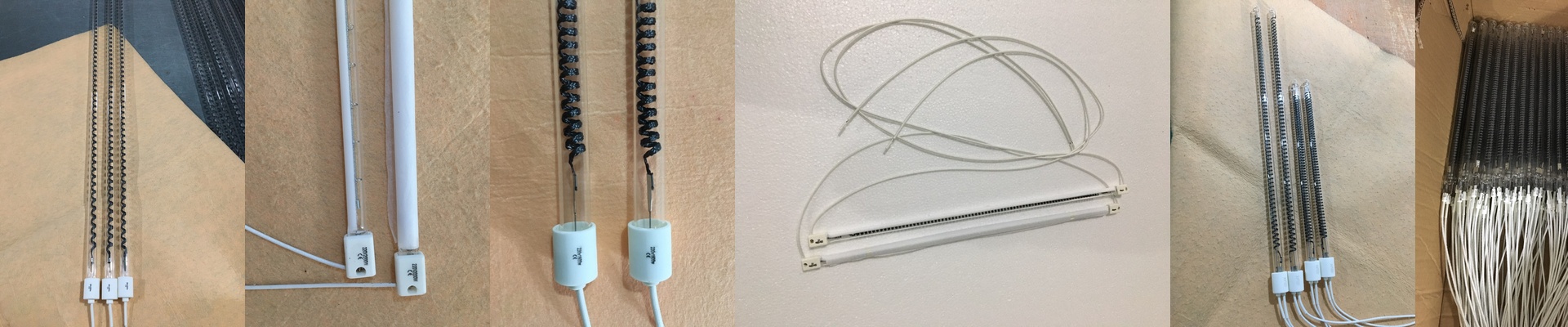
The carbon elements are the secret sauce. They put out a broad infrared spectrum, which means you get more even heating across different materials. And the quartz envelope? It just shrugs off thermal shock and keeps the element safe inside. The R7s base is a no-brainer. It’s a proven industrial connector that gives you a solid, reliable connection. Swapping one out is as simple as it gets. The whole design is a balance of keeping the heat in and making it tough enough for the job. Just remember, it needs proper airflow around the tube so the end caps don’t get too hot.
Application & Benefits
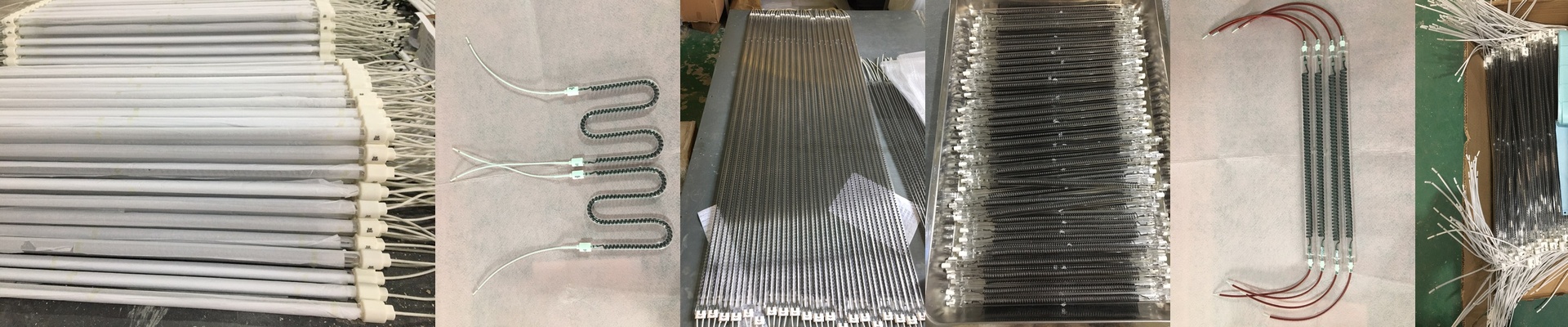
This tube shines in places where a fast response is critical—think drying, curing, thermoforming. It hits its operating temperature in a flash and holds that output steady, so you can keep your cycles consistent and repeatable. Because it’s compact, it slips right into existing equipment without a fuss. And the wiring is straightforward, so a replacement means minimal downtime. But here’s the trade-off, and it’s a fair one. That high heat density means your machine’s cooling and insulation have to be up to the task. Make sure they’re spec’d to match.