Stop Guessing With Your Heat Lamps: The Move to Smart Heating
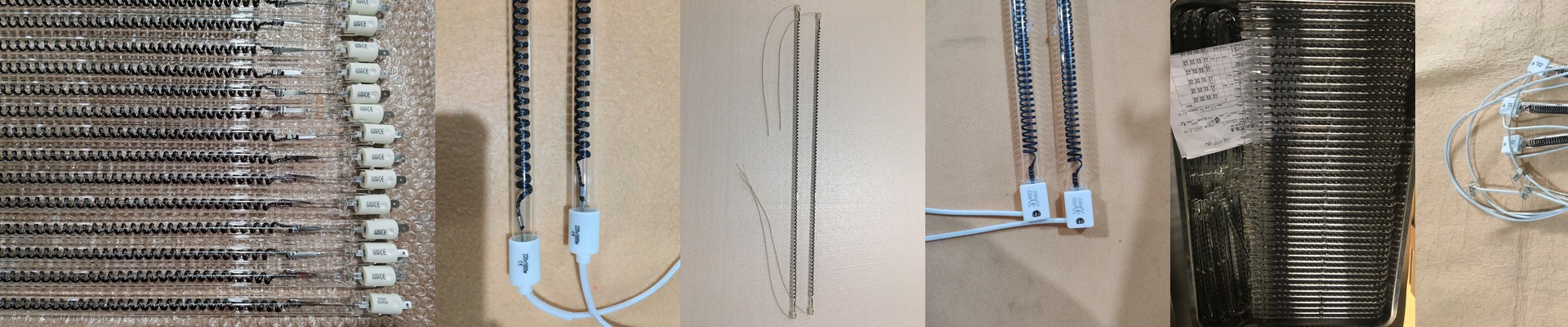
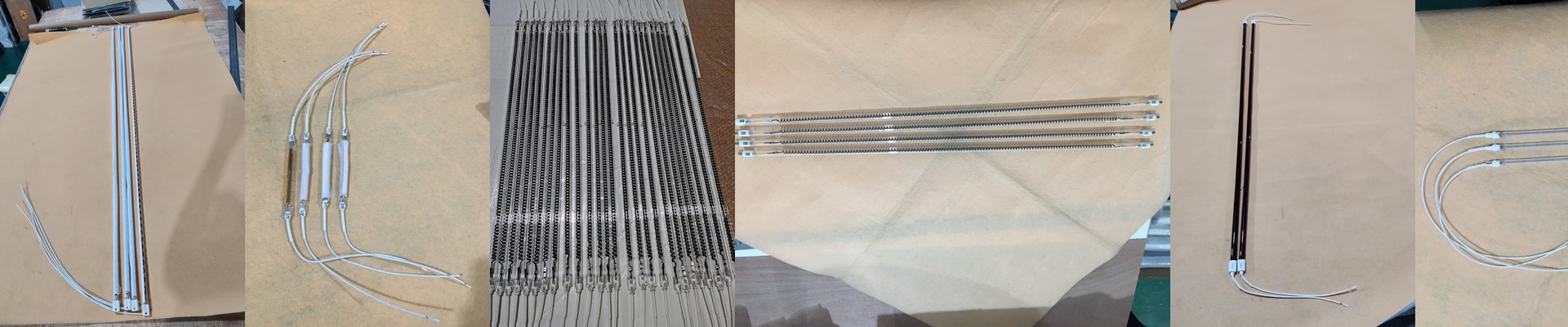
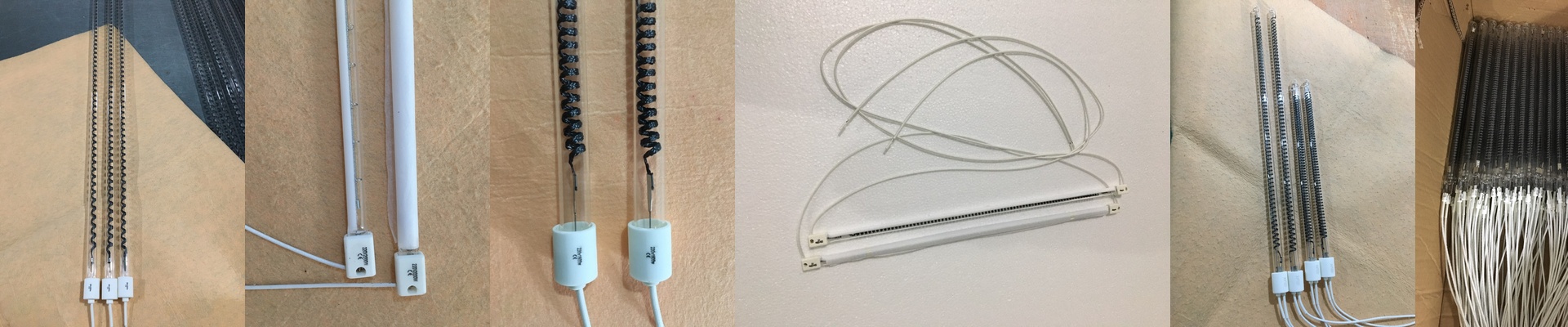
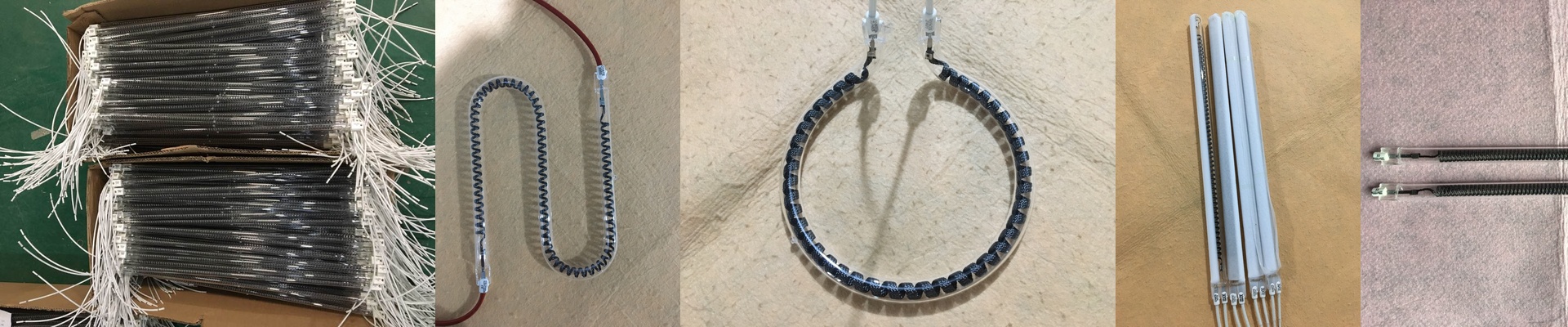
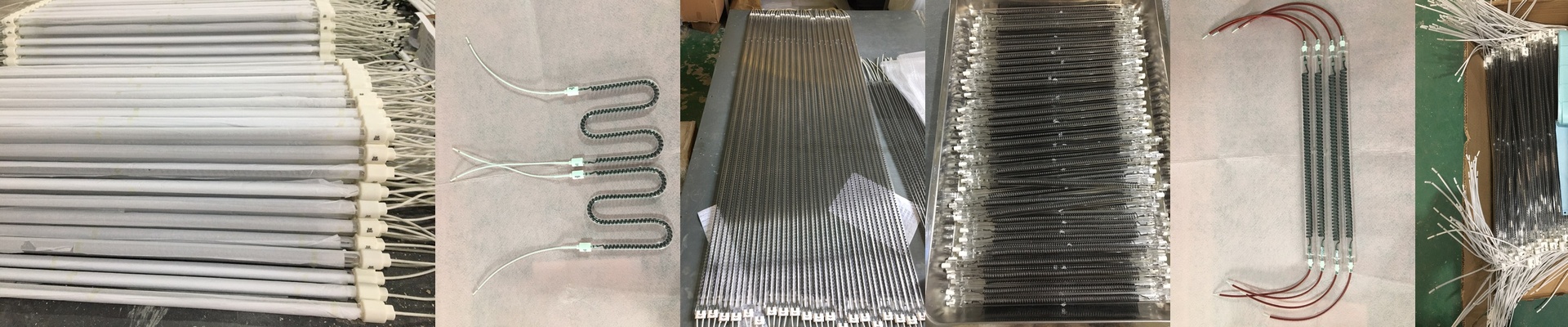
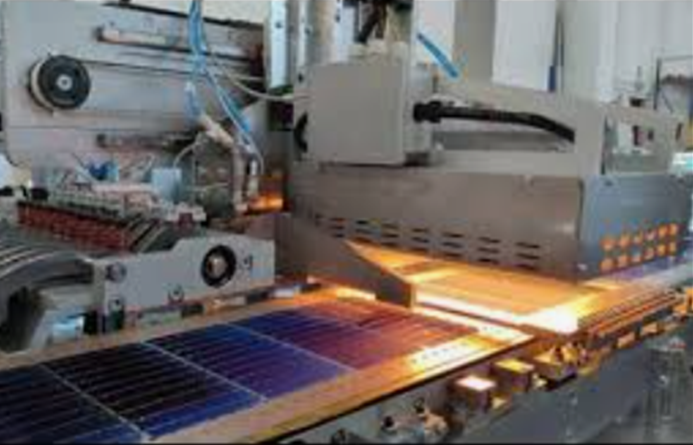
When you’re repairing a phone, heat is your best friend and your worst enemy. You need it to soften those stubborn adhesives, but one second too long and you’ve just cooked an OLED panel or pushed a battery too far. It’s a nerve-wracking balance. For a long time, we’ve relied on “dumb” lamps. You turn a dial, hope for the best, and pray you don’t warp the chassis. We’re moving past that. The science of not melting your phone Most of these lamps use quartz-halogen elements to shoot short-wave infrared light straight through the back glass. It’s fast. But it’s also risky. If you cram too much power into a tiny area, you get hot spots. To fix that, we spend a lot of time balancing the voltage and the length of the filament. The goal is simple: a smooth, even spread of heat across the whole device so you aren’t playing a guessing game with the temperature. Giving the machine a brain Here is where things get interesting. Instead of just trusting a knob on the side of the machine, we’re adding a feedback loop. We’ve started embedding thermocouples and IR sensors that actually “see” the surface temperature of the phone. It’s like giving the lamp eyes. Plus, the system knows when it’s dying. If a filament starts to degrade or the output dips, the controller flags it. You get a heads-up that you need a new lamp before it burns out right in the middle of a high-stakes job. The trade-offs Of course, nothing is perfect. Adding sensors means more wires. You aren’t just swapping a bulb anymore; you’re managing a data stream. And since these sensors are sensitive, they hate “dirty” power. If your shop’s wiring is a mess or you’ve got a ton of electrical interference, you’ll need shielded cabling. Otherwise, the sensors get confused and start throwing false alarms. The bottom line We built these to drop right into your current workstation. The idea is to take the stress out of the process. You just pick your target temperature, and the system handles the ramp-up and the soak time based on what’s actually happening on the bench. Less worrying. More fixing.