Getting the Most Out of Carbon Heat Lamps
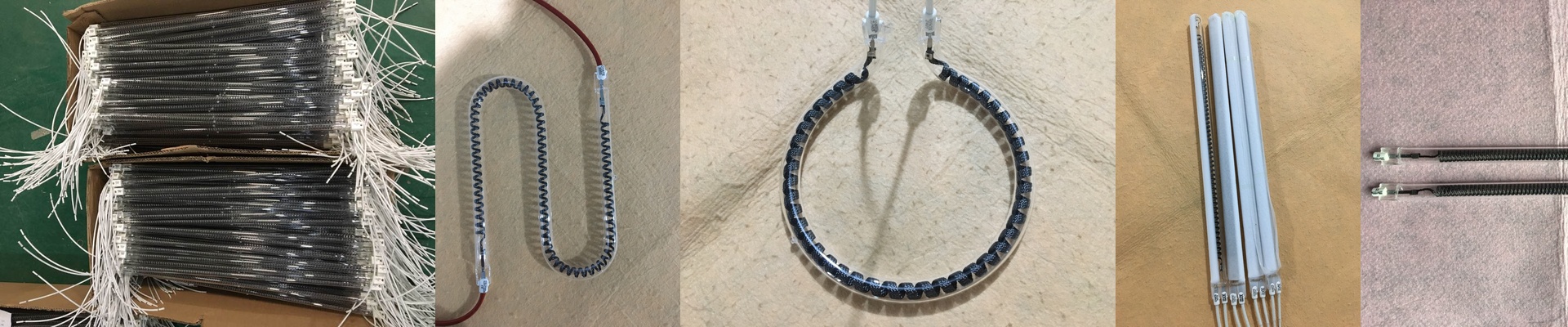
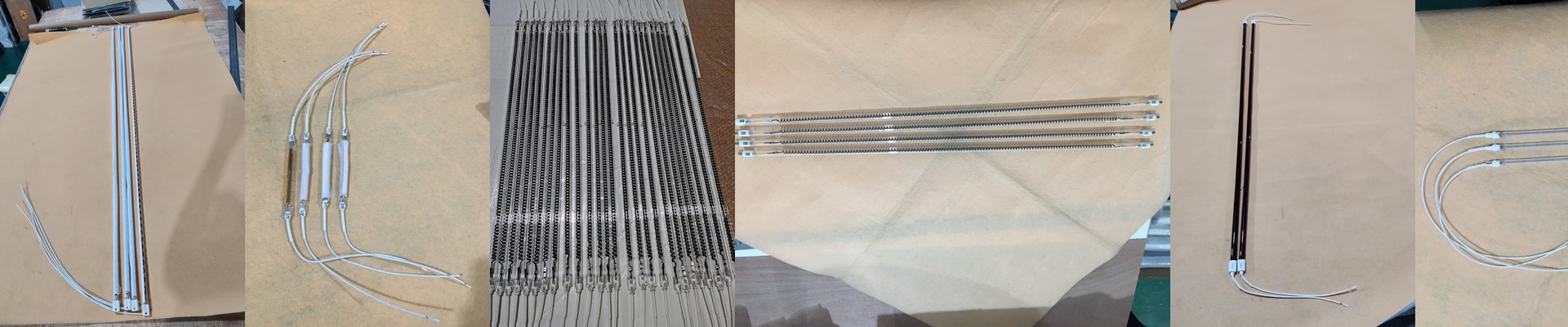
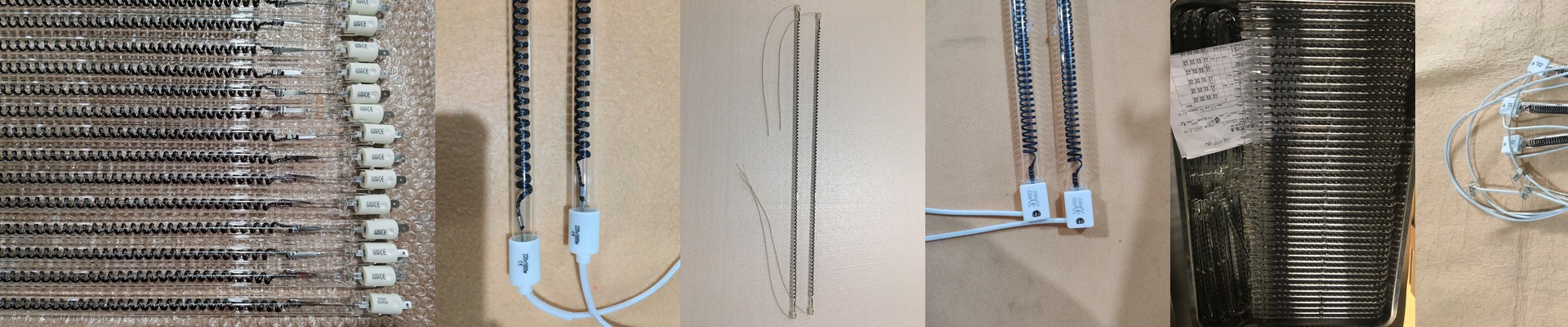
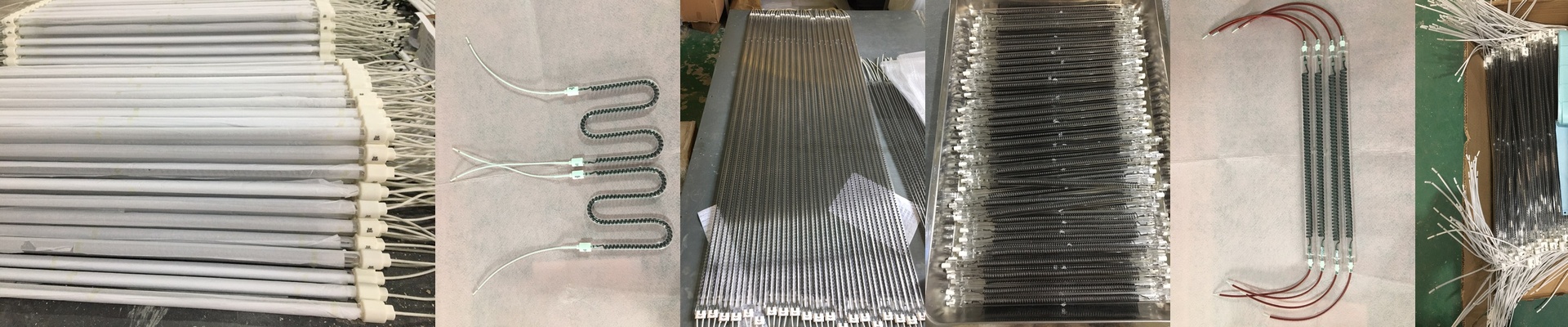
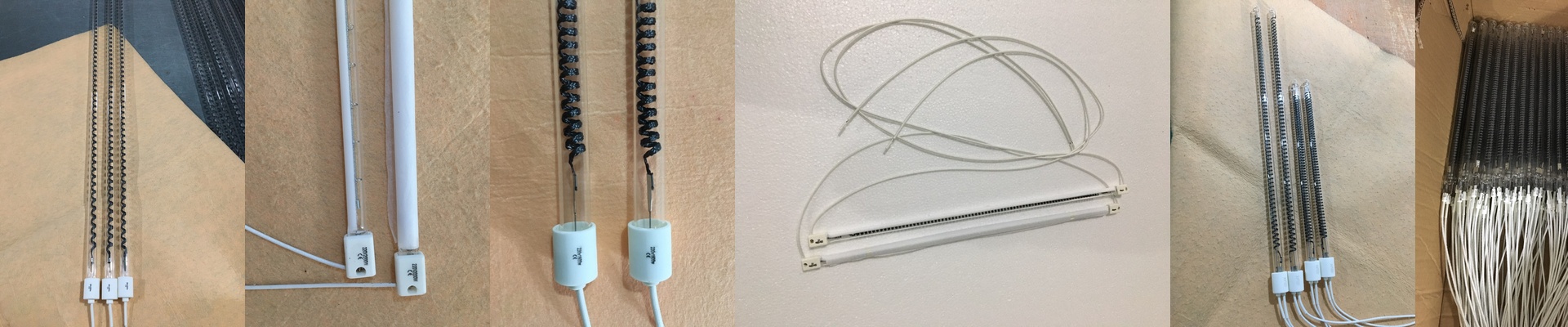
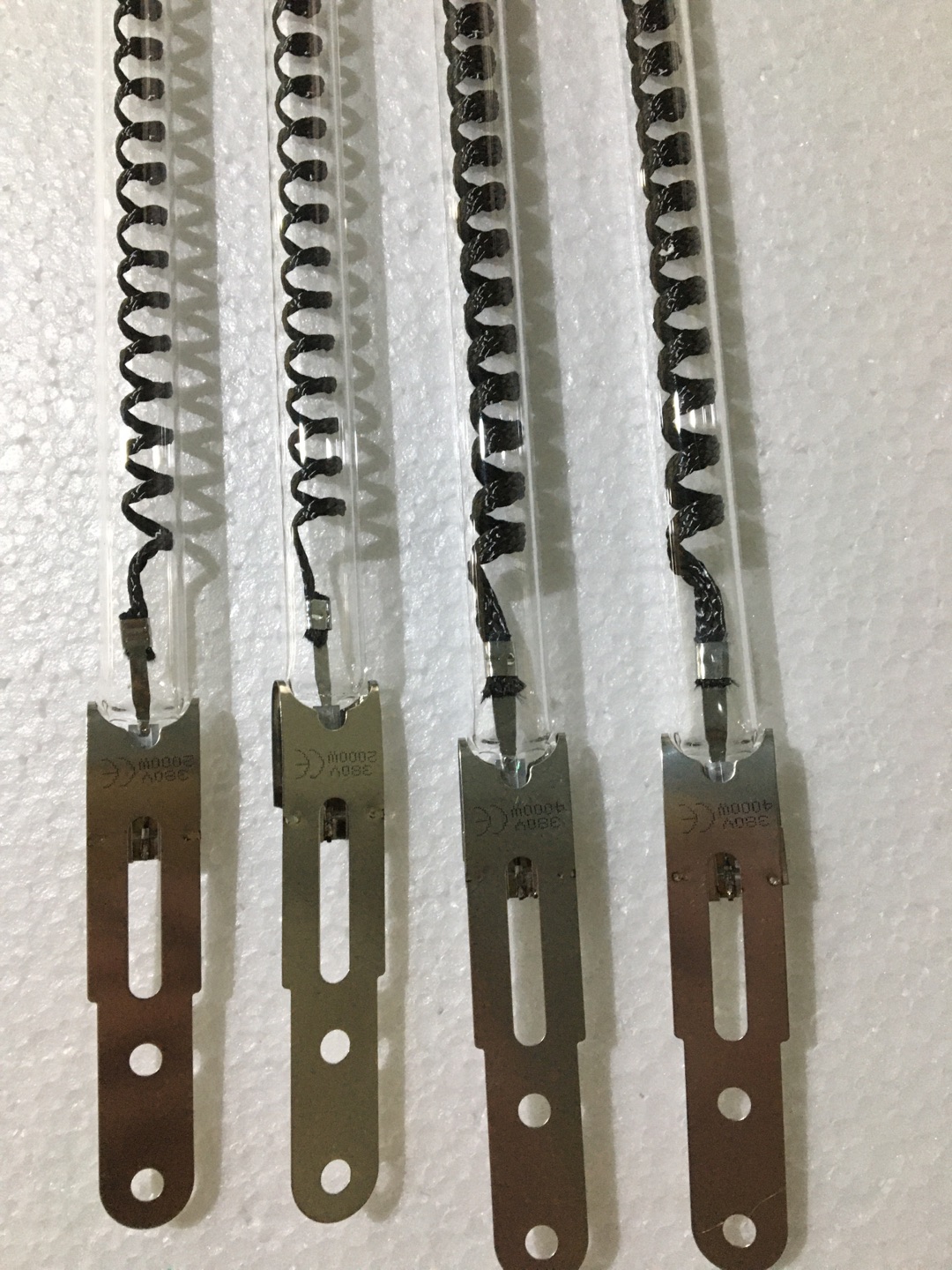
We build these IR carbon lamps for one reason: speed. Most lamps use standard wire filaments, but we went with carbon. Why? Because it lets us cram way more power into a smaller space. You get shortwave infrared that actually digs deep into your materials instead of just warming the surface. It’s fast. Really fast. The deal with power and voltage When you’re picking your lamp, the voltage-to-wattage ratio is what really decides how “dense” your heat is. If you go with a high-voltage setup, you can use longer tubes without the temperature dropping off at the ends. You get a nice, even heat across the whole thing. But a word of warning: if you’re running a 2000W+ tube, your power supply has to be rock solid. One bad voltage spike and you’ll fry that carbon element in a heartbeat. The nuts and bolts We wrap the carbon in high-purity quartz glass. It keeps the filament from oxidizing (which would kill the lamp) while letting the IR waves slide right through. For the connections, we usually stick with R7s or Sk15. We use these because they actually stay put. There’s nothing worse than a loose connection that starts arcing when you’re pulling high current. Plus, we can add special coatings to some tubes. This lets you aim the heat exactly where you need it without accidentally baking the air around your project. Putting it to work You’ll see these all over PET blowing and industrial curing lines. The best part is the ramp-up time. You don’t have to stand around for an hour waiting for your machines to warm up. You just flip the switch and you’re at peak heat in seconds. But here’s the catch. That intense heat puts a lot of stress on your reflectors. If they get dirty or pitted, your efficiency just tanks. You’ll be wasting energy and wondering why the heat isn’t hitting right. Also, double-check your cooling fans. If they aren’t sized correctly, those lamp ends will overheat, and that’s a headache you don’t want.