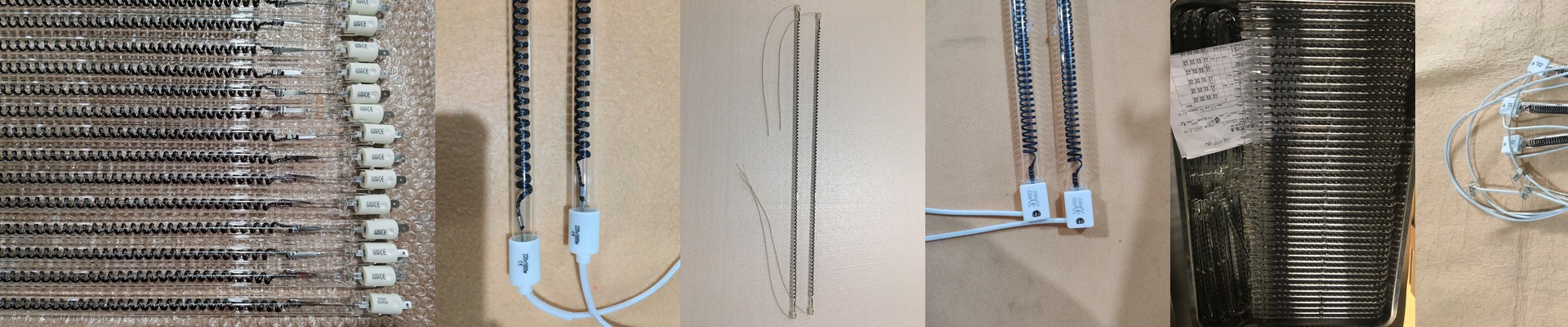
Why 99.99% Purity Actually Matters for Your Quartz
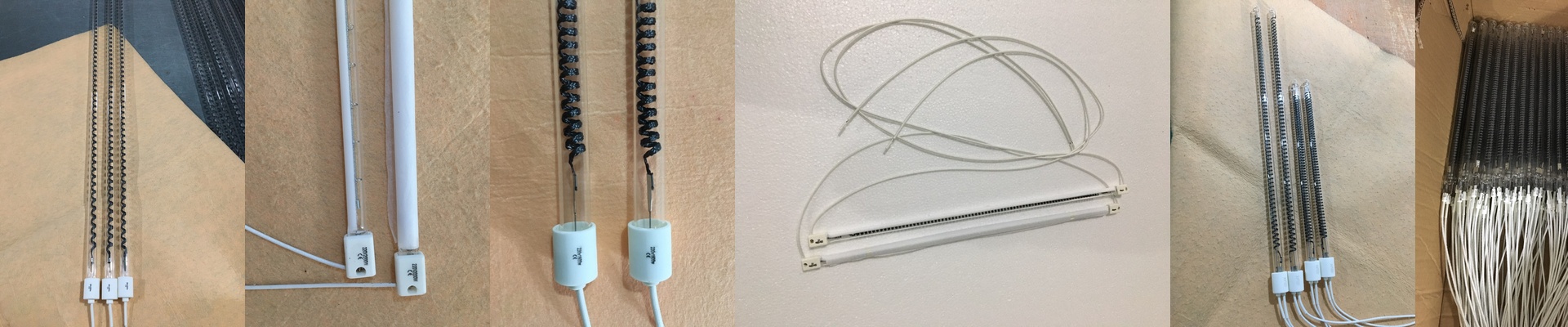
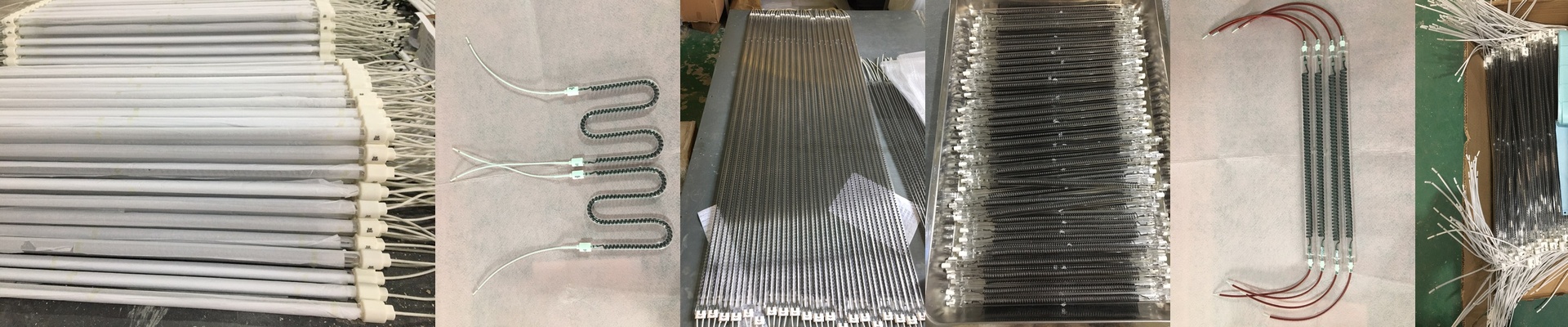
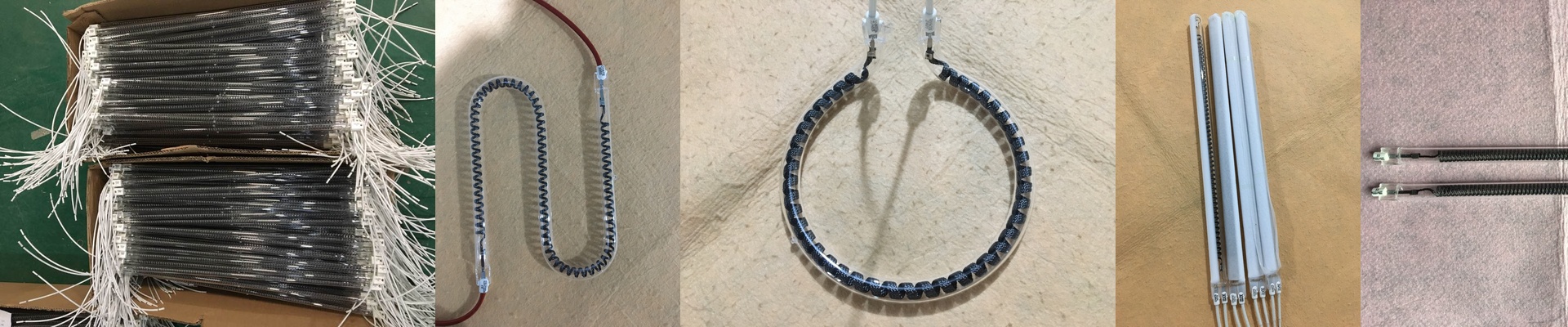
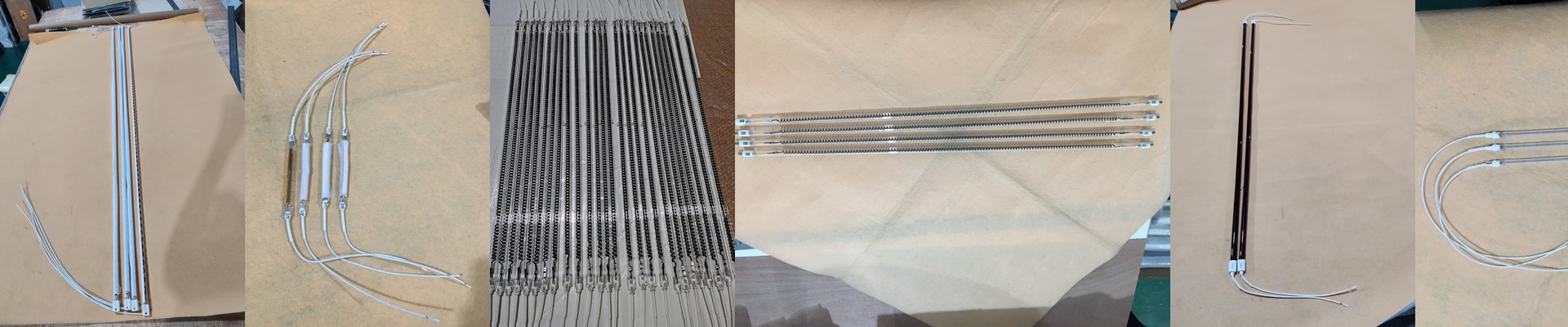
When you’re building semiconductor gear or high-end electronics, the quartz glass in your heating elements and viewing ports isn’t just some passive shell. It’s more like a filter. And here’s the problem: if that quartz isn’t pure, it starts acting like a wall. It blocks the infrared (IR) energy you’re paying for, and suddenly you’re fighting your own equipment.
The deal with purity and IR
Most standard quartz has tiny bits of aluminum, iron, or titanium hiding in it. You can’t see them, but the IR radiation can. Those impurities soak up the heat, trapping it inside the glass wall instead of letting it hit your wafer or substrate. That’s why we push for 99.99% purity (what the pros call 4N). When you strip those contaminants out, the glass basically disappears for short-wave and medium-wave IR. The energy just flows. Because the window is so clear, your target gets the heat it needs much faster. You can even dial back the power on your lamps and still hit your temperature targets. It’s just more efficient.
The trade-off (and the headache)
Now, high-purity quartz is great for thermal shock. You can crank the heat up and down quickly without worrying about the whole thing shattering. But there’s a catch. This stuff is incredibly sensitive to surface grime. A single fingerprint or a tiny smudge of machine oil is enough to create a “hot spot.” The heat builds up in that one little spot, and before you know it, your tube burns out. You have to keep these surfaces surgically clean—no shortcuts.
Making it work in the real world
When you use 99.99% quartz, your thermal profiles get much tighter. You’ll notice the ramp-up times are faster and the heat spreads evenly across the workpiece. Plus, if you’re trying to keep your energy bills down, this is the way to go. You stop wasting kilowatts just to heat up a piece of glass and start putting that energy exactly where it belongs: into the product.