Stop Guessing with Your SMT Heat: Making IR Lamps Actually Talk
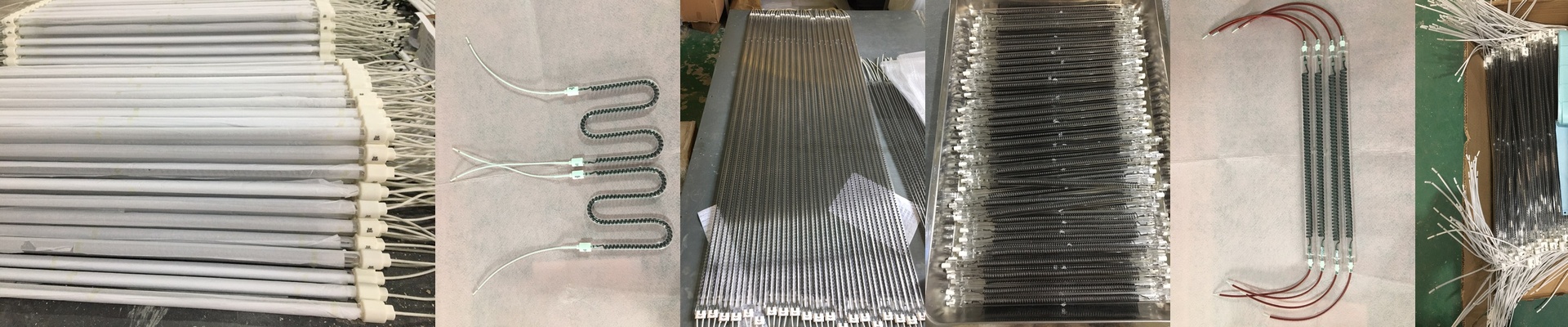
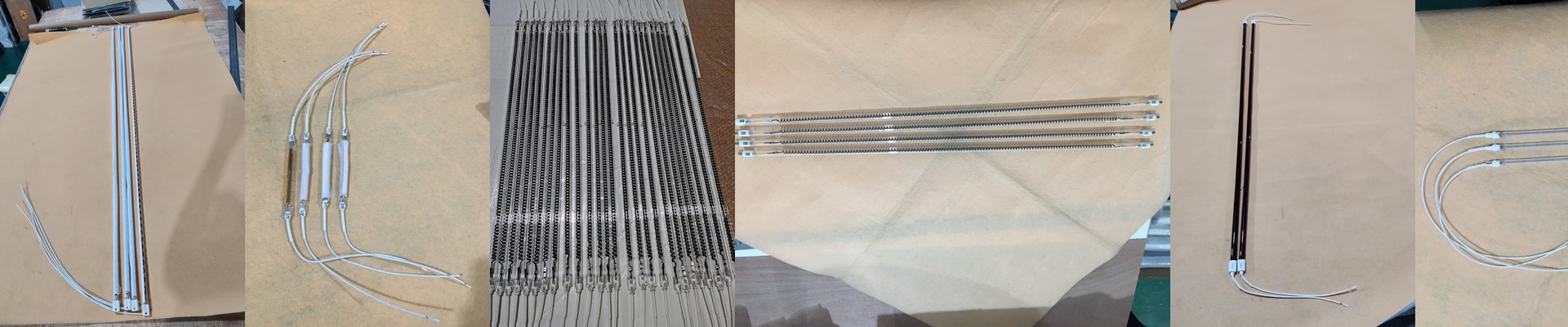
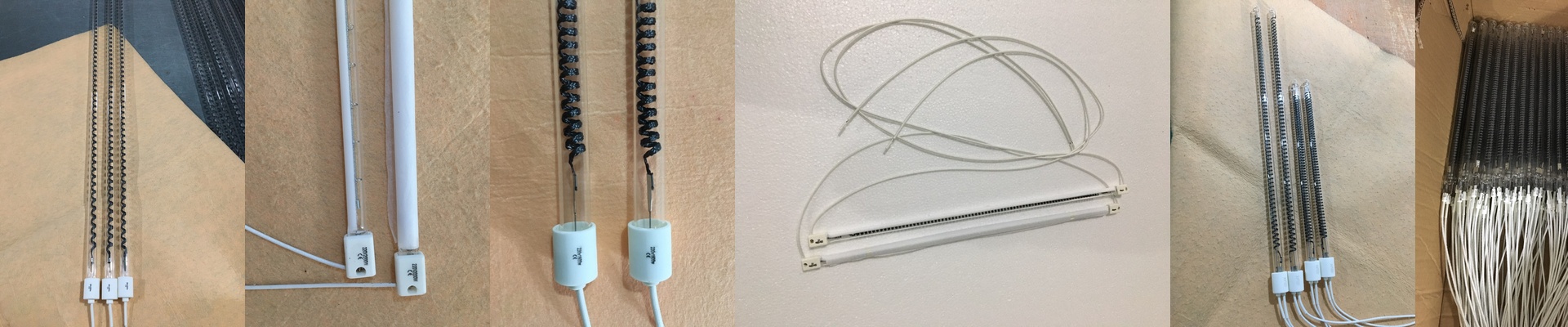
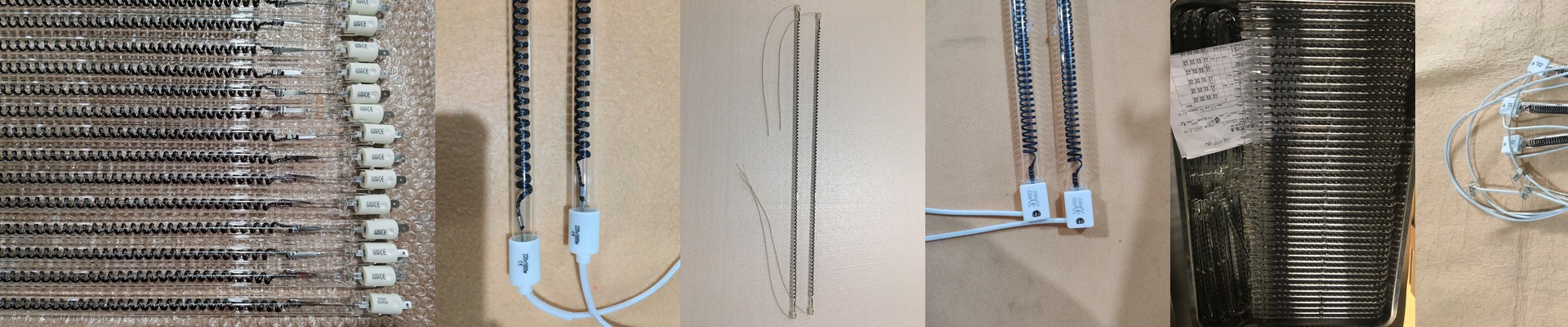
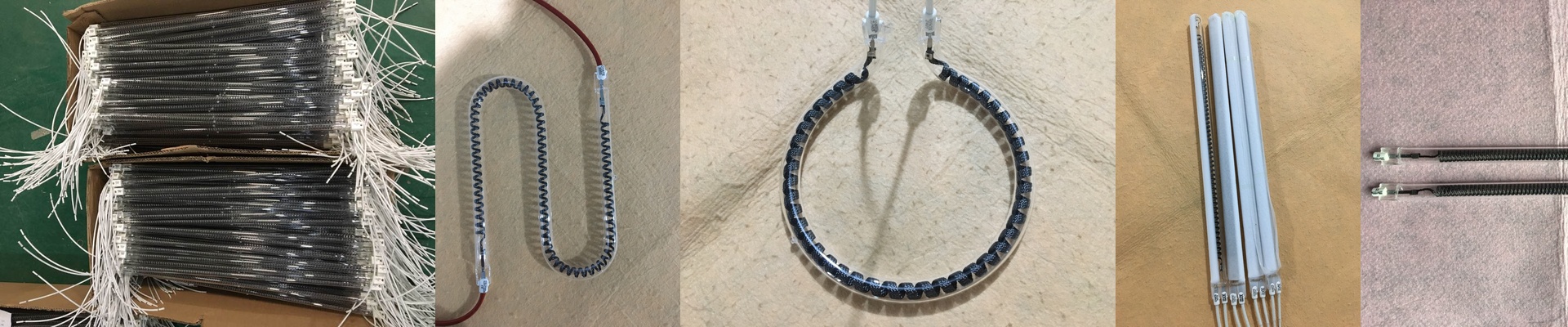
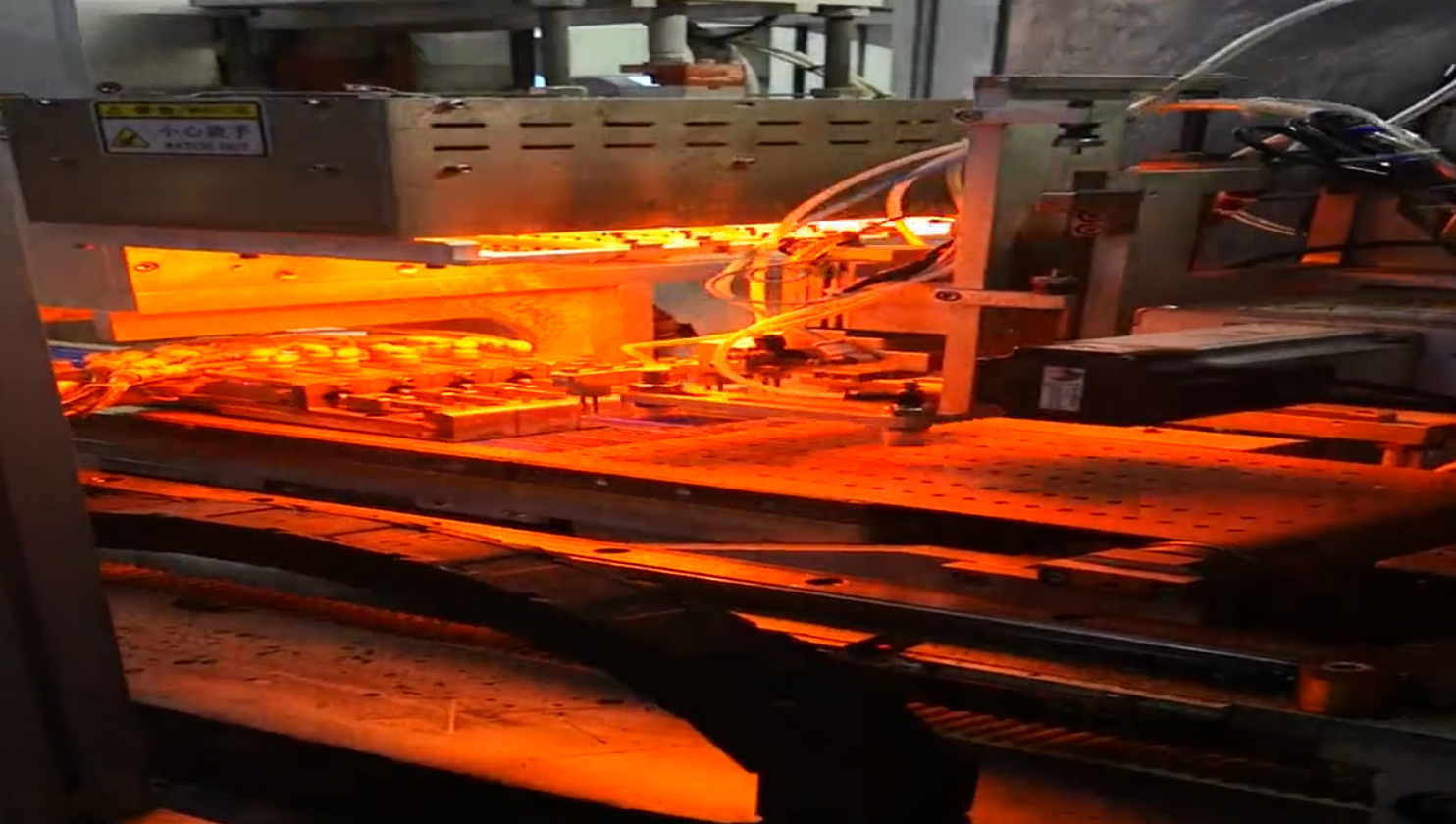
Let’s be honest about SMT lines. For a long time, infrared lamps have been “dumb” tools. You plug them in, set a temperature, and just pray they don’t burn out in the middle of a busy shift. It’s a lot of crossing your fingers. But we’re finally moving away from that. We’re getting to a place where these lamps actually talk to the PLC. The hardware side of things Most of us use standard quartz tubes because they pack the punch needed for fast preheating. The problem? They don’t tell you how they’re doing. By putting sensors right into the lamp housing, we can keep an eye on the filament health in real-time. Instead of finding out a tube died after you’ve already scrapped a mountain of PCBs, the system catches a voltage drop or a thermal dip before the boards even go out of spec. It’s a huge relief. Getting them to “talk” To make this work, you can’t just use basic wiring. You need smart controllers. We’re talking about adding current sensors and thermocouple feedback loops directly into the lamp’s footprint. This is the cool part: you stop tracking how much power you’re pumping into the lamp and start tracking the actual heat hitting the board. You basically get a digital mirror of your thermal profile. The catch (because there’s always one) Here’s the thing: electronics and extreme heat don’t get along. Shortwave IR tubes get hot enough to melt just about anything. If you’re building this, you have to be smart about isolating the circuitry or using high-temp cabling. Otherwise, your “smart” system becomes a melted mess. Also, make sure your cooling fans are up to the task, because those onboard controllers add their own bit of heat to the mix. What this actually means for the shop floor For the engineers, the days of manual audits and guessing at lamp intensity are over. You just look at a screen. When a tube starts to drift, you don’t panic. You just swap it out during your next scheduled break. It turns a chaotic, reactive repair into a simple task on a calendar. Much better for everyone’s stress levels.