A No-Nonsense Guide to Carbon Fiber IR Lamps
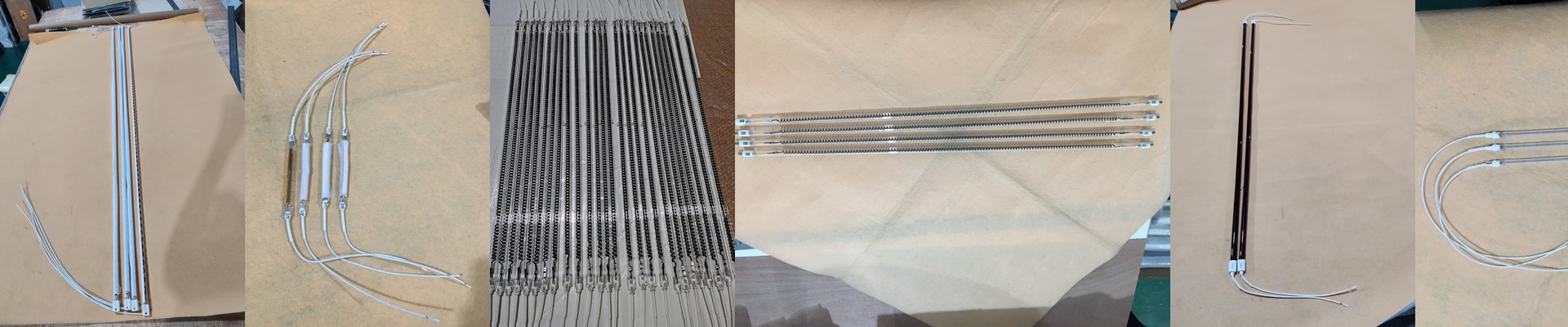
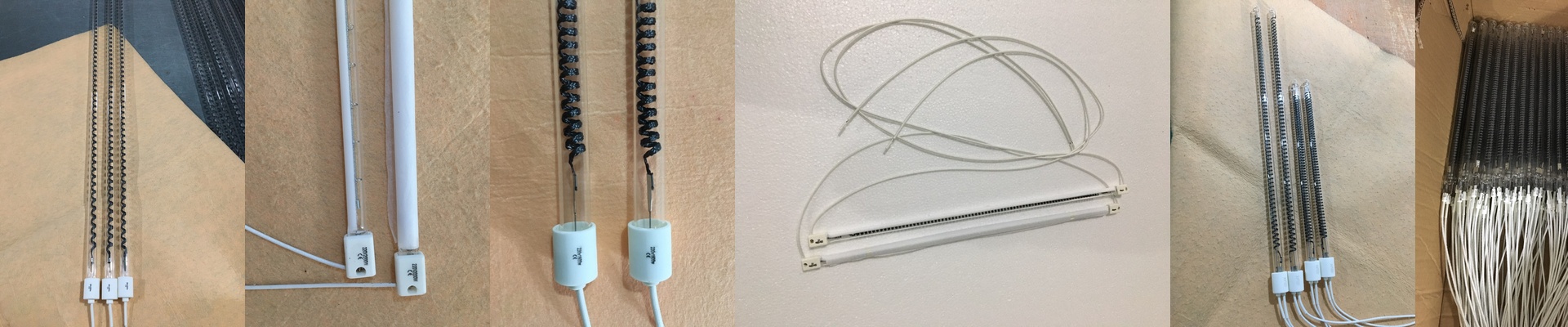
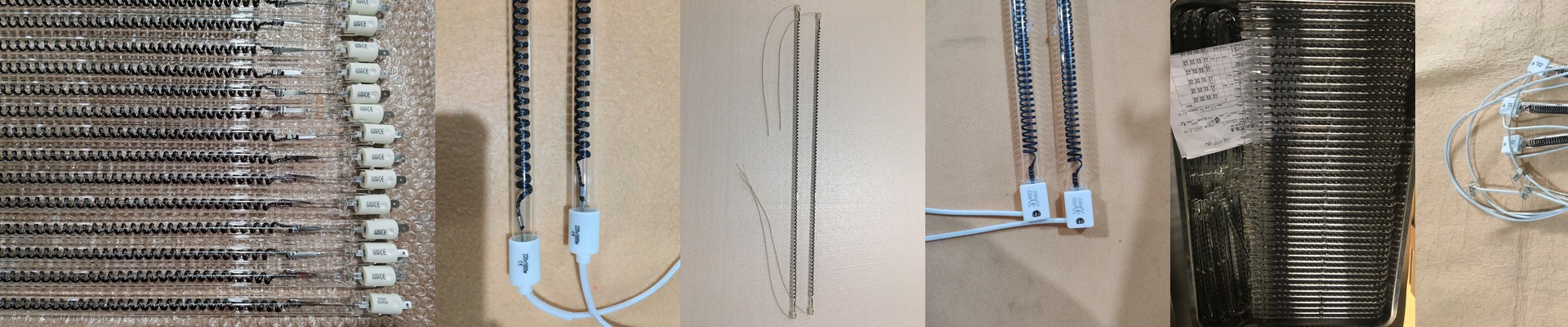
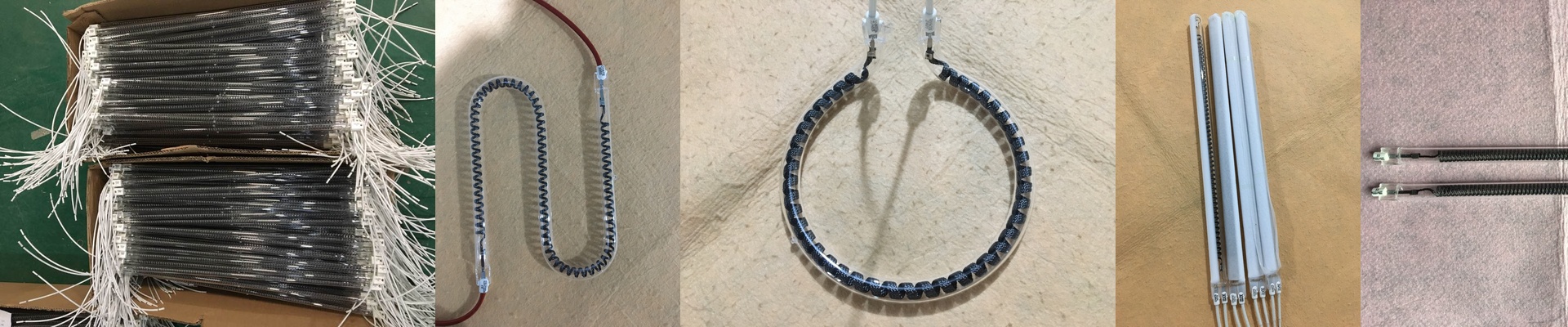
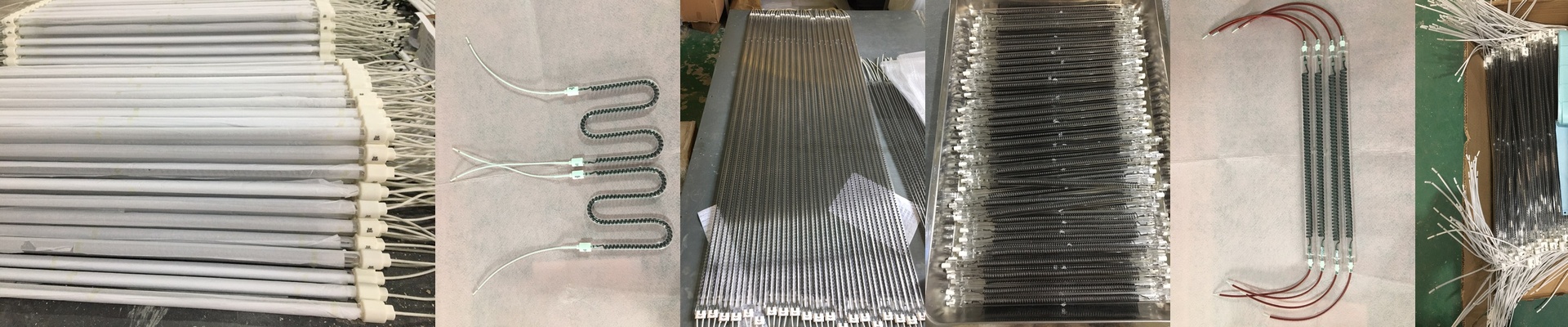
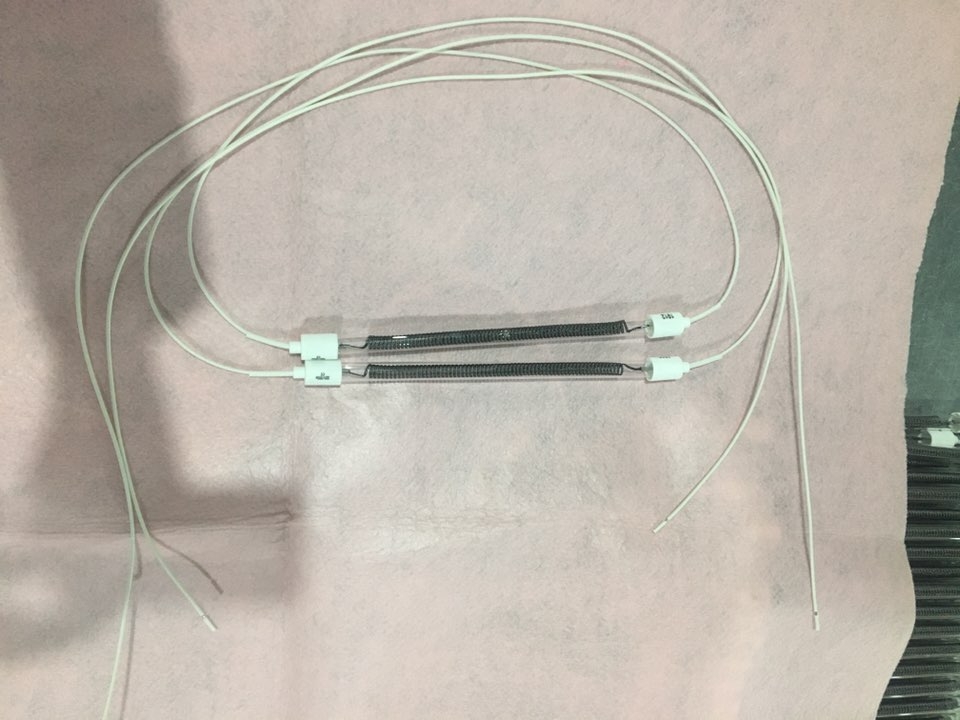
If you’re used to standard metal-wire heating elements, carbon fiber is a bit of a different beast. Instead of the usual wire, we use a carbon fiber filament tucked inside a quartz envelope. The big win here? It hits operating temperature way faster. You get a much tighter concentration of medium-to-shortwave radiation, which basically means the heat gets where it needs to go without wasting time. Talking Power and Heat When you’re picking your lamps, it really comes down to voltage and wattage. That’s what controls your heat flux. If you’re doing PET blowing or rapid curing, you’ll want those high-wattage tubes to get that intense thermal density. We build these to fit whatever power grid you’re already running. But here is a heads-up: if you cram a high-wattage tube into a tiny space, your housing needs to be able to take the heat. If you skimp on ventilation, you’re just going to fry your connectors. It’s a messy way to end a workday. The Build and the Connections That quartz glass isn’t just for show—it stops the carbon filament from oxidizing and burning out. Depending on what you’re doing, we can add different coatings if you need to shift the wavelength or spread the heat out a bit more. For the wiring, we stick to the basics: R7s or Sk15 interfaces. They’re designed to be drop-in replacements for most IR arrays, so you aren’t rebuilding your whole system just to swap a bulb. Plus, we use heat-resistant connectors. This is huge if your equipment vibrates a lot. Without a secure fit, you’ll get arcing at the terminals, and that’s usually where these things fail. Using Them in the Real World These lamps are perfect for when you need to move heat now without having to warm up all the air in the room. That’s why you see them everywhere in automotive paint drying and plastic shrink tunnels. Since carbon fiber doesn’t hold onto heat as heavily as tungsten does, the ramp-up is almost instant. It gives you a lot more control over your heating cycle. One last thing: be gentle. That quartz envelope is fragile. One wrong move or a hard bump during installation will crack the tube, and your lamp is toast. Handle them with care, and they’ll do the heavy lifting for you.