Getting the Heat Right for Smartwatch Glue
If you’ve ever tried to open a smartwatch, you know the struggle. You need enough heat to soften that stubborn adhesive, but one second too long and you’ve fried the OLED screen or cooked the battery. It’s a tightrope walk. Most people just crank up the wattage on an IR lamp and hope for the best. But here’s the thing: wattage isn’t actually what makes the process fast. It’s all about thespectral match.
Why some lamps just work better
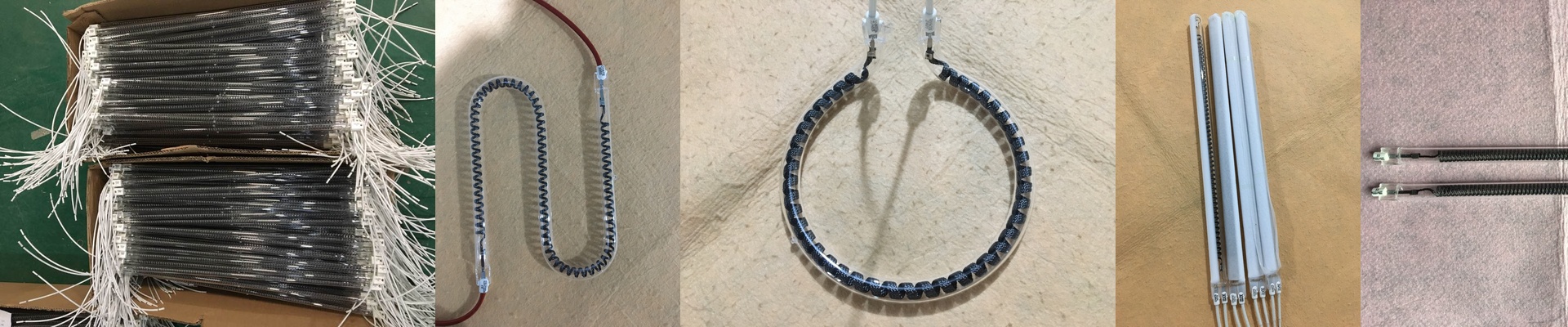
Think of it like a radio station. If you aren’t tuned to the right frequency, you just get static. Most of these glues are polymers that only “listen” to specific wavelengths of light. If you use a generic heat lamp, a lot of that energy just bounces off the glass or disappears into thin air. It’s a waste. But when the lamp’s peak wavelength hits the glue’s sweet spot? That’s when the magic happens. The glue drinks up the energy directly, breaking down the molecular bonds way faster. Plus, the heat actually gets into the bond line. You avoid that annoying “skin effect” where the top layer feels melted but the bottom is still tacky and holding tight.
Don’t melt your bezel
Because this kind of heat is so direct, it’s incredibly powerful. You can hit your target temperature in seconds. But be careful. It’s easy to overshoot. If you leave it too long, you’ll warp the plastic housing before you even realize it. I always suggest using a pyrometer to dial in your distance. It sounds overkill, but moving the lamp just 10mm closer can be the difference between a clean open and a melted bezel.
Choosing your tool
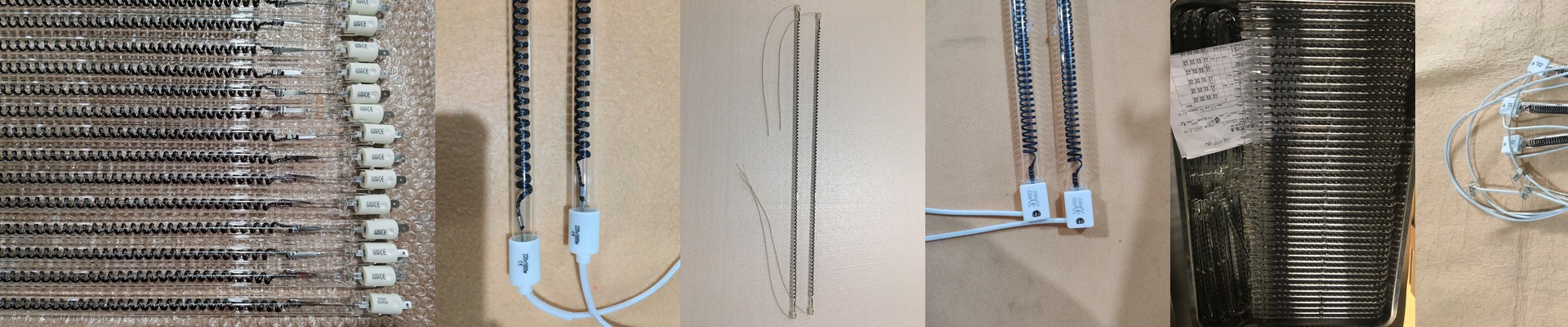
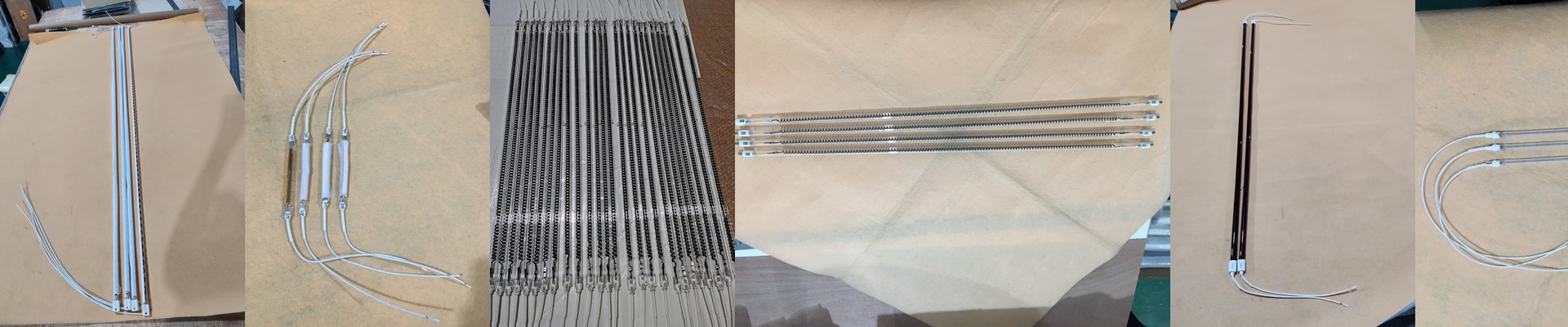
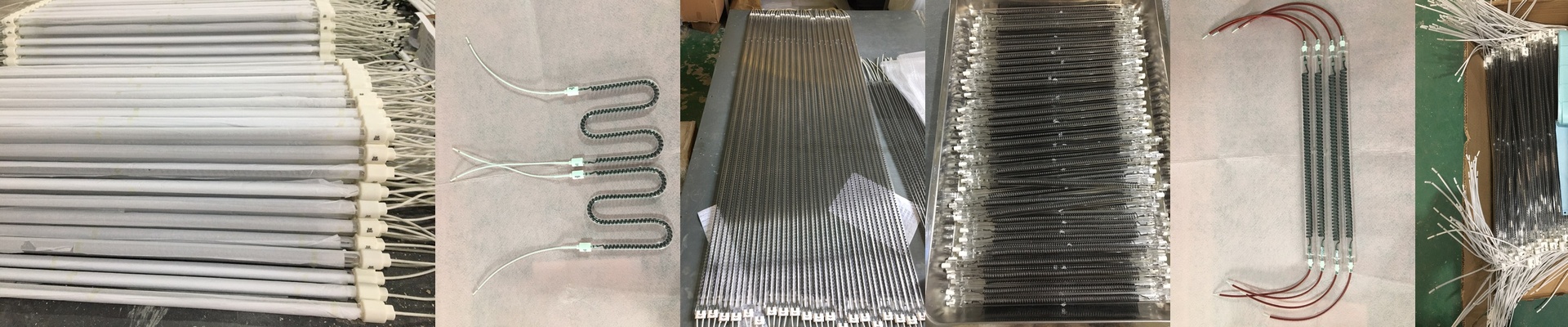
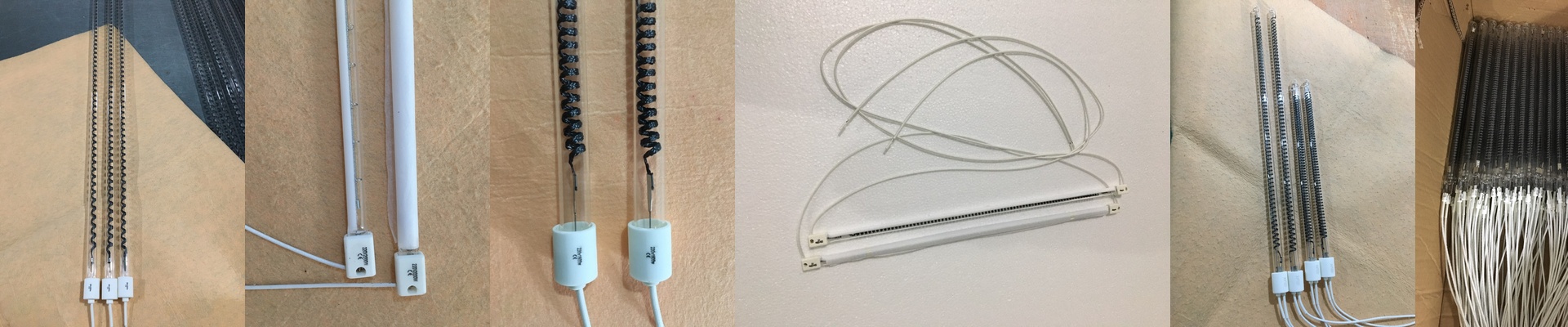
You’ve basically got two paths here. Short-wave IR is the speed demon. It’s fast and packs a punch, but it’s not very forgiving. If your alignment is slightly off, you’ll get hot spots. If you’re working with super sensitive sensors and want to take it slow, go with medium-wave lamps. It’ll take a bit longer to get the job done, but you’ll sleep better knowing you didn’t cook the internals.