Getting Your Format Printing to Dry Faster
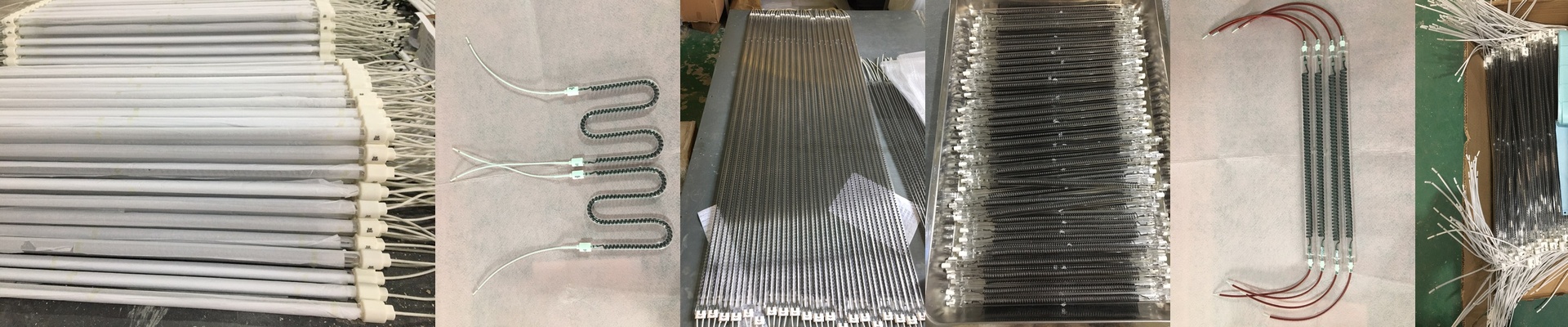
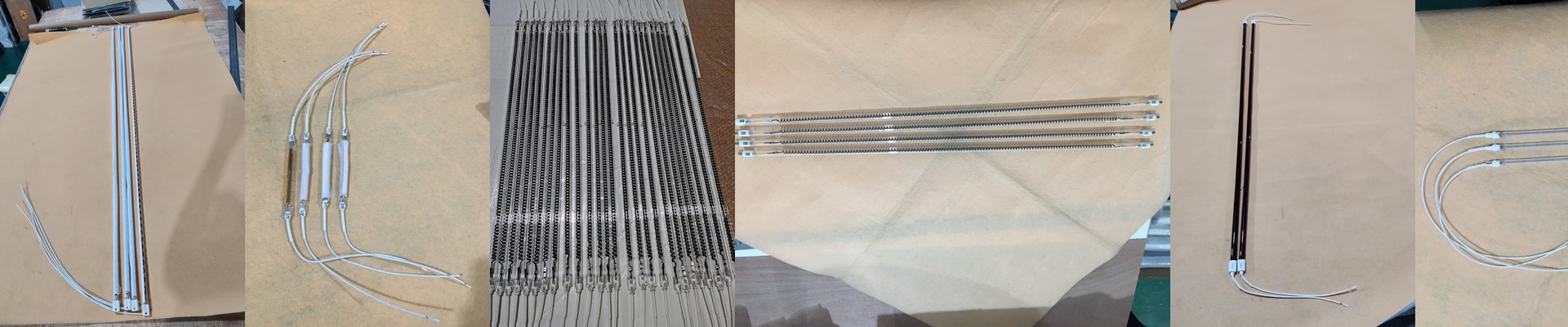
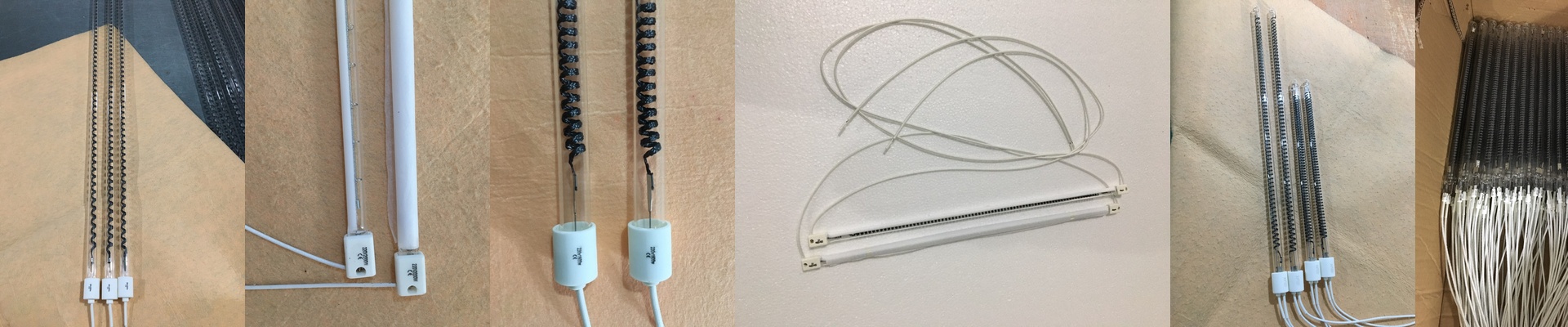
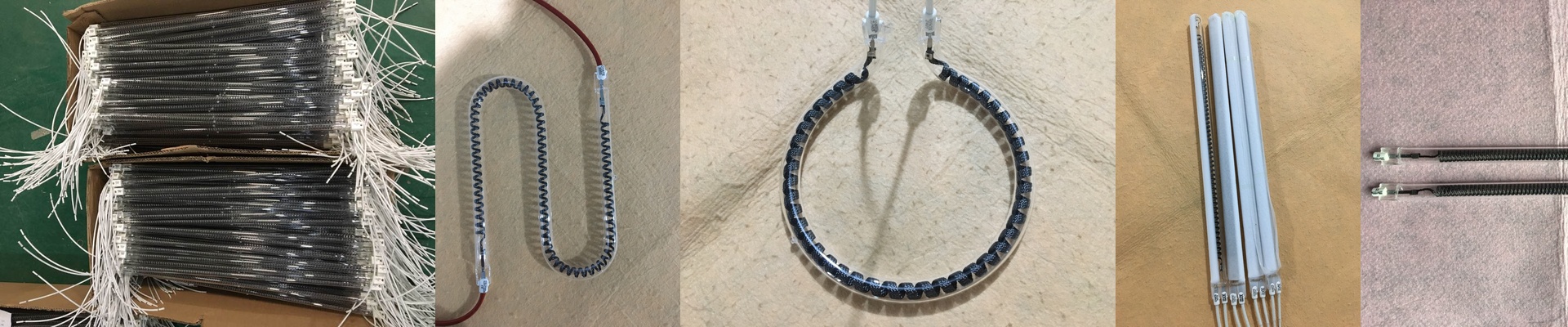
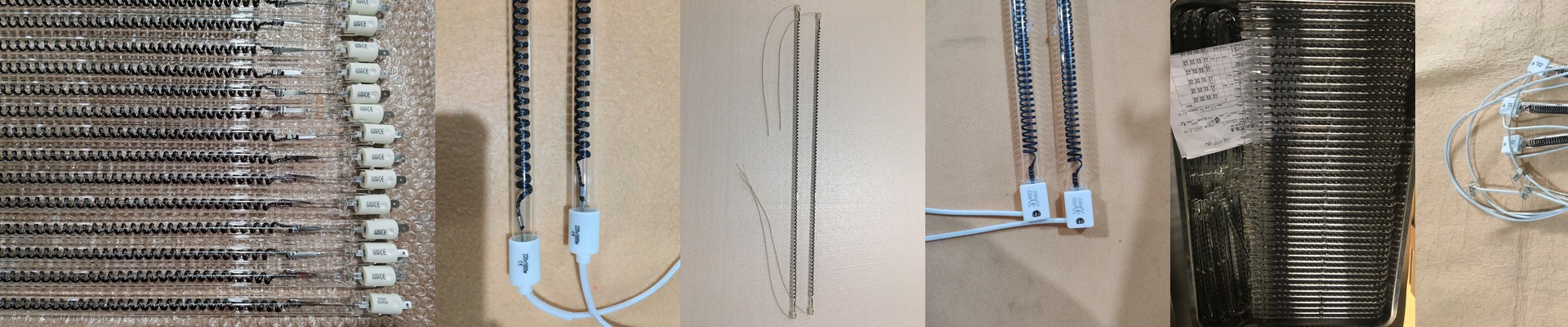
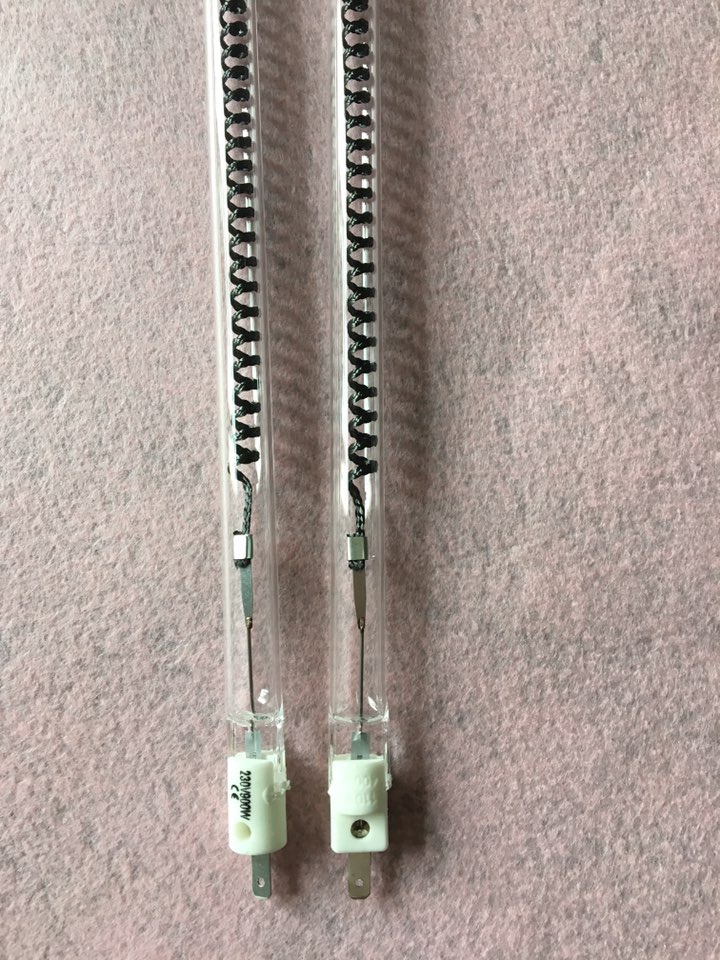
If you’ve ever dealt with smudged ink or prints that just won’t stick to the substrate, you know how frustrating it is. You need that ink cured now, not in five minutes. That’s why we lean on carbon fiber infrared lamps. Most folks are used to standard quartz heaters, but these are different. They use a carbon filament. The result? A wider heat spectrum and a response time that’s practically instant. Let’s talk heat. When we’re picking a lamp, it all comes down to how much heat you need hitting every square inch. These carbon fiber elements pack a punch. They hit your target temperature in seconds. But here’s the thing: you’ve got to be careful with your wattage and voltage. If you push it too hard just to dry things faster, you’re going to stress your electrical circuits and burn out the lamp way sooner than you should. It’s a balancing act. The nuts and bolts The filament lives inside a high-purity quartz tube. It keeps the gunk and air out while letting that shortwave radiation fly right through. We also stick to standard connectors—usually R7s or Sk15. Why? Because when you’re in the middle of maintenance, you don’t want to be fighting with weird wiring. You just want a tight fit so you don’t have to worry about electrical arcing at the terminals. A few things to watch out for The great part is that you can usually just swap these into your existing drying arrays. They fit right where your old halogen tubes were. Plus, that annoying warm-up lag? Gone. But wait—there’s a catch. Because they’re so efficient, they gethot. Really hot. If your machine doesn’t have great ventilation or some solid heat shielding, you might start warping your plastic parts or frying your control boards. You’ll also want to tweak your PID controllers. Since these lamps ramp up so fast, they can easily overshoot your temperature setting if you aren’t paying attention.