The Real Deal on Carbon Fiber Heating Elements
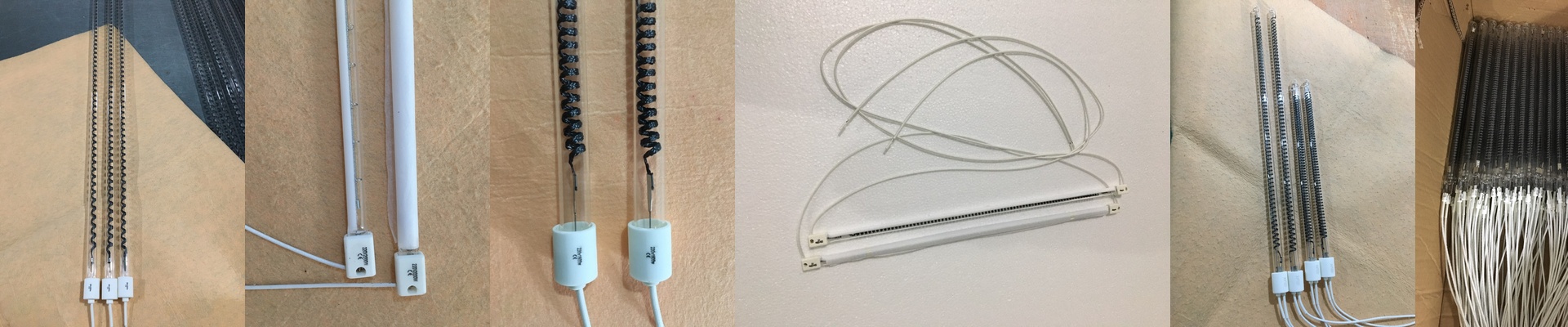
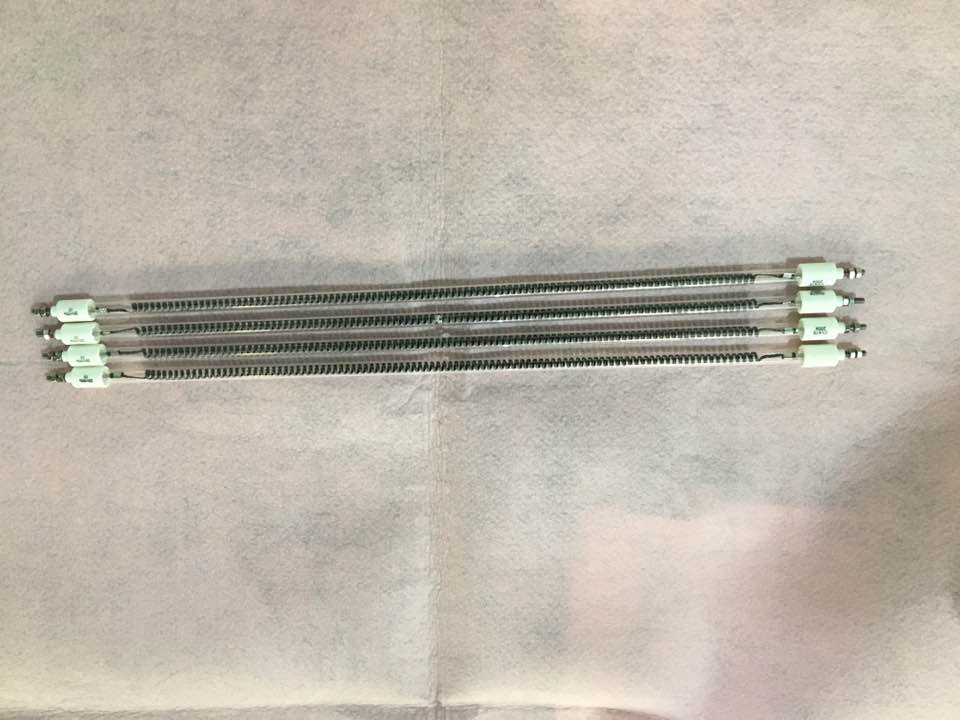
Let’s talk about carbon fiber heating. At its heart, it’s just resistive heating—electricity moving through carbon filaments. But here is where it gets interesting: unlike those old-school nichrome wires, carbon fiber puts out infrared radiation that actually sinks deep into whatever you’re heating. It doesn’t just sit on the surface.
Dealing with Power and Voltage
When we’re figuring out the wattage-per-centimeter, there’s a trade-off. If you go with a high-voltage setup, you can drop the current draw. That’s a win because you can use thinner wires without worrying about them melting or blowing out. But there’s a catch. High power density creates some serious heat spikes. You’ve got to make sure your housing and brackets are tough enough to handle that radiant heat, or they’ll just give up.
How They’re Actually Built
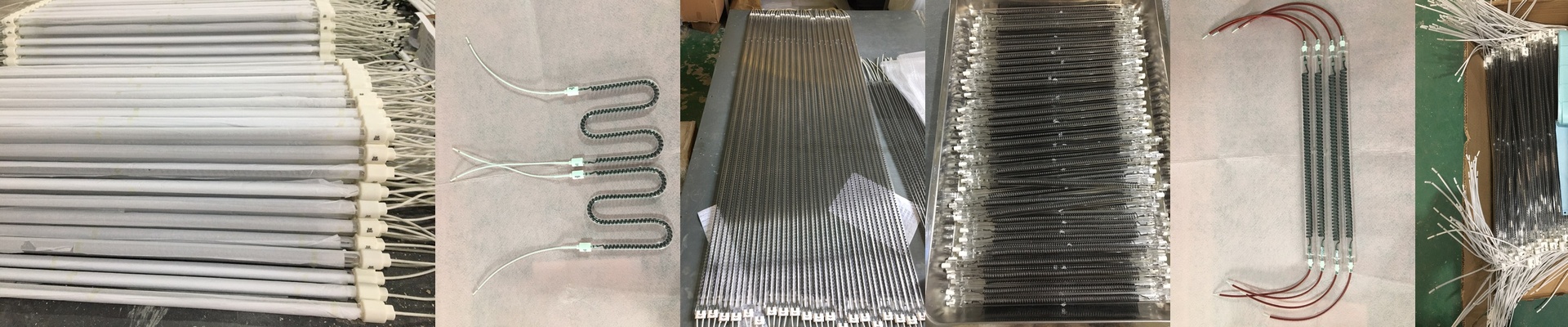
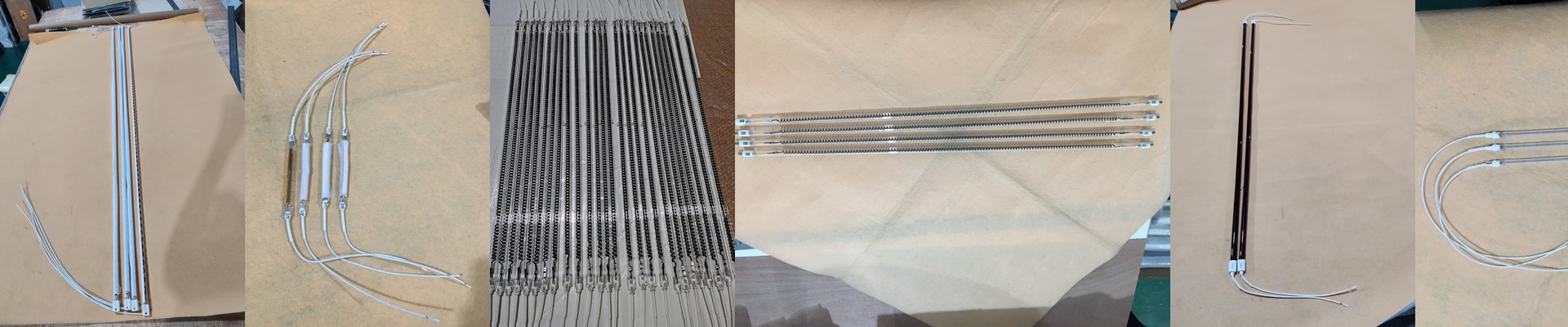
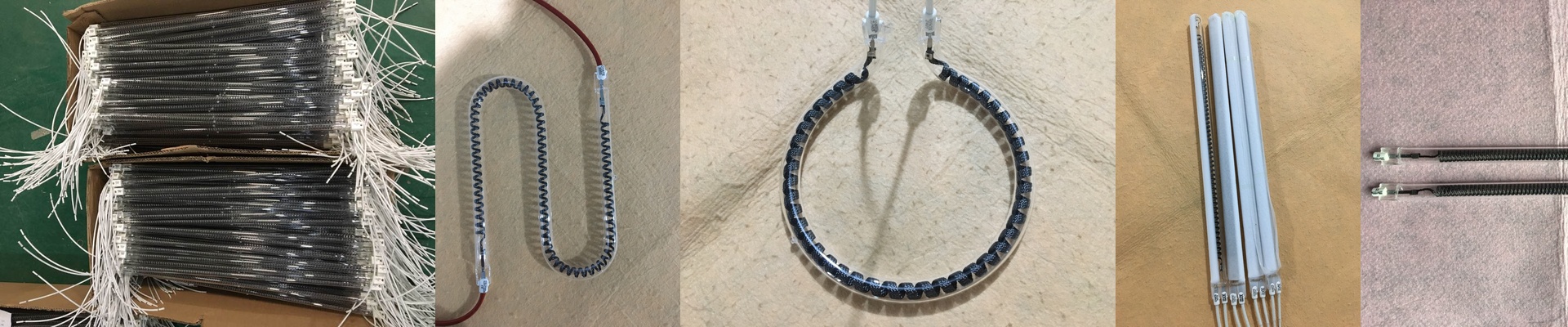
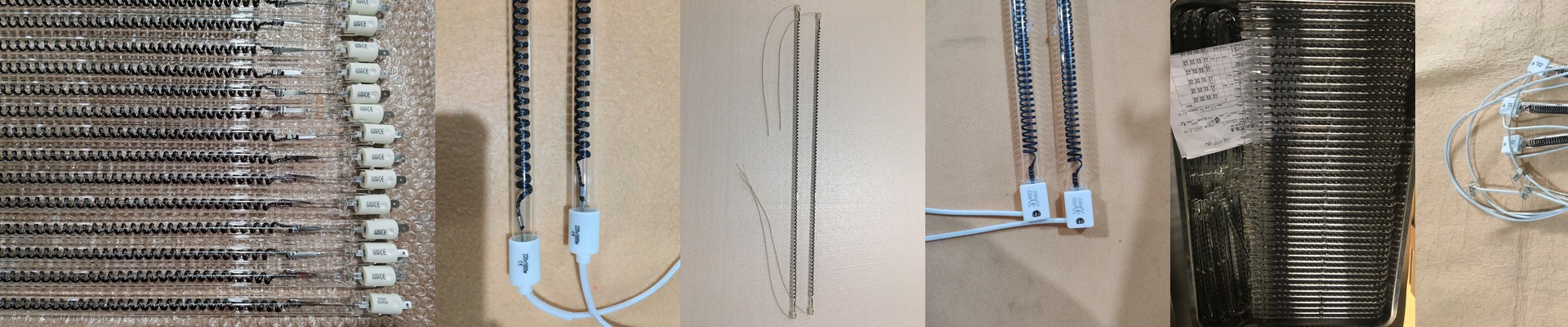
Inside, you’ve got bundles of carbon fiber tucked into high-purity quartz or ceramic sleeves. We do this to keep the filaments from oxidizing and to stop shop-floor grime from ruining the element. We also beef up the end-caps. Why? Because these things expand and contract as they heat up, and you don’t want your connections popping off. One quick tip: if you’re putting these in a machine that cycles on and off fast, the thermal shock can be brutal on the seals.**Don’t just slam the power on.**Give it a slow ramp-up so you don’t crack the quartz.
Putting Them to Work
You’ll usually find these in PET blowing, drying lines, or curing ovens. They take up way less space than those clunky tube heaters. And they’re snappy. Because carbon fiber doesn’t hold onto heat the way metal does, it warms up fast and cools down just as quickly once you kill the power. It gives you a level of control that’s hard to beat. Just a heads-up: the emissivity is high. Make sure your shielding is lined up perfectly, otherwise you’ll end up accidentally cooking the parts sitting next to the heater.
- Carbon Fiber
- Infrared
- Heating Element
- Thermal Efficiency
- Industrial Heating
- Carbon
- Fiber
- Heating
- Element
- 2000w 240v Sk15 270mm Halogen Infrared Heat Lamp for Pet Bottle Blowing Machine
- 350mm 220v 1500w Halogen Infrared Heat Lamp for Pet Blowing Machines Plastic Moulding
- 1500w-230v-Sk15-Half-White-Ir-Heater-Lamp-Halogen-Infrared-Heat-Lamp-for-Pet-Bottle-Blowing-Machine
- 2500w 400v Sk15 Ir Heater Lamp Half White Halogen Infrared Heat Lamp for Pet Bottle Blowing Machine
- Pet-Blowing-Machine-Heating-1500w-Ir-Heater-Clear-Tube-Infrared-Halogen-Heat-Lamp
- 230v-2000w-Clear-Infrared-Quartz-Heat-Lamp-With-Sk15-for-Pet-Blowing-Machines
- High-Quality-Heating-Lamps-800w-Clear-Tube-Infrared-Halogen-Heat-Lamp-for-Dominican-Republic-Pet-Blowing-Machine
- 2500w 2000w 1500w 240v R7s Half White Plated Halogen Ir Infrared Heat Lamp for Pet Blowing Machine
- 400v-3000w-Heat-Emitters-Infrared-Heat-Lamp-for-Pet-Blowing-Machines
- 2500w 400v R7s 300mm Coated Ir Lamp Halogen Infrared Heat Lamp for Pet Bottle Blowing Machine