Why we use carbon fiber for high-heat jobs
Most of the time, standard metal wires do the trick. But every now and then, you hit a project where nichrome just can’t keep up—maybe the mechanical stress is too high or the heat needs to be spread in a way that metal just won’t allow. That’s where carbon fiber comes in. It doesn’t work like a typical wire; it relies on how the carbon atoms are lined up in their crystal structure to move electricity. The heat side of things Here is the best part: carbon fiber barely budges when it gets hot. While metal tends to warp or stretch as the temperature climbs, carbon fiber stays put. It means you can design a heating element with a tiny footprint and it won’t shift around, even if you’re cycling the heat up and down constantly. Plus, because the material is so light, it reacts almost instantly. You aren’t sitting around waiting for things to warm up. You hit the switch, and you’re at your target temperature in seconds. Keeping it from burning up There is a catch, though. If carbon fiber hits 400°C while exposed to oxygen, it’ll just burn away. To stop that from happening, we tuck the fibers inside a ceramic matrix or a high-temp polymer. Think of it like a protective shell that lets the element take a beating in a rough environment without falling apart. And then there’s the wiring. The spot where the copper lead meets the carbon fiber is usually the weakest link. If you aren’t careful, you’ll get a “hot spot” right there that melts your insulation. We avoid that by using conductive epoxies or crimped terminals to keep the transition smooth. The trade-off you need to know about I love carbon fiber because it’s lightweight and you can bend it into weird, complex shapes without worrying about it snapping. It’s incredibly forgiving in that sense. But you have to watch the current. Carbon fiber has this quirk where its resistance actually drops as it gets hotter. If you just plug it into a basic power source without a smart controller, it can spiral into “thermal runaway”—basically, it gets hotter, which makes it draw more current, which makes it even hotter, until it fails. You just need a power supply that can handle that shift. Do that, and you’re golden.
- Carbon Fiber
- Heating
- Conductivity
- Industrial
- Thermal
- Carbon
- Fiber
- Material
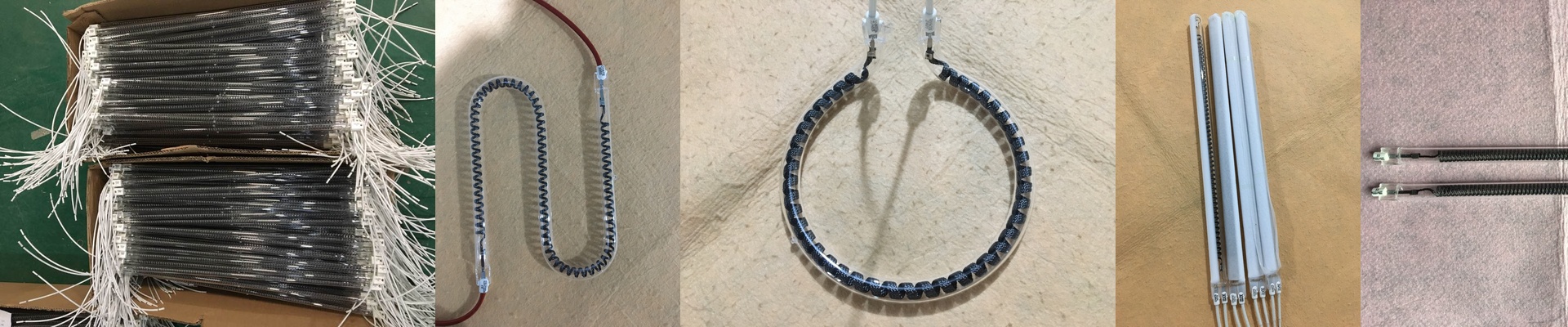
- 2500w 2000w 1500w 240v R7s Half White Plated Halogen Ir Infrared Heat Lamp for Pet Blowing Machine
- 230v 2000w Half White Coating Infrared Quartz Heat Lamp for Pet Blowing Machines
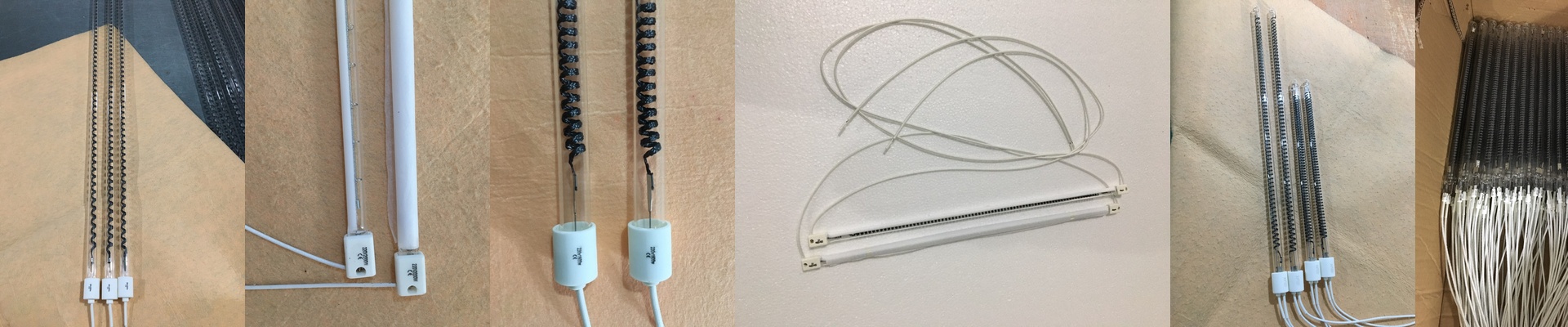
- Sk15 Shortwave Infrared Emitter Ir Lamp Heater for Blowing Machine
- 400v-3000w-Heat-Emitters-Infrared-Heat-Lamp-for-Pet-Blowing-Machines
- Sk15 Tungsten Quartz Infrared Heating Lamp for Pet Blowing Machine
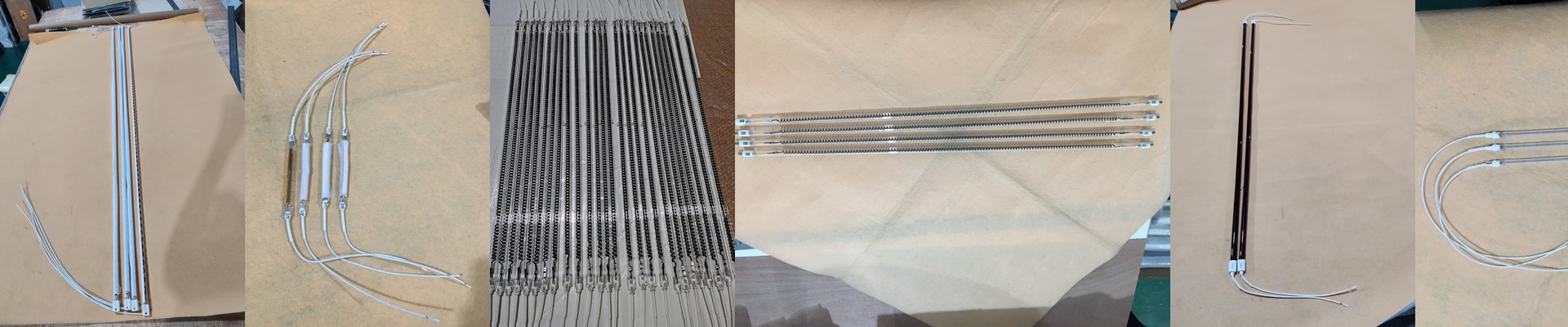
- 300-1000mm-1000w-1500w-2000w-Infrared-Quartz-Heating-Lamp-for-Pet-Blowing-Machine
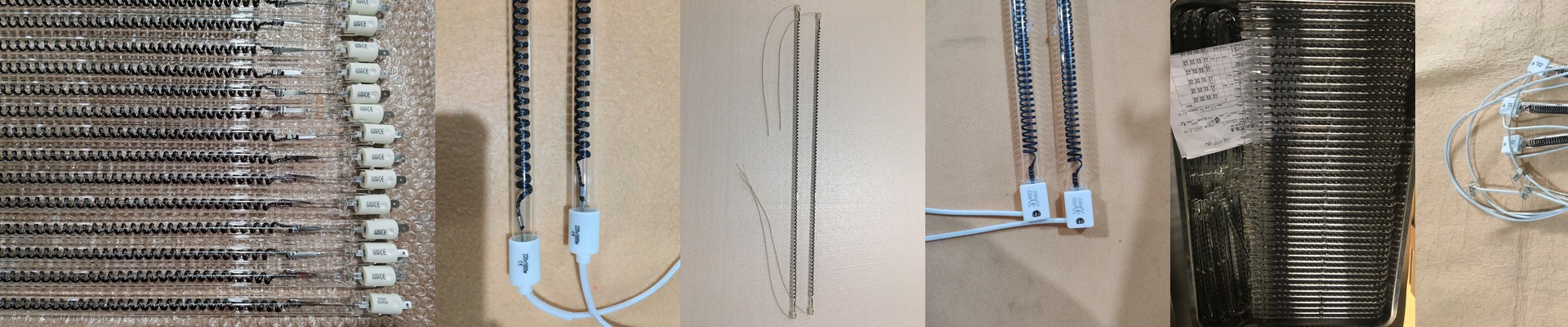
- 2000w 240v Sk15 270mm Halogen Infrared Heat Lamp for Pet Bottle Blowing Machine
- 350mm-220v-3000w-Halogen-Infrared-Heat-Lamp-for-Pet-Blowing-Machines
- High-Quality-Heating-Lamps-800w-Clear-Tube-Infrared-Halogen-Heat-Lamp-for-Dominican-Republic-Pet-Blowing-Machine
- 220v 2000w Half White Coating Infrared Quartz Heat Lamp With Ce for Pet Blowing Machines