Let’s Talk About Ruby Quartz Carbon Fiber Heating
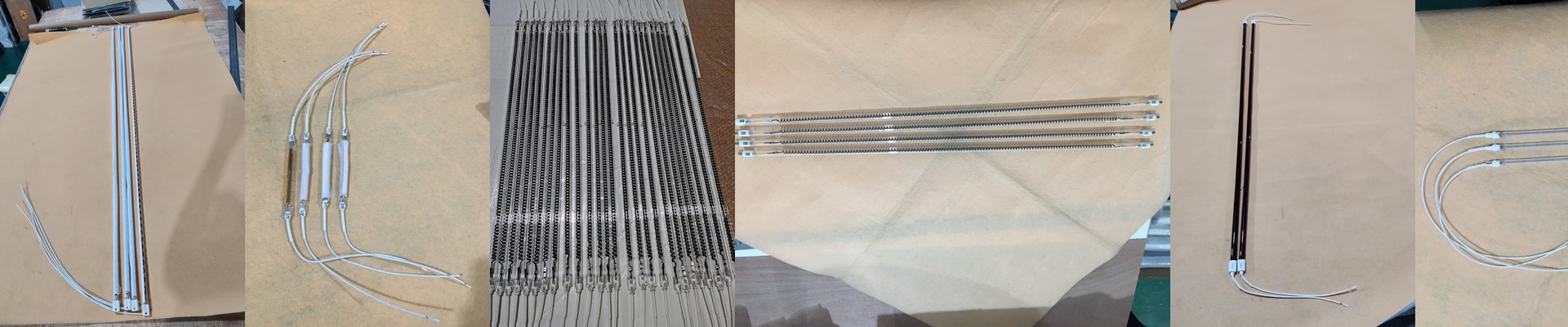
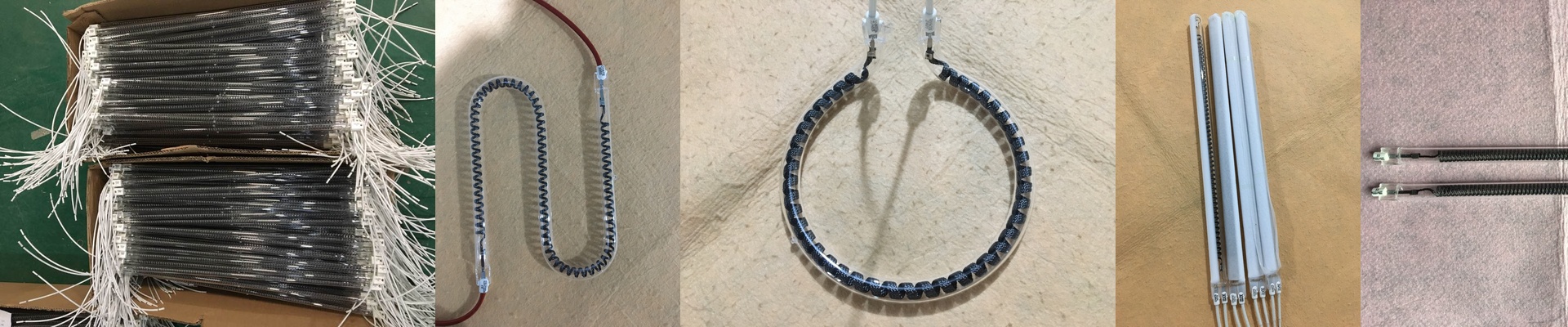
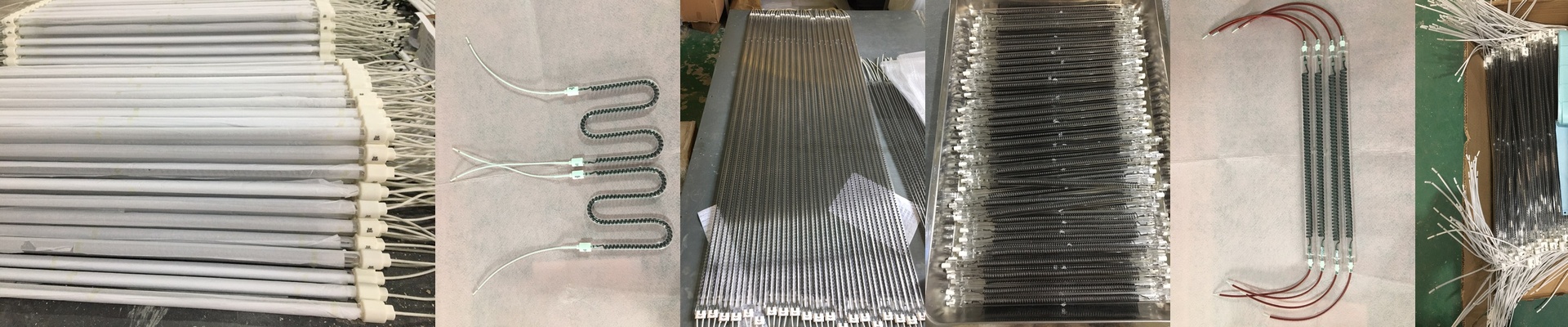
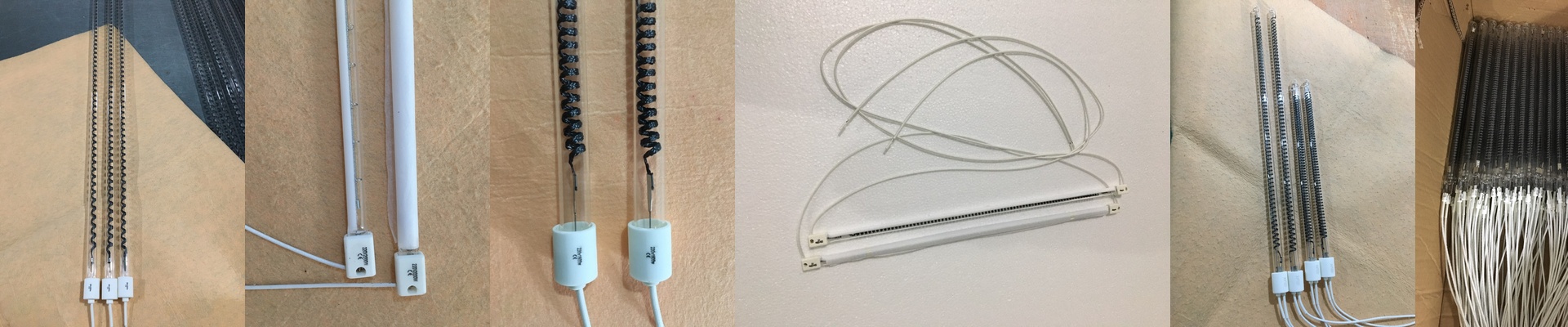
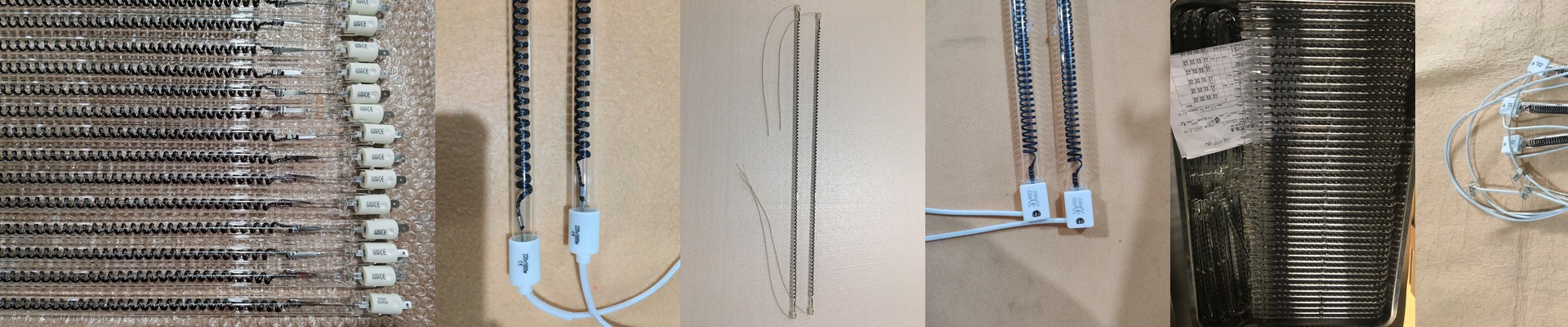
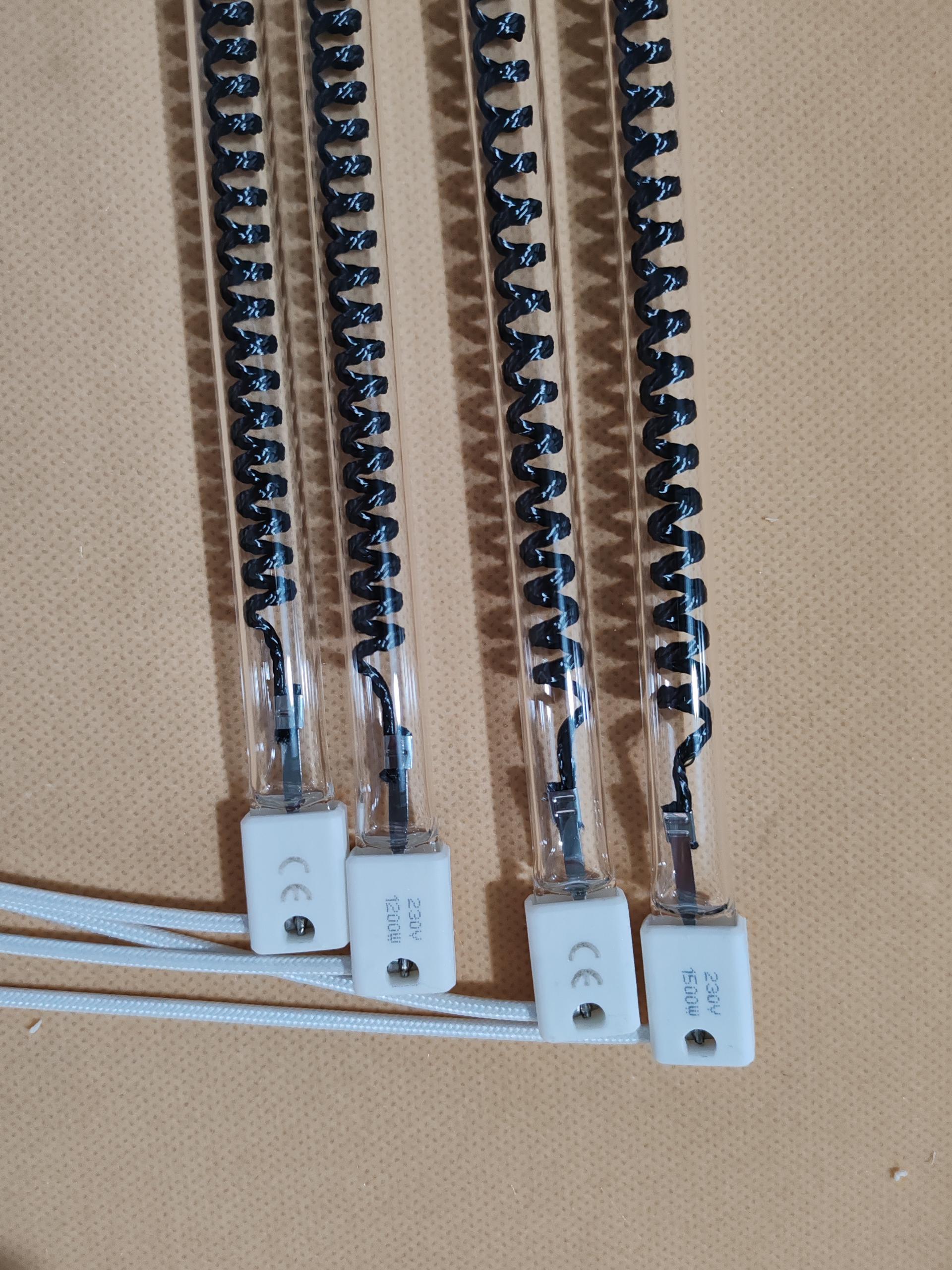
If you’re working with motorcycle parts—specifically curing coatings or drying adhesives on a chassis—you know the struggle of getting the heat just right. That’s why we built these ruby quartz carbon fiber lamps. They aren’t your typical halogen tubes. We use a carbon fiber filament tucked inside ruby-doped quartz. Why? Because it changes how the heat hits the material, making it way more effective at soaking into organic materials rather than just bouncing off the surface. The Heat Factor Here is the cool part: carbon fiber can handle a lot of power without just snapping or burning out like those thin tungsten wires do. When you’re picking your lamp, keep an eye on the wattage-to-length ratio. That’s what controls your heat flux. If you go with a high-wattage setup, you’ll hit your target temperatures in seconds. It’s fast. Really fast. Just a heads-up: make sure your power supply is spot on. If you under-volt the system, you’ll end up with patchy heat across the tube, and nobody wants a half-cured part. How It’s Built The ruby quartz isn’t just for show. It does two big jobs. First, it keeps the carbon filament from oxidizing. Second, it filters out the wavelengths that usually scorch sensitive plastics. And since we know industrial shops are bumpy places, we use heavy-duty connectors. These things won’t just shake loose when the machinery starts humming. Plus, the quartz is tough. You can flip the switch from cold to peak heat instantly, and it won’t crack under the pressure. Getting It Into Your Workflow If you’ve got old infrared arrays, these are an easy swap. They actually save you some floor space because you don’t need as much distance between the lamp and the part to get the job done. But there is a catch. Because the infrared intensity is so high, you have to be precise with your conveyor speed. If a part hangs out under the lamp too long, you’re going to burn right through that coating. Also, don’t forget your cooling fans. Make sure they can handle the ambient heat around the housing, or you might risk melting your connectors. It’s a powerful tool—you just have to treat it with a bit of respect.