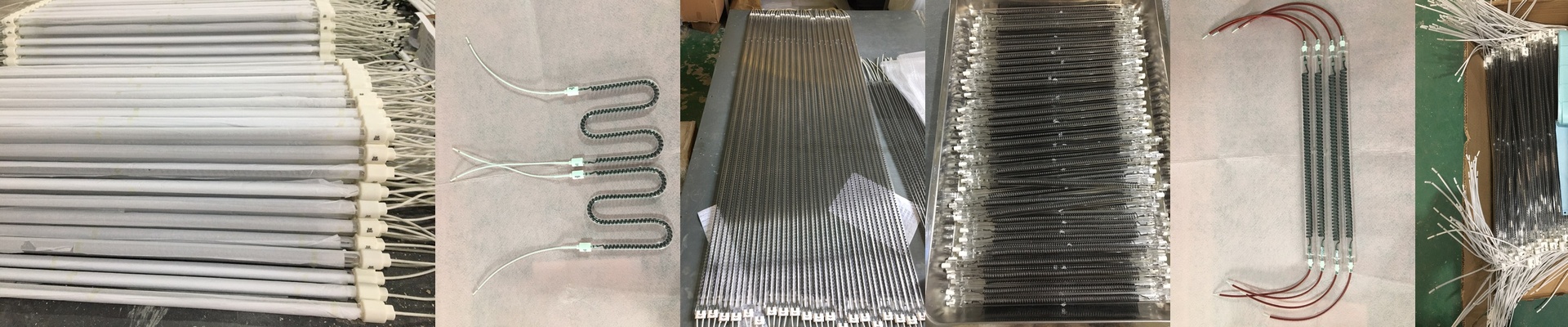
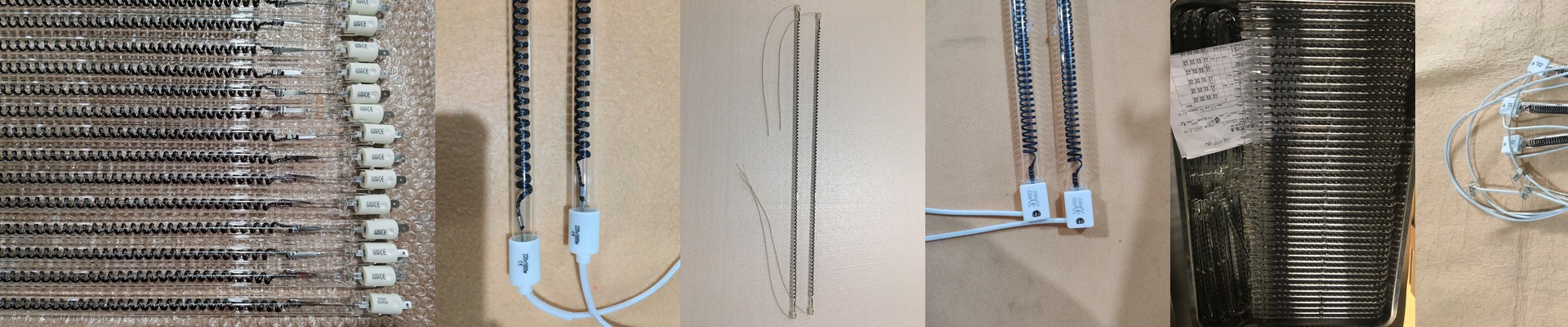
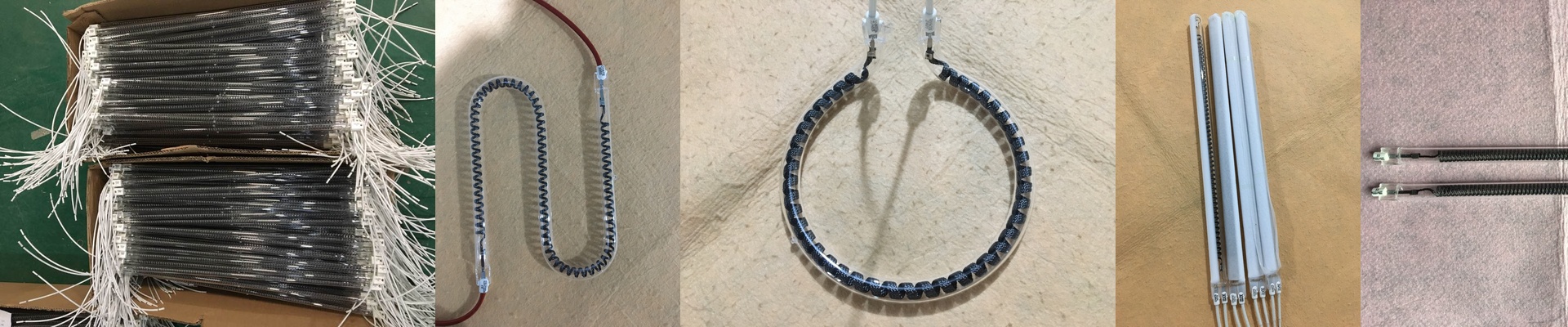
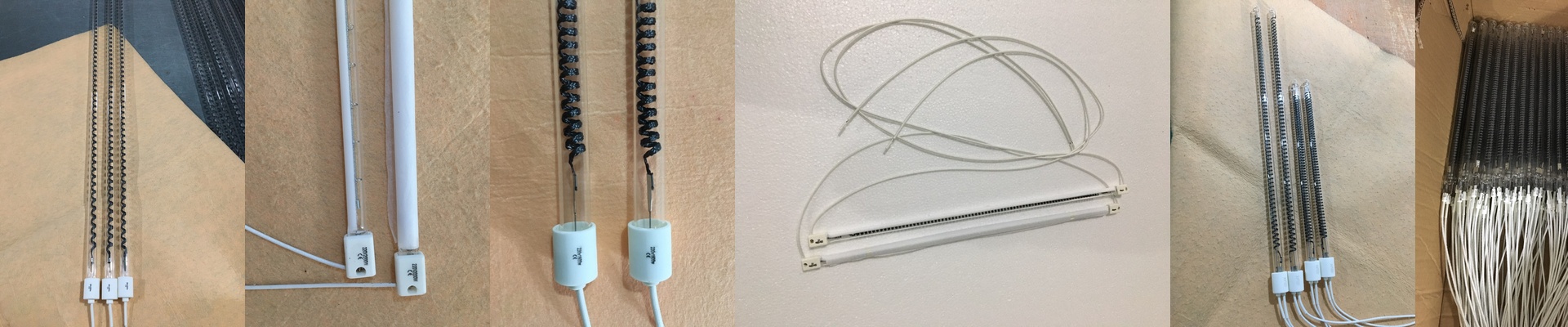
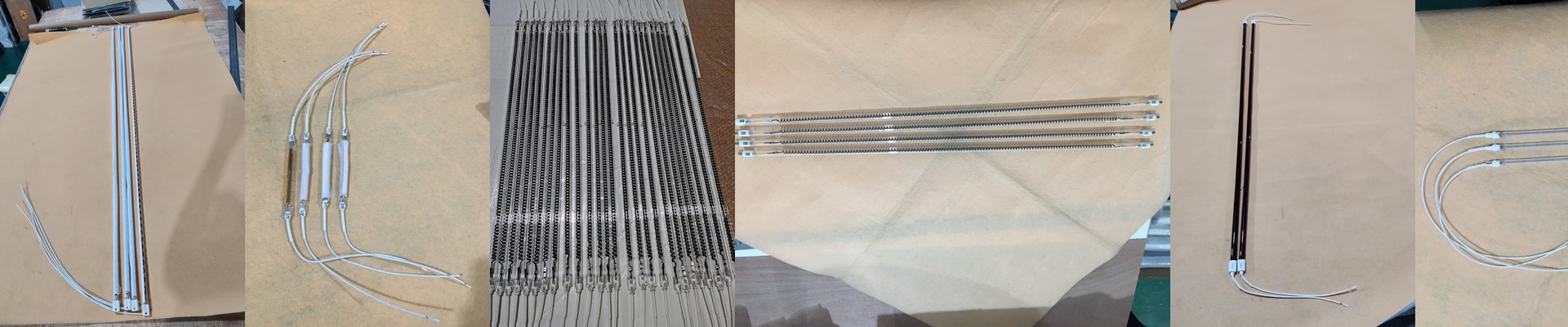
Let’s Talk About These 2000W Carbon Fiber Heat Lamps
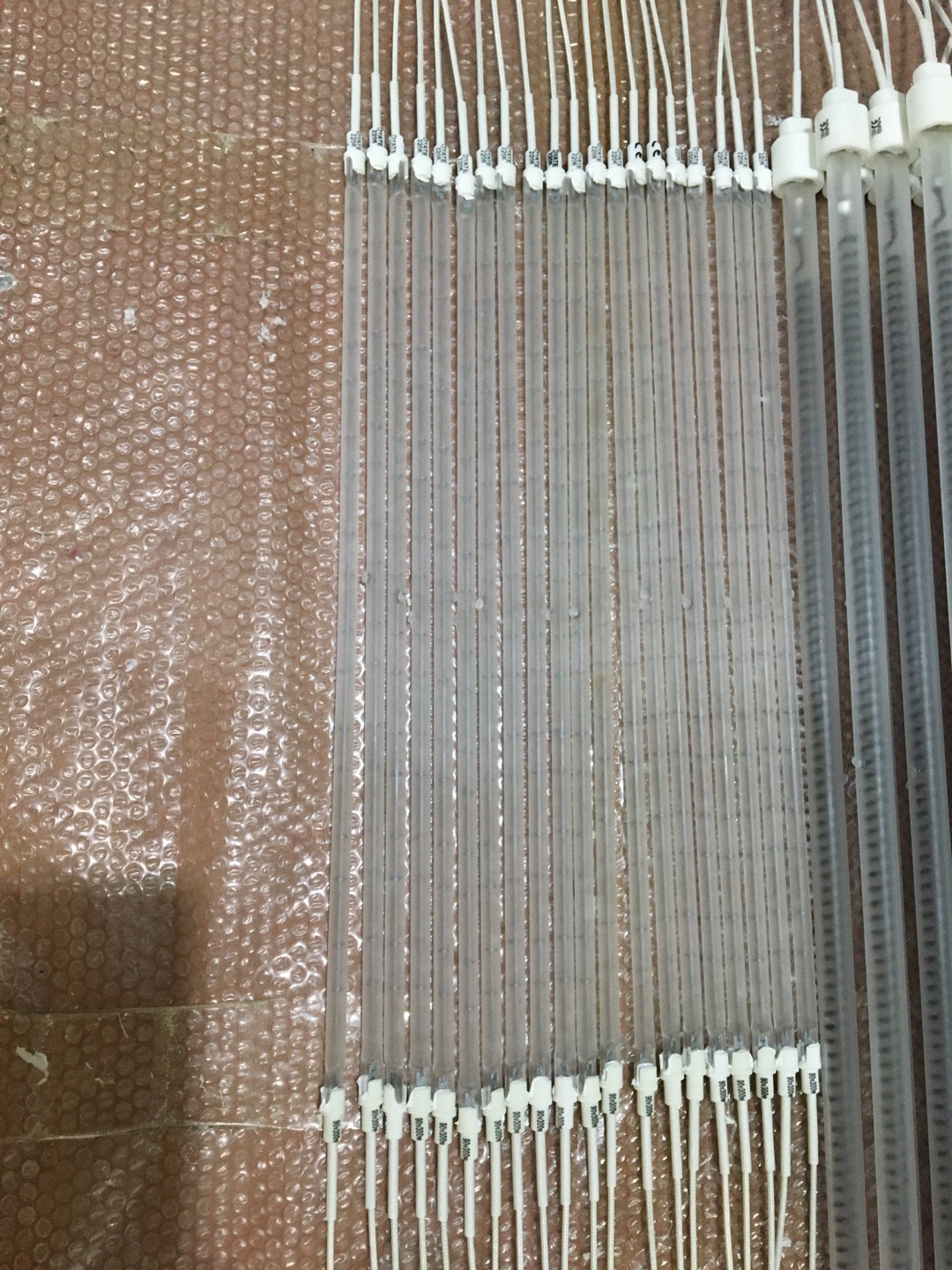
If you’re looking for some serious, high-density heat, these 220V 2000W carbon fiber lamps are the way to go. Most people are used to standard quartz coils, but we did things differently here. We used a carbon fiber filament. The cool part? It doesn’t have to get nearly as hot as a traditional coil to give you the same amount of infrared heat. It pushes the energy into that medium-wave range, which is where the magic happens. The Power Side of Things 2000W is a lot of juice. We dialed it to this level because we wanted these things to ramp up fast. Really fast. When you’re drying or curing parts in a factory, every second counts. These lamps snap to temperature quickly, which means your cycle times drop and you get more done. Just a heads-up: since they pull a decent amount of current, double-check your wiring and switches. You don’t want your contactors burning out because the load was too heavy for the gear. Build and Handling We tucked that carbon fiber core inside a high-purity quartz envelope to keep oxygen from eating the filament. One big win here is durability. If your equipment shakes or vibrates, these lamps can take it. Tungsten filaments tend to snap under pressure, but carbon fiber is much tougher. But—and this is a big but—the quartz tube itself is delicate.**Wear gloves.**I can’t stress this enough. If the oils from your skin get on the glass, they create these tiny hot spots. Once you turn the lamp on, those spots can cause the whole tube to crack on the very first run. Not a great way to start the day. Where They Actually Work You’ll mostly see these in PET blowing, plastic welding, or paint curing lines. Because they emit medium-wave heat, the energy actually sinks deeper into organic materials. It’s not just hitting the surface; it’s a more uniform “soak” through the whole piece. There is one catch: the size. To hit 2000W without melting your housing, the lamp has to be a certain length, and you need actual airflow. If your ventilation is too small, heat builds up around the end caps and kills the lamp’s lifespan. If you want the best results, just hook it up to a PID controller and let it do its thing.