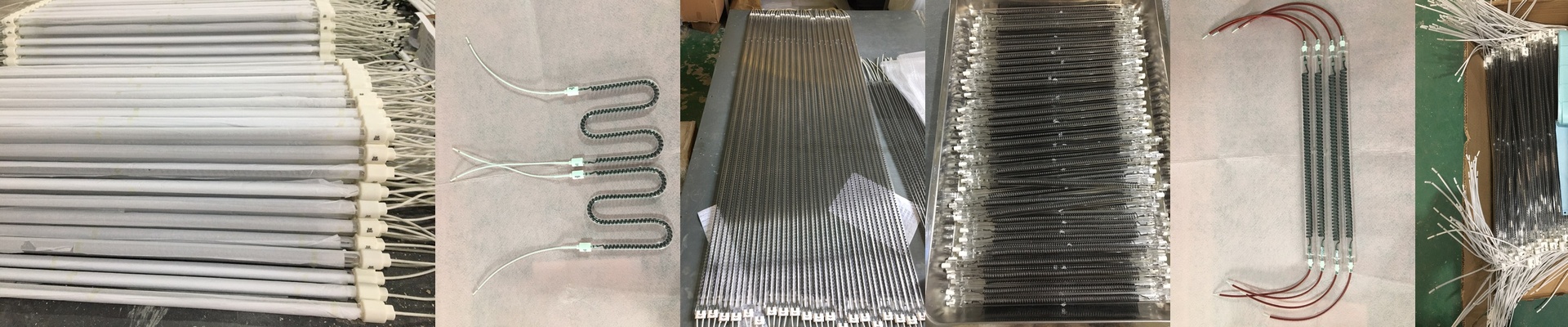
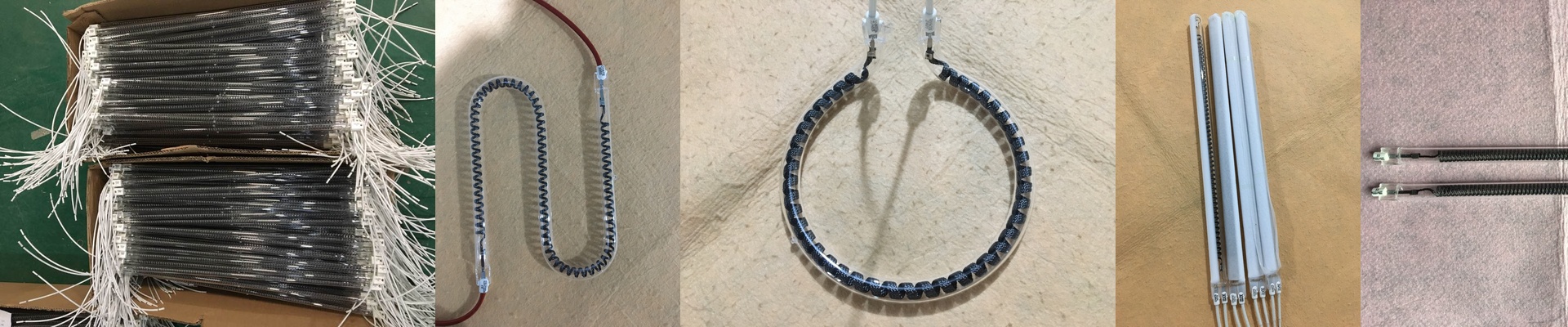
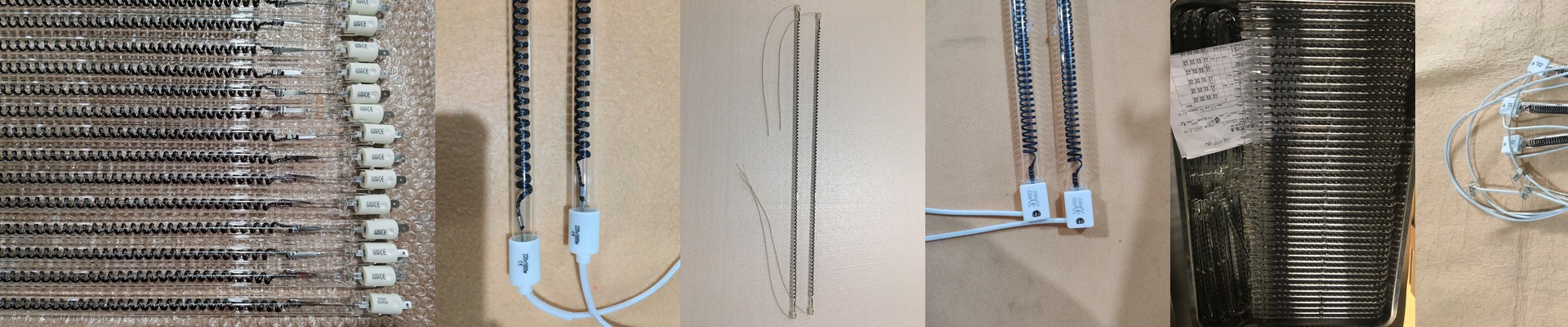
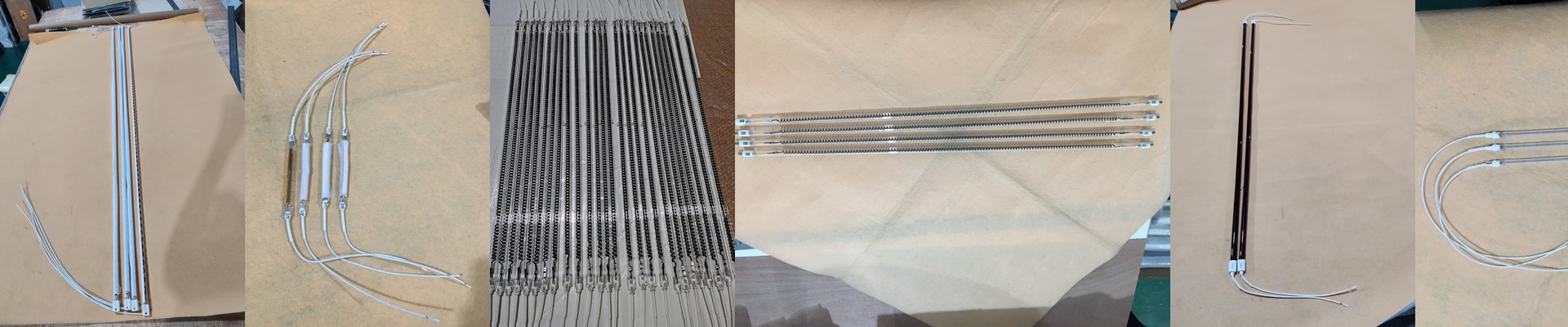
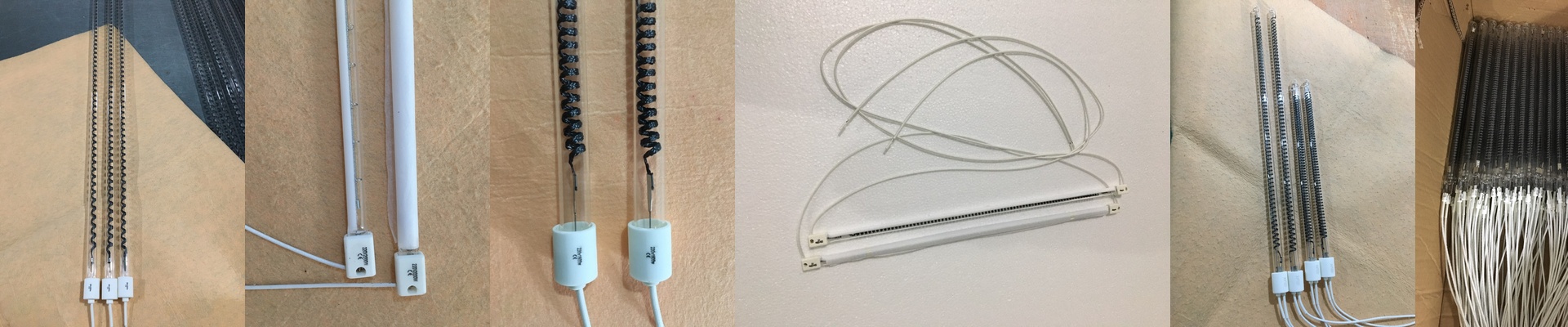
Let’s Talk Carbon Fiber Infrared Lamps
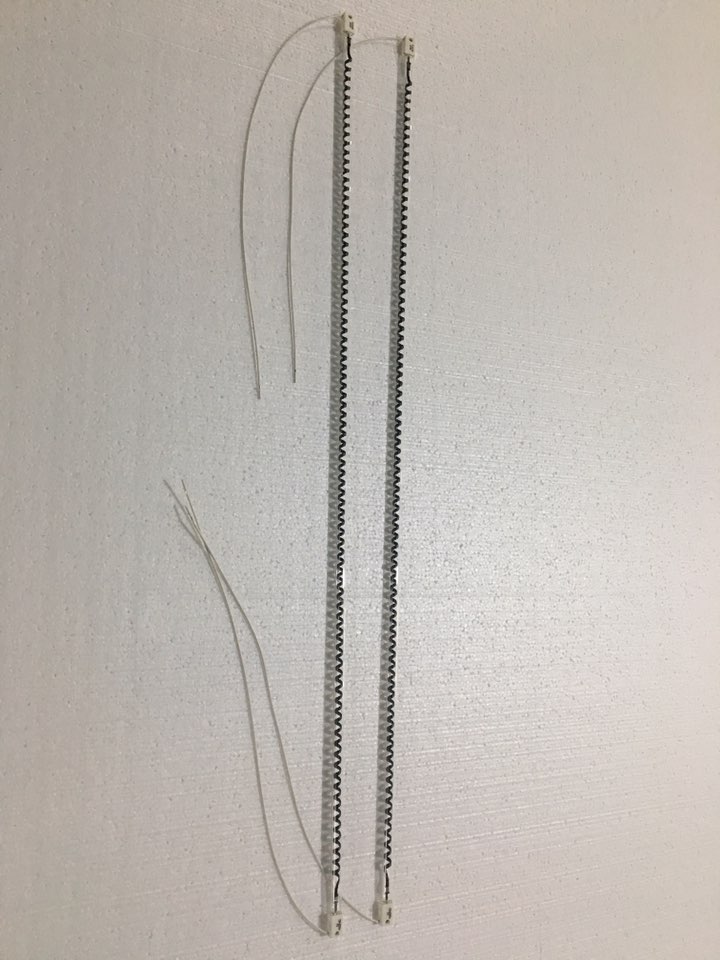
Here is the deal: these lamps work by running a current through a carbon fiber filament tucked inside a quartz tube. Most people are used to those old-school metal coil heaters, but we use carbon because it’s better at pushing mid-to-far infrared radiation deep into whatever you’re heating. It’s built for when you need heat to hit fast and soak in deep. The nitty-gritty on power Wattage and voltage basically decide how much heat you’re actually throwing at your target. If you’re curing or drying something and need it done now, you’ll want high wattage. But be careful with the voltage. If it doesn’t match your grid, you’re just asking for a burnout. Plus, if the voltage is too low for the length of the tube, you’ll end up with “cold spots” at the ends. Nobody wants a patchy heat job. Why the build matters We went with a carbon fiber core for a simple reason: it doesn’t freak out when the temperature swings. Tungsten tends to warp or snap when you power it on and off rapidly, but carbon handles that expansion like a pro. The quartz tube keeps the oxygen away from the filament so it doesn’t just burn up. And a quick tip?Check your end-cap connectors.If they’re loose, you’ll get a hot spot that can melt your wiring or fry the socket. Not a fun day at the office. Getting them to work for you If you’re already using halogen systems, these usually slide right in. The heat feels “softer,” which is great because you won’t accidentally scorch the surface of your materials. It ramps up quickly, too, which means you can shave time off your cycles. Just a heads-up: carbon fiber doesn’t “glow” or emit heat the same way metal does. You’ll probably need to tweak your PID controllers to get your temperature exactly where you want it. One last thing. These things getintense. Make sure your mounting brackets can take the heat, or you’ll find your lamps sagging over time.