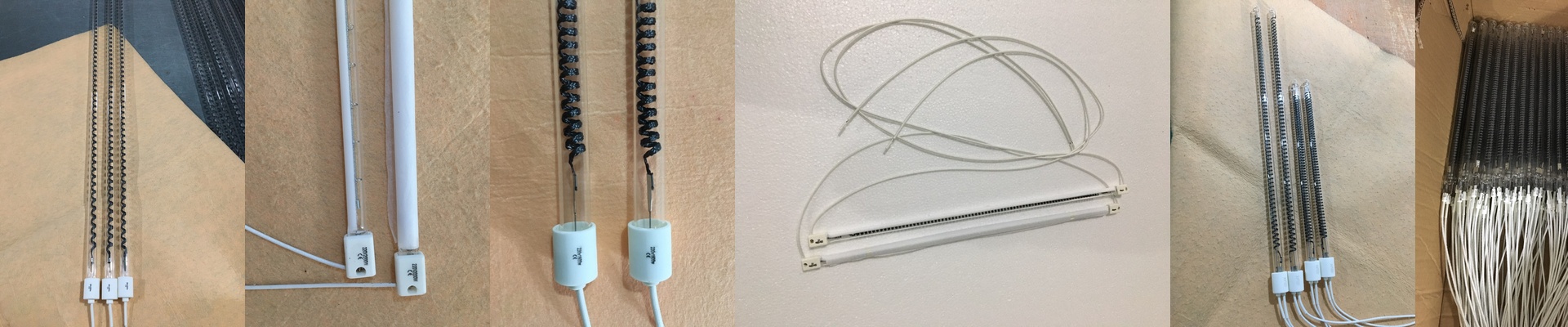
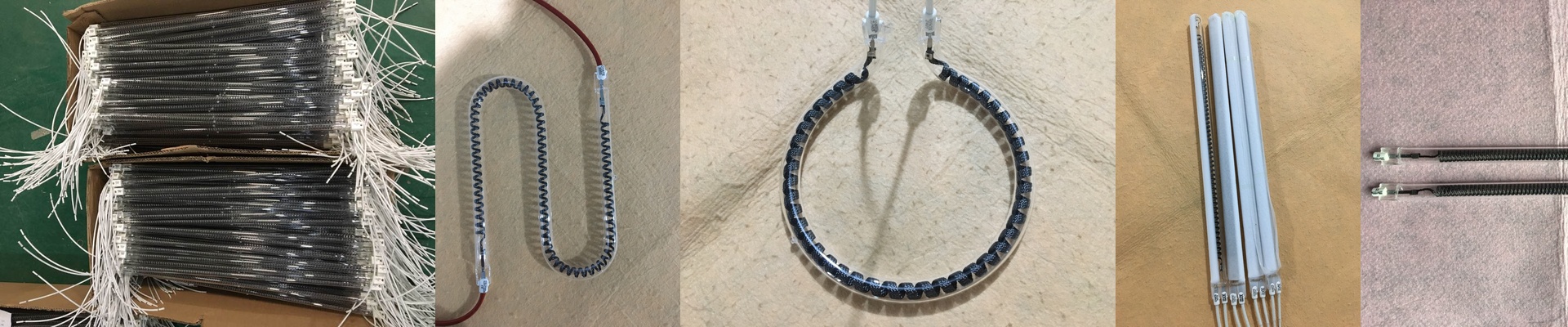
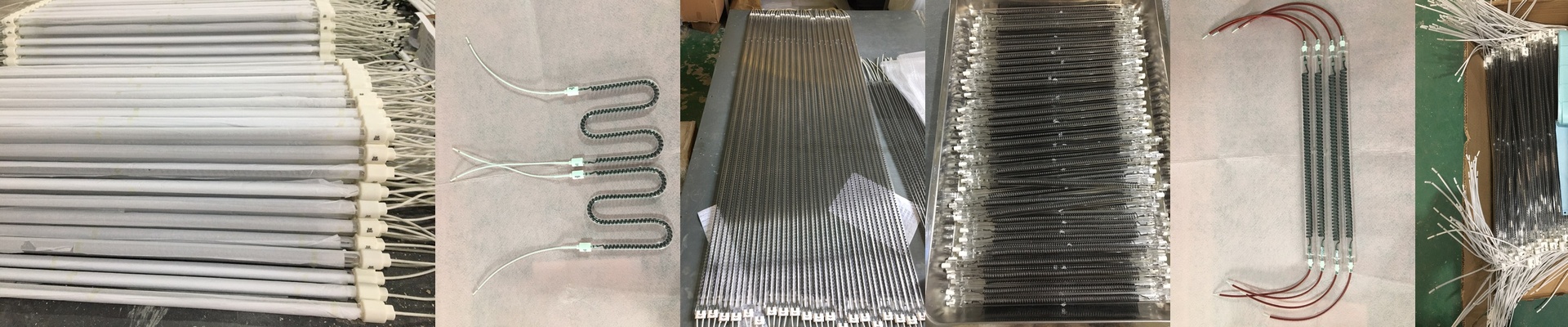
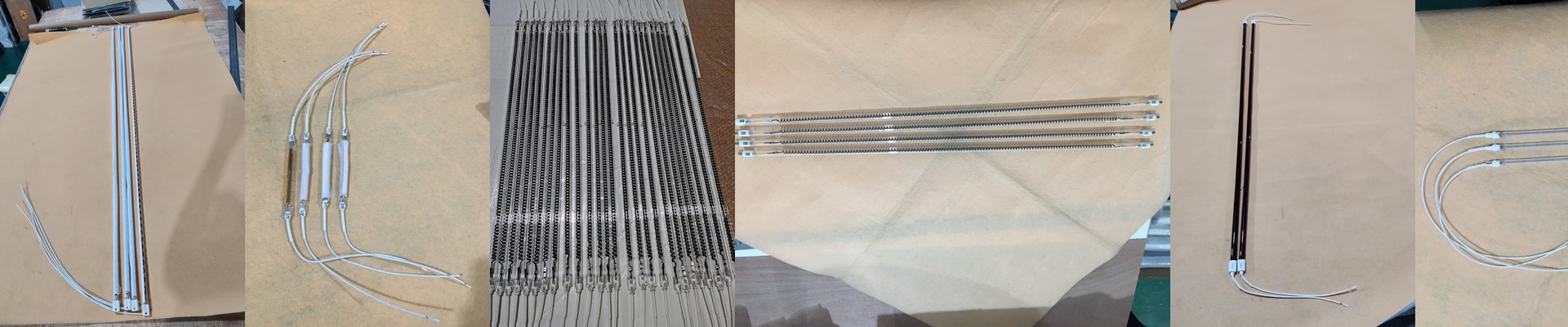
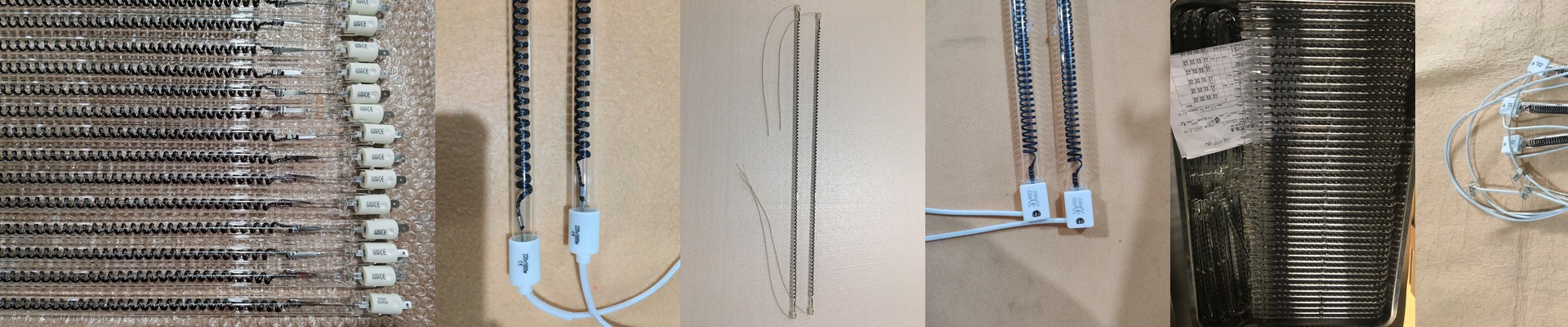
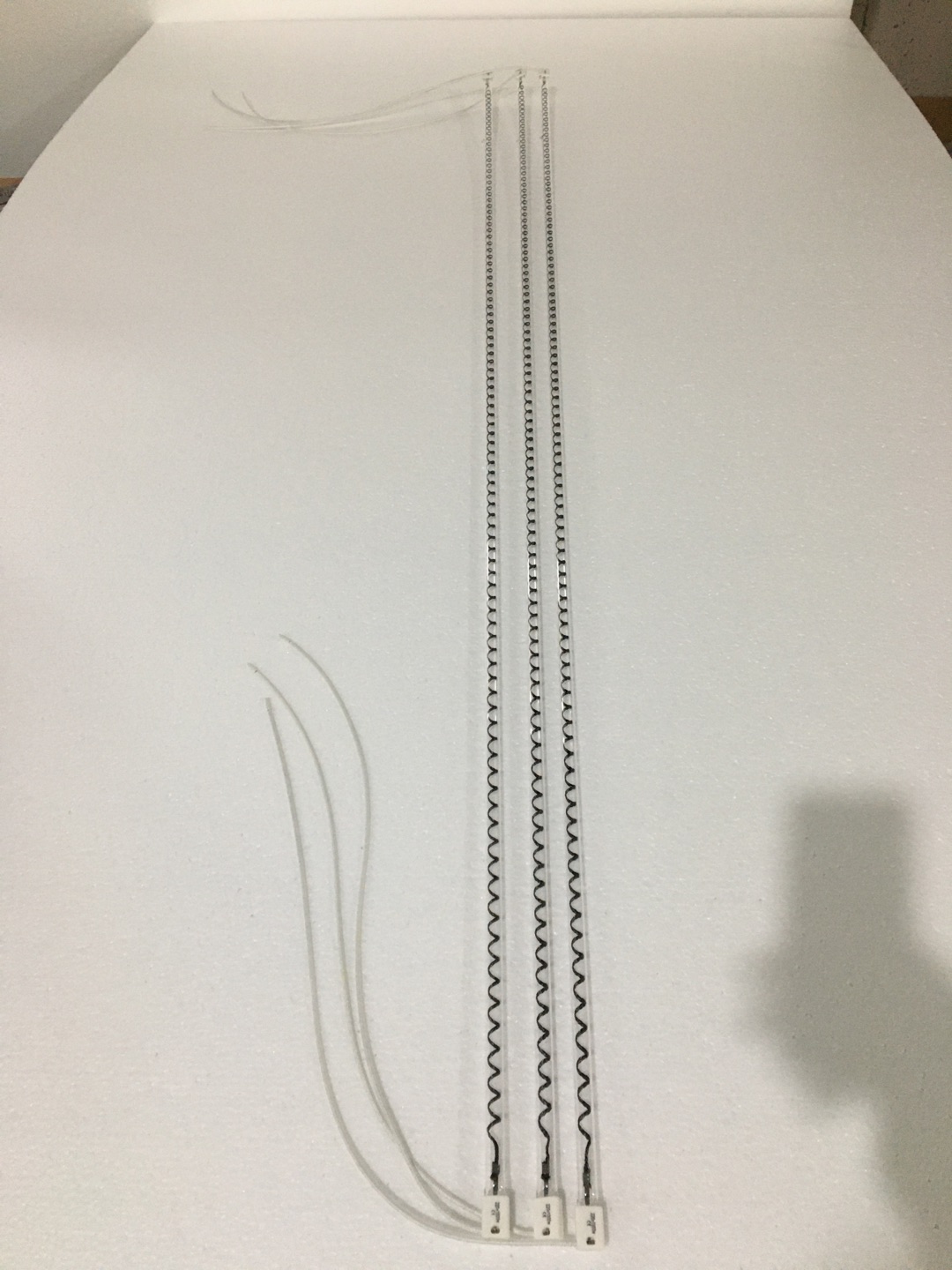
Let’s talk about Carbon Fiber IR Lamps
If you’re trying to dry or cure things fast in a factory, you’ve probably looked at infrared lamps. But there’s a big difference between a standard metal-filament bulb and these carbon fiber ones. Think of it this way: instead of just scorching the surface of your product, these lamps push heat deeper into the material. It’s all thanks to that carbon fiber element tucked inside the quartz glass. It just works better. Getting the power right Here’s the thing about the specs. We usually figure out the wattage based on how much heat you actually need per square inch. If you cram more wattage into a short tube, that quartz glass is going to get incredibly hot. That’s why we use high-voltage setups. It lets us pump in the power without pulling so much current that you end up tripping your breakers or melting your wires. Just a heads-up: make sure your power supply matches the lamp’s rated voltage exactly. If you don’t, you’re just asking for a burnout. The build and the fit The quartz tube isn’t just for show—it keeps the carbon filament from oxidizing and dying. Depending on your shop, we can add coatings to the glass. This helps tune the heat or keeps the lamp from getting ruined by chemical splashes. As for plugging them in, we stick with R7s or Sk15 connectors. They’re basic, reliable, and fit right into most industrial heaters. No fuss. Plus, they keep a tight grip on the terminals, which is huge because things expand and contract when they get hot. You don’t want any sparking (arcing) happening back there. The “gotchas” of integration The best part? These things hit full temperature almost instantly. You can skip those annoying long warm-up cycles and just get to work. But you have to be careful with where you mount them. It’s a balancing act. Mount them too close and you’ll scorch your product. Too far, and you lose that deep-penetrating heat. And please, don’t forget the cooling fans. All that heat bounces back into the housing. If you don’t move that air, your connectors will melt. And that’s a mess nobody wants to clean up.