Why Your PCB Heater Needs to Start Thinking for Itself
For a long time, PCB heating has been pretty basic. You set a temperature, the heater cranks up, and you just cross your fingers that the heat is actually hitting the board evenly. It’s a bit of a guessing game. But we’re moving away from that. The new wave of digital stations actually monitors its own health and thermal drift while you work.
Reading Between the Lines of the Hardware
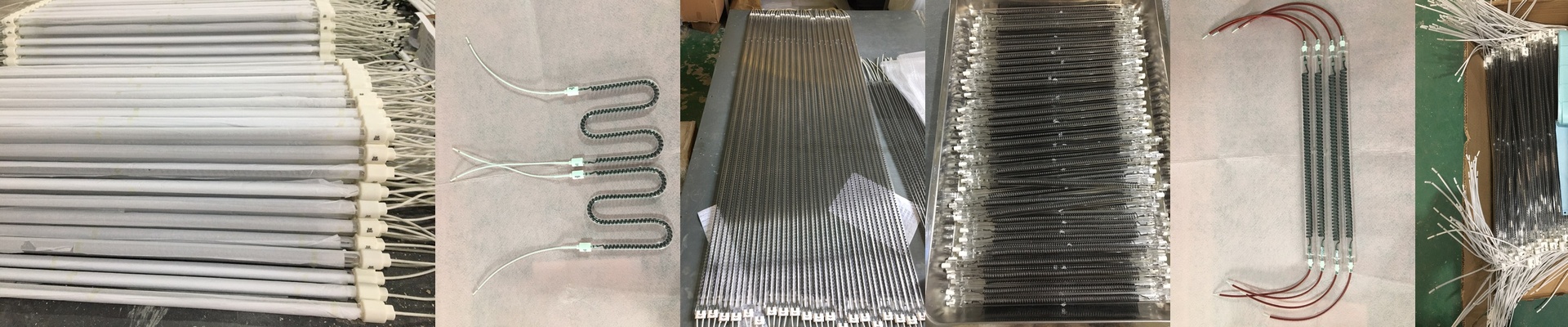
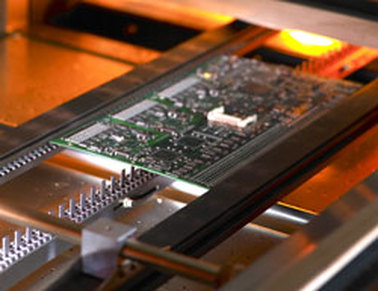
A smart station does more than just glance at a thermocouple. It’s actually watching the current draw and voltage drops across the heating elements. Here’s why that matters: if a heating zone starts pulling more juice than it should, the system catches it. It flags a short or a dying elementbeforeyou accidentally fry a board. We also use high-res digital arrays to map the footprint. It’s a lifesaver for spotting those annoying “cold spots” that happen when a bulky component blocks the airflow.
The “Brain” Behind the Heat
We designed these systems to recognize patterns of failure. If the system notices the board isn’t warming up as fast as it should—based on the actual mass of the PCB—it knows the heater is losing its touch. It’s not a hunch; it’s math. You’ll get a heads-up that an element is about to give out. This means you stop replacing parts just because the calendar says so. You only fix things when they actually need fixing.
The Catch (Because there’s always one)
Of course, making a station this smart comes with a trade-off. You’re stuffing more sensors and a faster processor into the control board. The irony? All that “intelligence” creates its own heat. If you don’t spec out a beefier cooling fan or a larger heat sink for the controller, those diagnostic chips will start to throttle. And if the controller gets too hot, you’ll start getting false alarms. You’ve got to keep the brain cool if you want the “smart” features to actually work.