Stop Guessing Where Your Heating Lamps Go
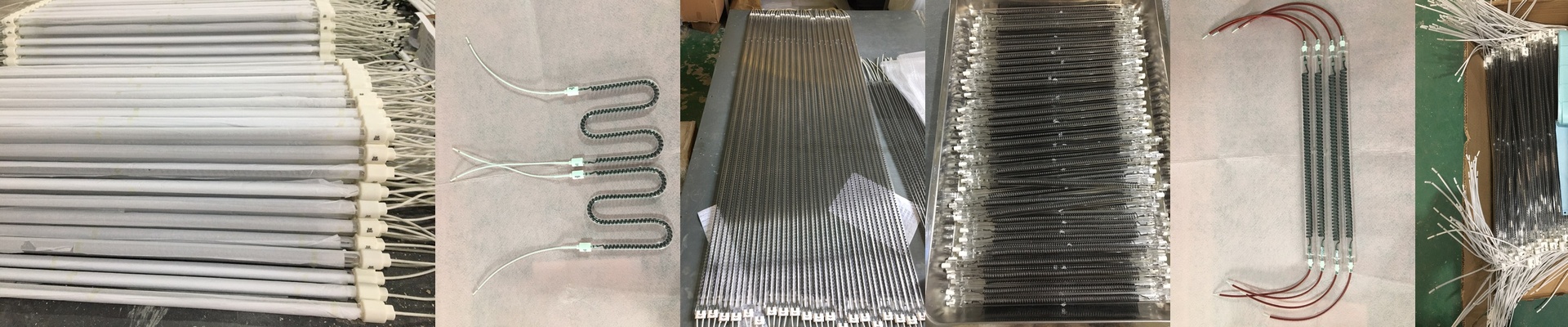
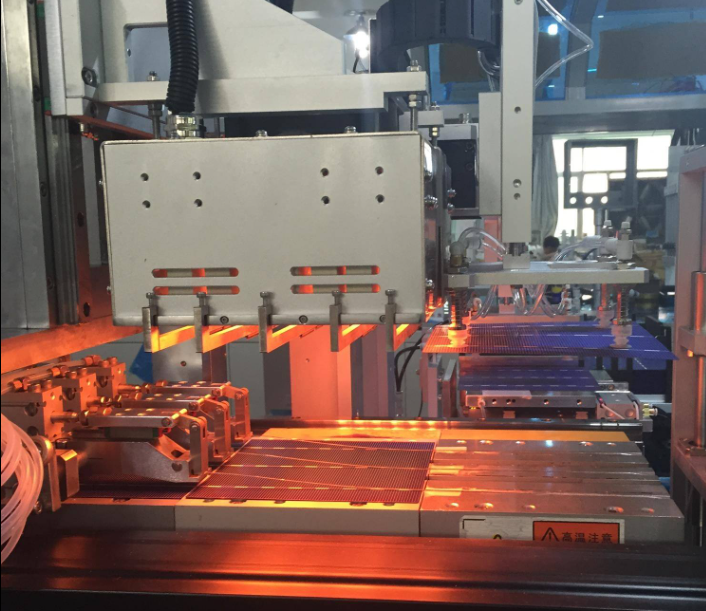
Curing smart meter PCBs is a bit of a balancing act. If your lamp layout is even slightly off, you end up with “cold spots” where the cure didn’t take, or worse, you accidentally fry a few components. Usually, this is where the headache starts. You build the oven, drill the holes, fire it up, and then spend a week running test boards just to see if it actually works. It’s a slog. We do things differently. We use digital twins and simulation to map out exactly where those lamps need to sit before you ever touch a drill.
The math behind the heat
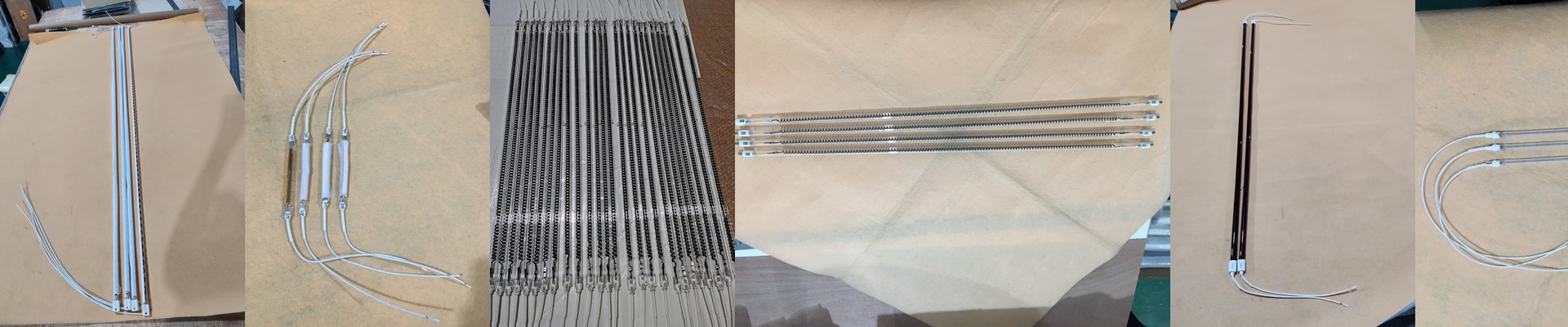
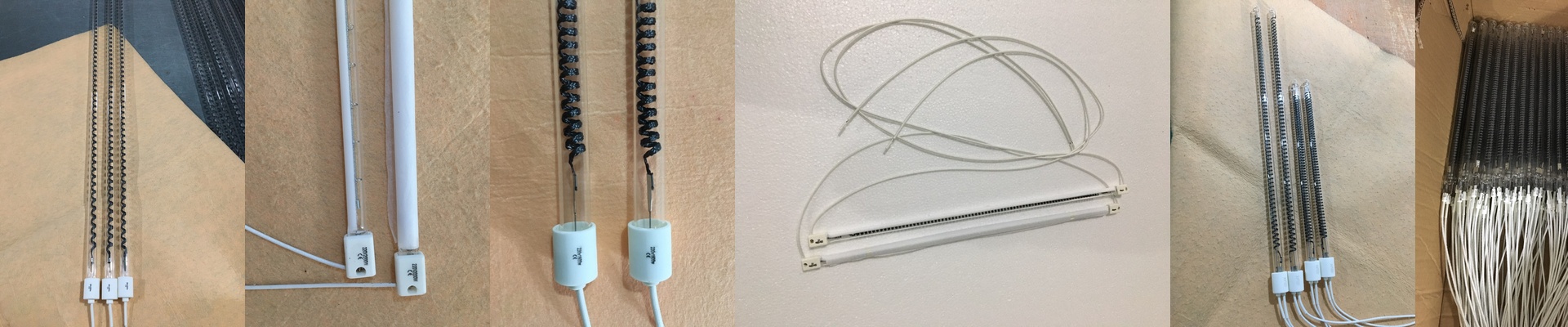
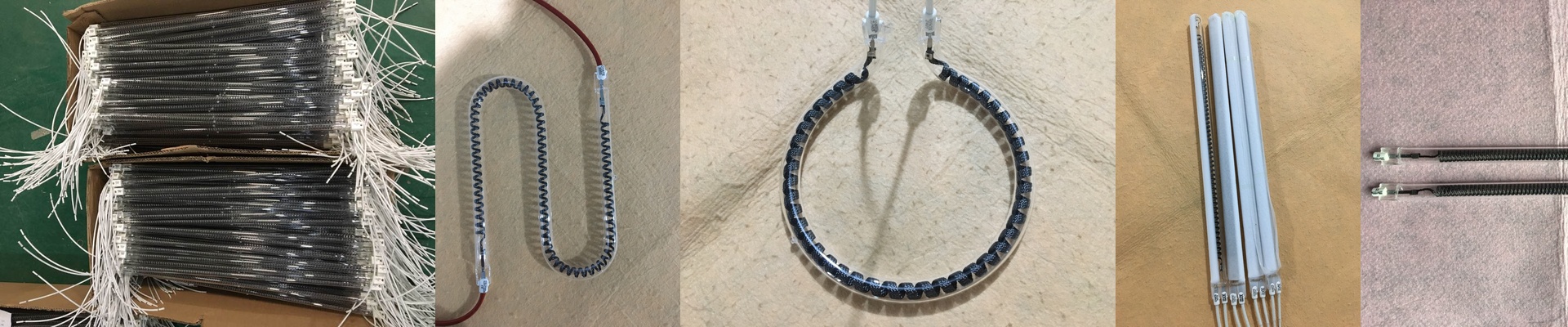
We don’t do “gut feelings.” Infrared radiation is picky—a shift of just a few millimeters in lamp height can completely change how much heat actually hits the board. So, we build a virtual version of your oven. Our software runs through thousands of different coordinates, simulating the heat moving from the quartz tubes to the PCB. We keep tweaking it until the temperature difference across the whole board is within ±2°C. It’s precise. And it saves you from a lot of wasted material.
Dealing with “shadows”
Here’s the tricky part: smart meters aren’t flat. You’ve got tall capacitors standing next to tiny resistors. The tall parts act like umbrellas, shielding the smaller components from the heat. This creates “shadows” where the board doesn’t cure properly. Instead of guessing, we use the simulation to angle the lamps or stagger their heights. We basically “fill in the gaps” in the software first. That way, when you finally turn the machine on, it just works.
The balancing act: Speed vs. Melt
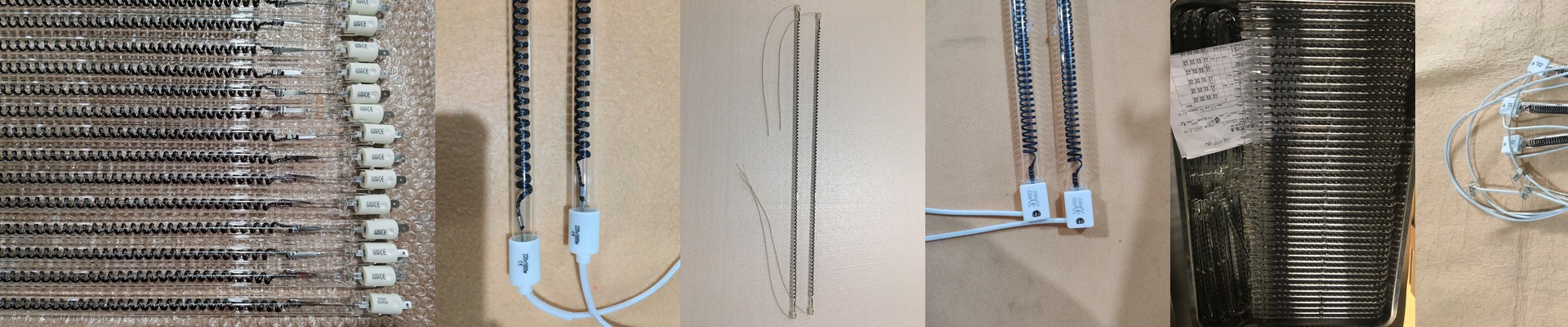
It’s tempting to just cram as many lamps as possible into the oven to speed things up. But there’s a catch. More lamps mean more ambient heat. If you pack them too tightly, you risk warping the PCB substrate or melting your conveyor belt. It’s a recipe for a meltdown. We look at the total wattage of the layout and compare it to how much heat your cooling system can actually pull out. We find that sweet spot where you get the fastest throughput possible without turning your oven into a furnace.