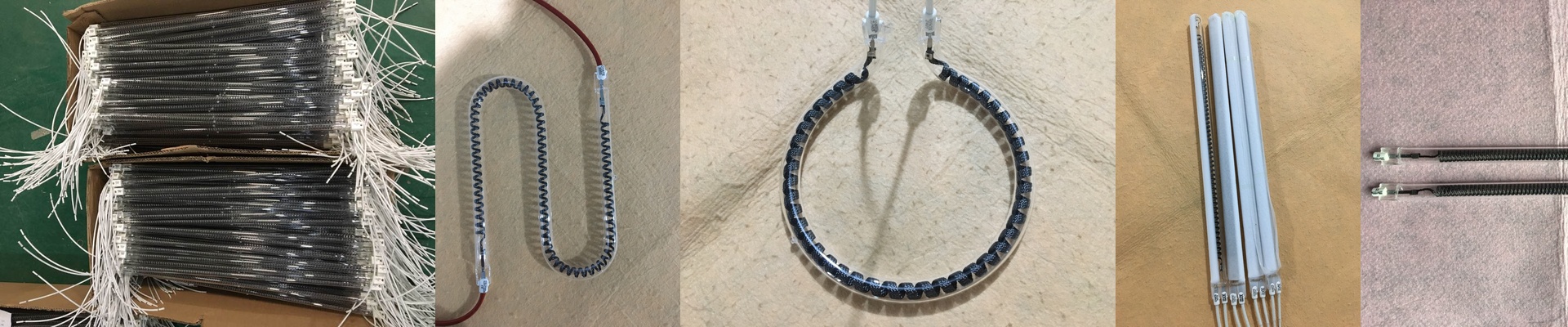

Stop Melting Your Plastic: A Better Way to Heat Smart Home Gear
Anyone who’s spent time fixing smart home gadgets knows the struggle. You need enough heat to loosen a stubborn adhesive or melt some solder, but if you’re off by just a few degrees, you’ve just warped the plastic casing or fried a PCB. It’s a nerve-wracking balance. That’s why we stopped thinking about “general warmth” and started focusing on specific light spectrums.
Getting the Heat Exactly Where It Needs to Go
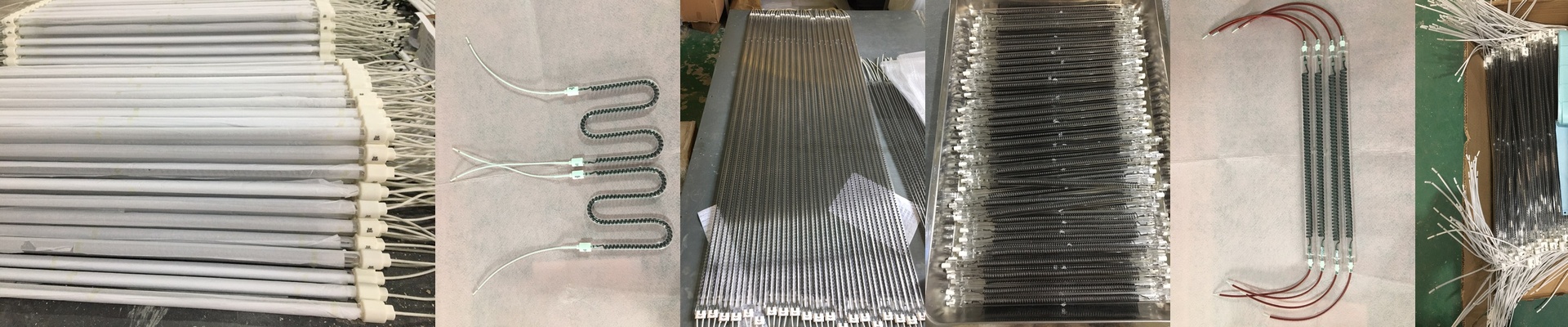
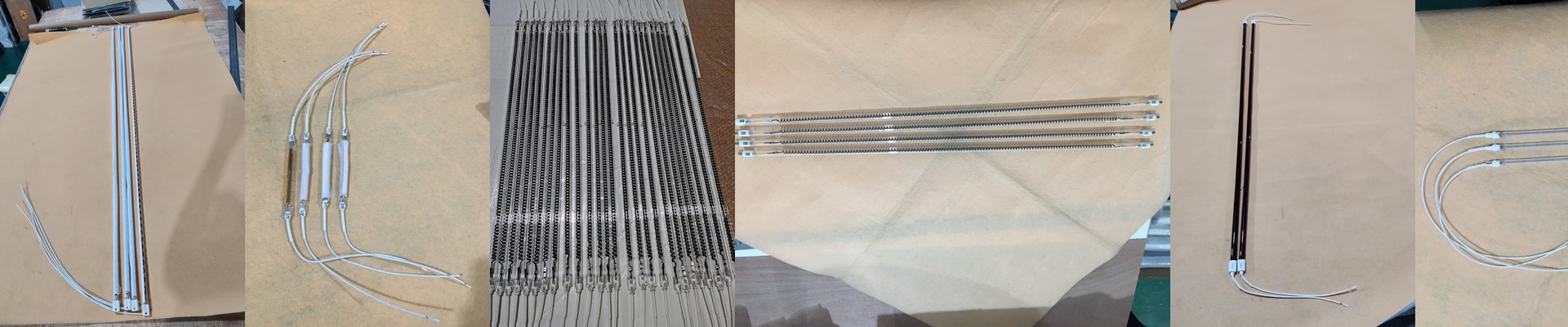
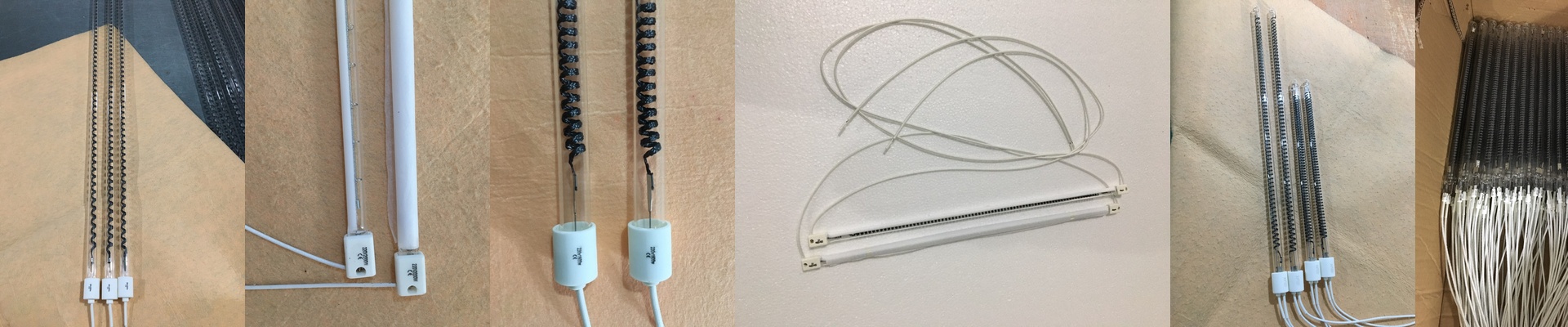
Most cheap heaters just blast energy everywhere. It’s like trying to perform surgery with a sledgehammer. We do things differently. By tweaking the filament and the coating on the quartz, we narrow the beam. We push the energy into a short-wave or medium-wave range. Why? Because that’s the sweet spot. It lets the heat pass right through the outer shell and hit the internal part you’re actually trying to fix. It saves you from that dreaded “heat soak.” You know the feeling—when the whole device gets hot to the touch and the chassis starts to sag. With our setup, the target material drinks up the energy, leaving the rest of the device cool.
Built for the Grind
In a real repair shop, you can’t wait around for a tool to warm up. You need it hot now, and you need it to cool down the second you’re done. We used high-density filaments to keep the head small and nimble. But a word of advice: keep an eye on your power. Pushing a lot of juice through a tiny head can burn out the filament if your voltage jumps around. Grab a stabilized power supply. Your wallet will thank you when the heater lasts way longer.
Getting it Up and Running
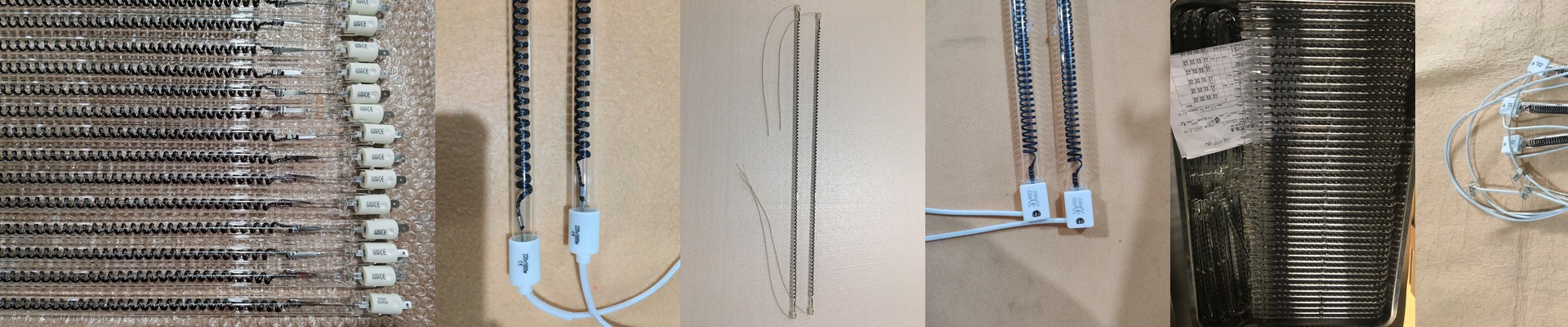
We made these as drop-in replacements, so you don’t have to rewire your entire station. The connectors are standard, so it’s basically plug-and-play. Just a heads-up: because this heat is so concentrated, it’s a lot more aggressive than what you’re used to. Don’t just leave it on. Play around with your dwell time to make sure you don’t overheat the board. A little goes a long way.