Building a Better IR Heater for SMT Repair
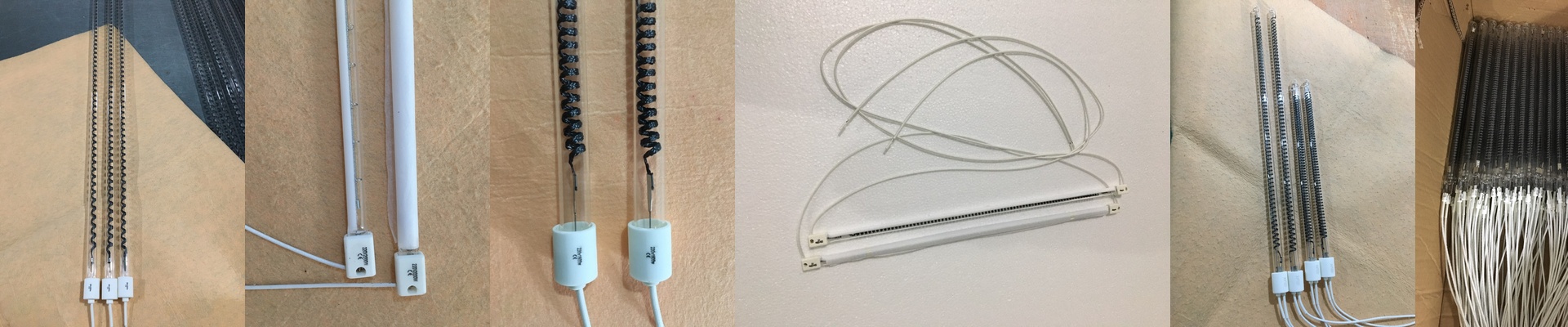
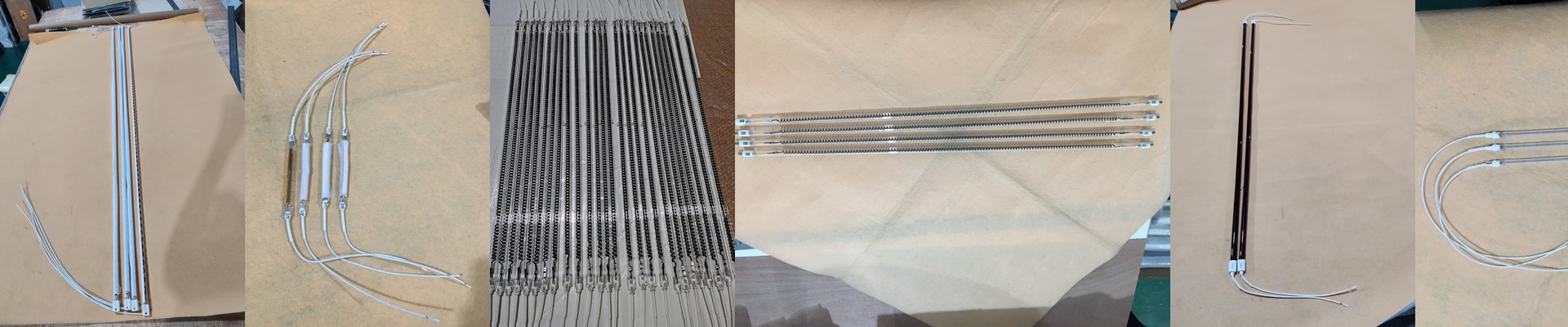
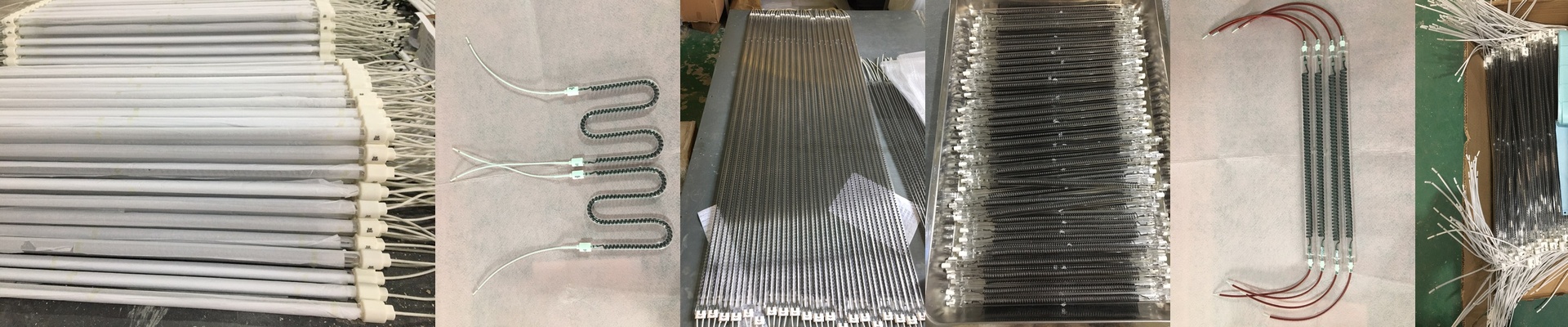
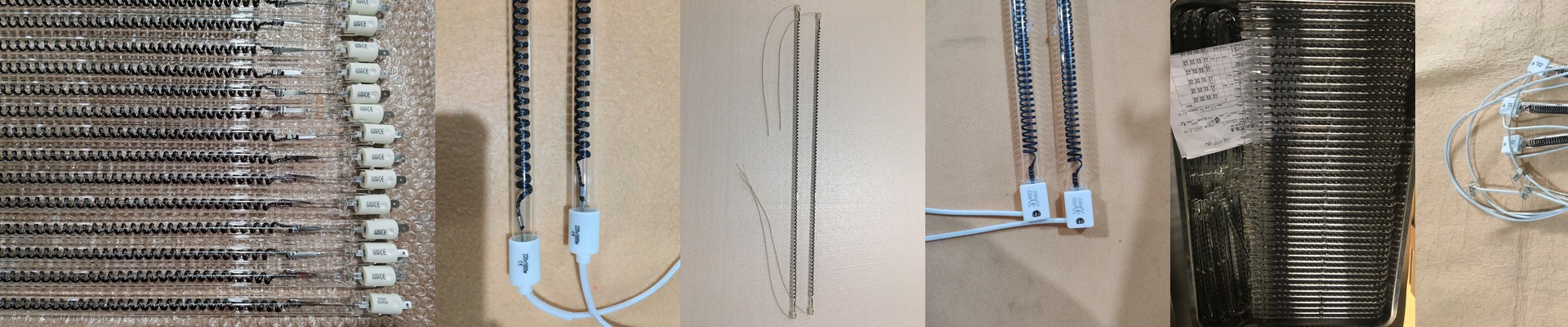
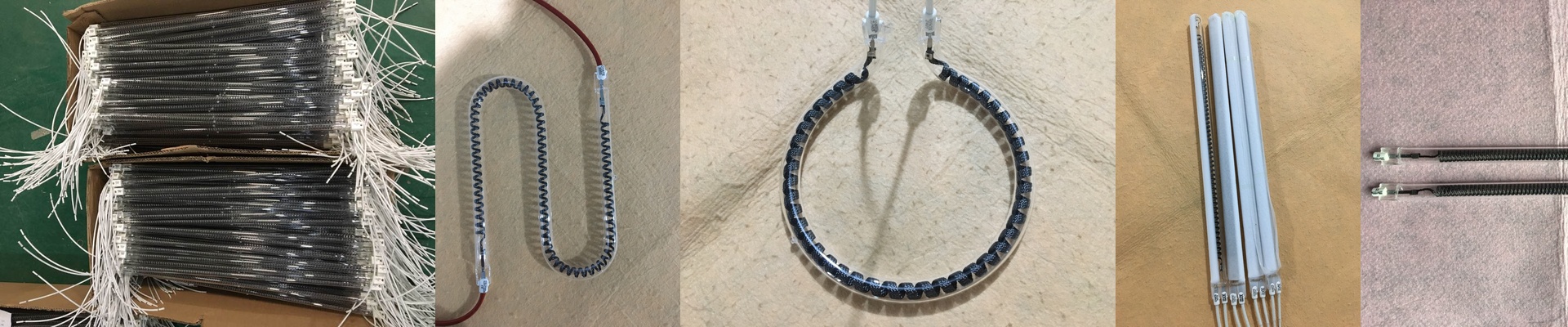
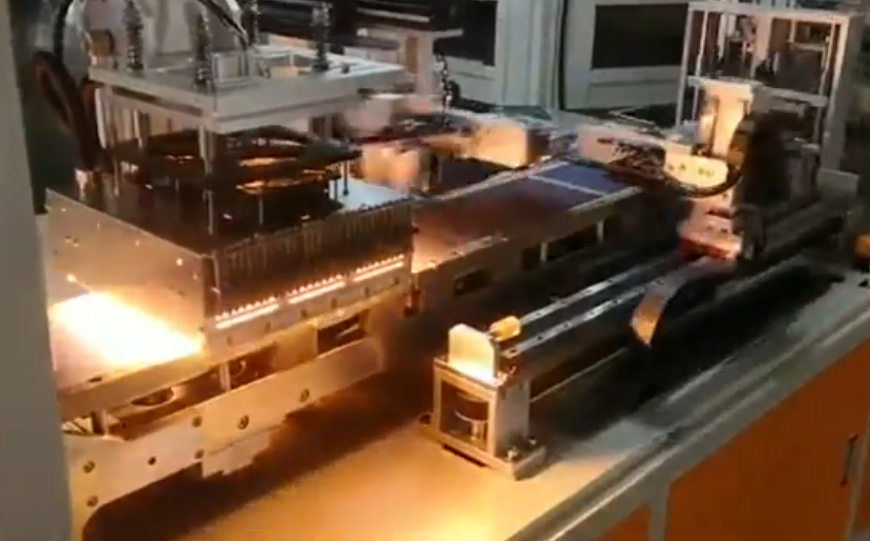
We spent a lot of time hanging out in about 2,000 different SMT workshops. We wanted to figure out why the standard heaters everyone uses keep failing when it comes to smart home devices. The problem is simple: modern PCBs are tiny. Most off-the-shelf lamps just aren’t built for those tight footprints. You end up in a situation where you’re trying to melt a solder joint, but you’re accidentally melting the plastic housing right next to it. Not ideal. The trick with the heat We lean heavily on short-wave infrared (SWIR). Here’s the thing: long-wave heat just hangs around in the air, wasting energy. SWIR is different. It cuts right through the component body and hits the solder where it counts. We spec these lamps to ramp up fast. If your heater drags its feet getting to that liquidus temperature, you’re just baking the board for no reason. We use high-wattage density tubes to keep the heat concentrated. Just a heads-up—because it’s so powerful, you’ve got to keep your PID controllers dialed in. If you don’t, you’ll fry the board before you even realize it. The nuts and bolts Quartz glass is the way to go. It doesn’t crack or freak out when you’re cycling the power on and off all day. For the connectors, we stick with R7s or SK15. Why? Because when a lamp pops on a busy production line, you can’t spend an hour rewiring things. You just want to swap it out and get back to work. We also like using coated quartz. It bounces the heat upward, which stops the heater housing from acting like a giant sponge that steals all your energy. Making it actually work Putting these into a repair station is all about the distance. Too close? You get hot spots that ruin the board. Too far? The heat just vanishes into the room. We’ve found a sweet spot with the wattage-to-length ratio that stops that annoying “center-heavy” heat pattern you see in the cheap stuff. Oh, and don’t forget the fans. Make sure your cooling is beefy enough to handle the ambient heat, or the electronics in your station will start drifting, and then you’re back to square one.