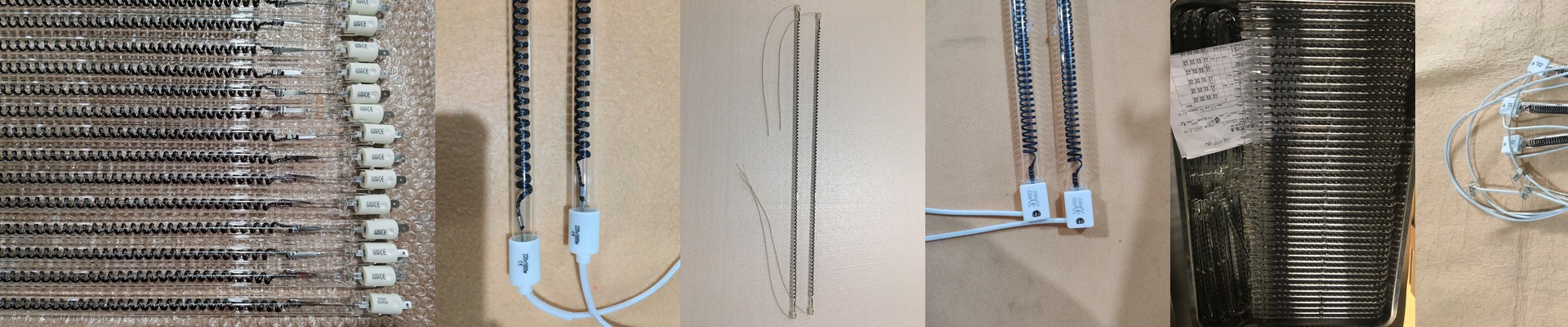
Keeping Your Rapid-Pulse Heaters from Warping
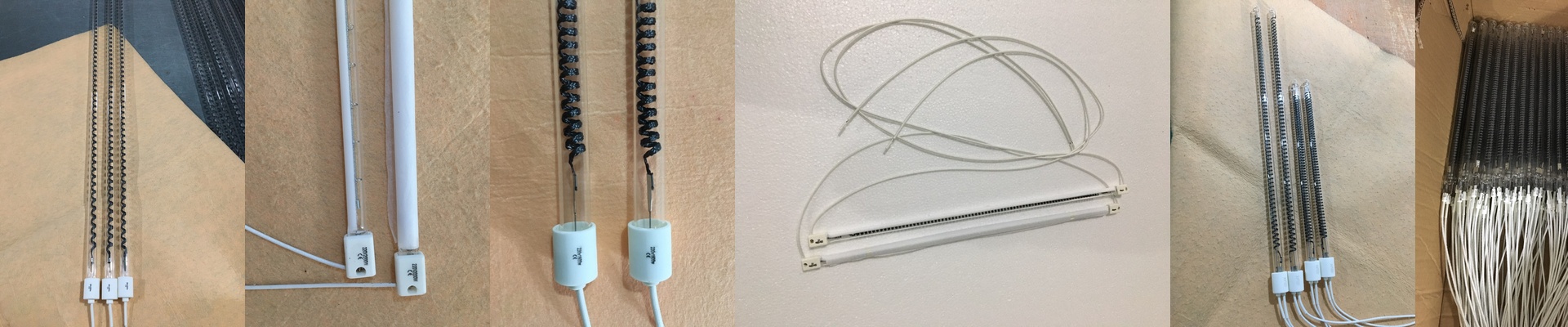
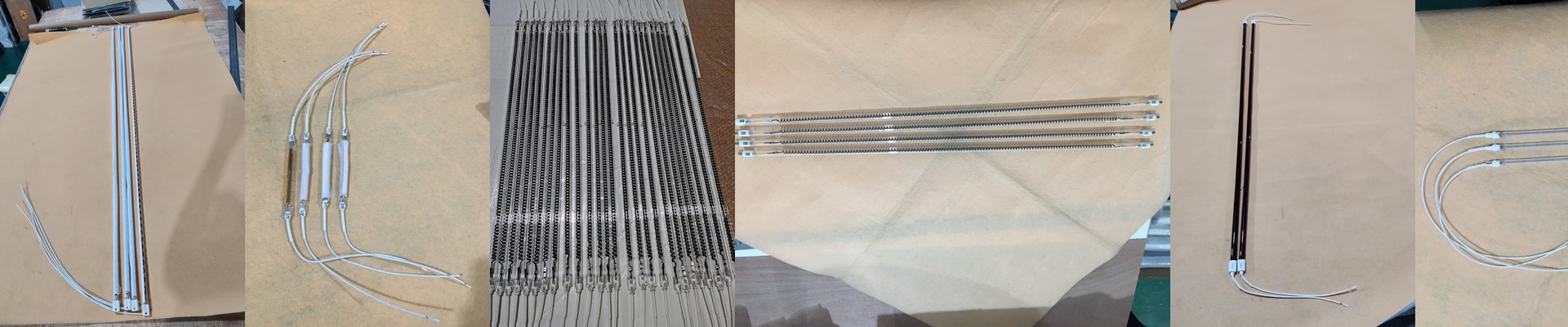
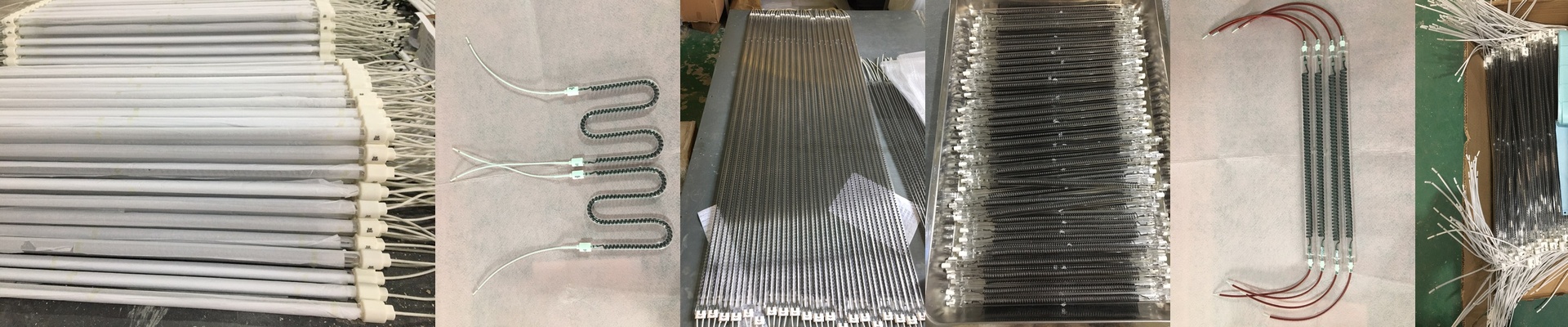
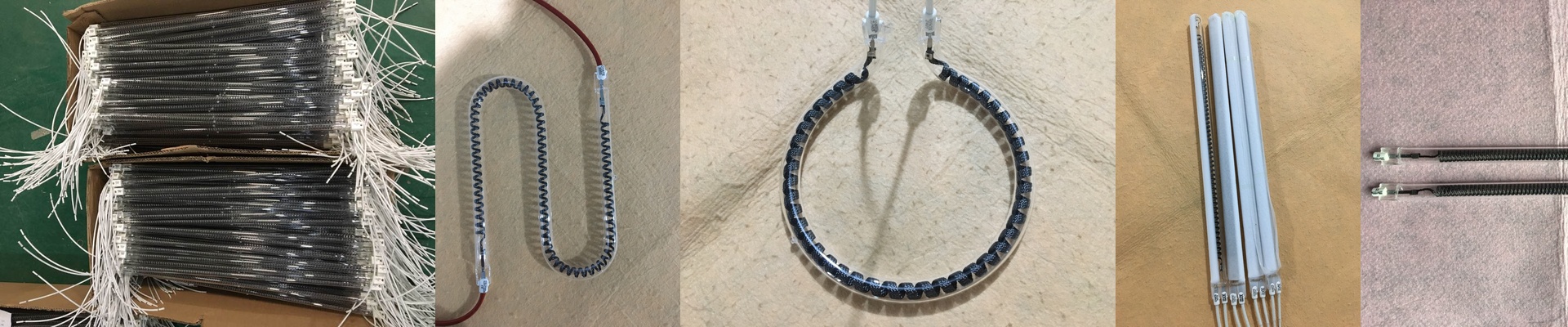
When we’re repairing smart home gear, we rely on infrared lamps for that quick “flash” heat. It’s a brutal process. The lamp has to jump from room temperature to searing heat in a matter of seconds, and it does this thousands of times. Most people think the quartz tube is the weak link. It’s not. The real headache is the filament support. If that bracket warps even a tiny bit, the filament sags. Once it sags, it hits the tube wall or shorts out, and your lamp is toast. The battle against thermal shock Rapid pulsing is violent. The filament expands and contracts like crazy every time it fires. To stop the supports from snapping under the pressure, we use high-nickel alloys. The trick is getting the support to move at the same rate as the tungsten filament. If they aren’t in sync, the bracket takes a beating every single time the power kicks in. We put these supports through the wringer—tens of thousands of cycles—searching for microscopic cracks or any sign of bending. A shift of a fraction of a millimeter might not look like much, but it ruins the heat distribution on the repair surface. The speed vs. lifespan trade-off Here’s the thing: we can cram more wattage into a shorter tube to make the ramp-up time faster. It’s tempting. But that adds a lot of mechanical stress. High wattage means the filament runs hotter, which eventually softens the metal. You get your speed, sure. But if the supports aren’t built for those extreme temps, your lamp life is going to plummet. Finding the sweet spot So, how do we keep things straight? It all comes down to tension during the winding process. It’s a balancing act. If we over-tension the filament, it snaps too early. If we leave it too loose, the lamp sags under its own weight after a few hundred cycles. We spend a lot of time tweaking that tension and picking the right material grade so the lamp stays perfectly straight for its entire life.