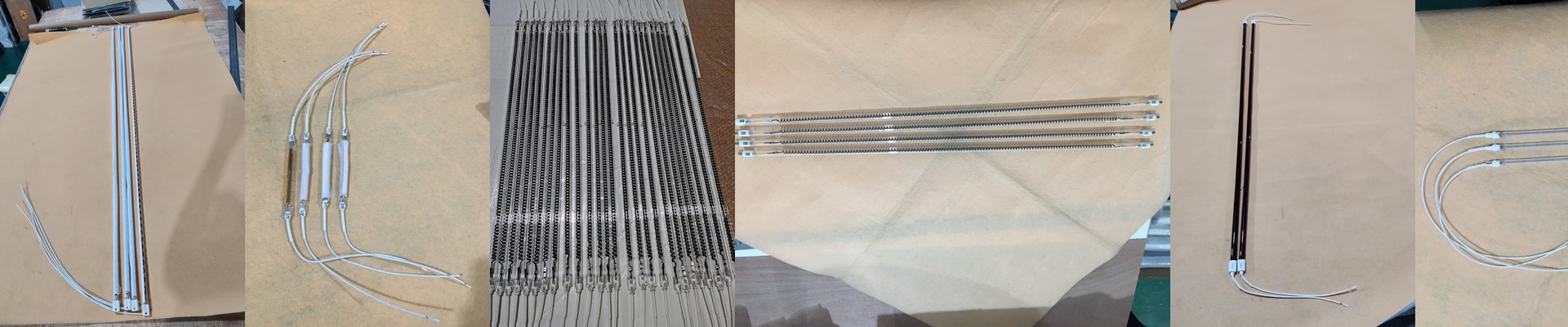
Shortwave or Medium-Wave? Picking the Right Quartz Lamp for Your SMT Line
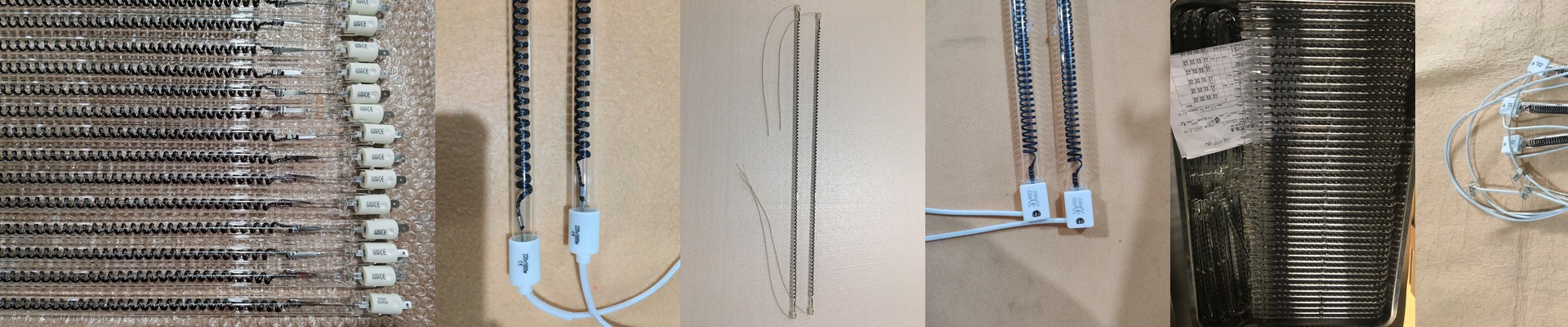
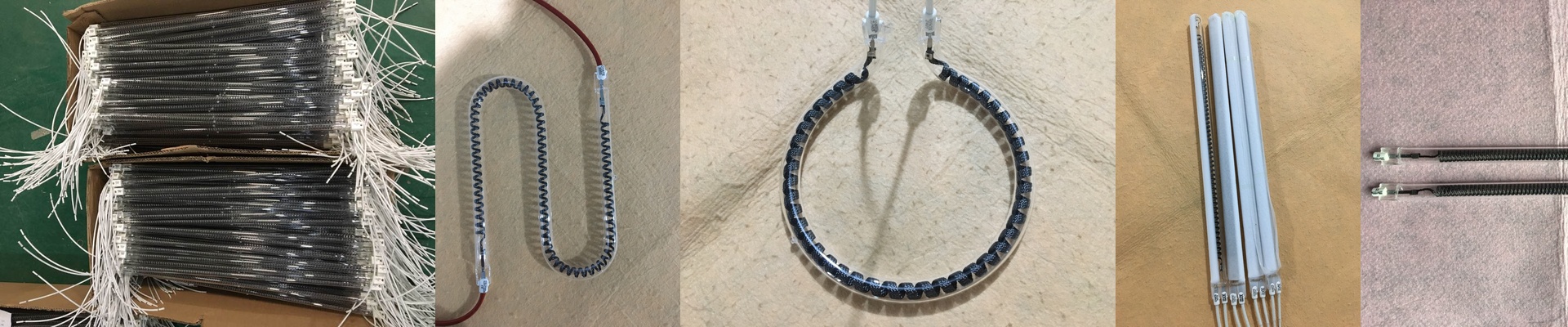
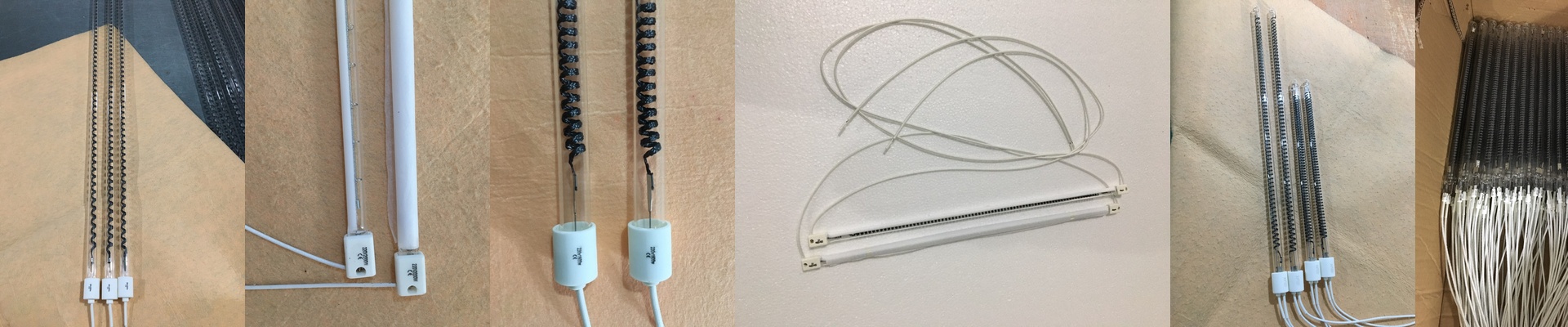
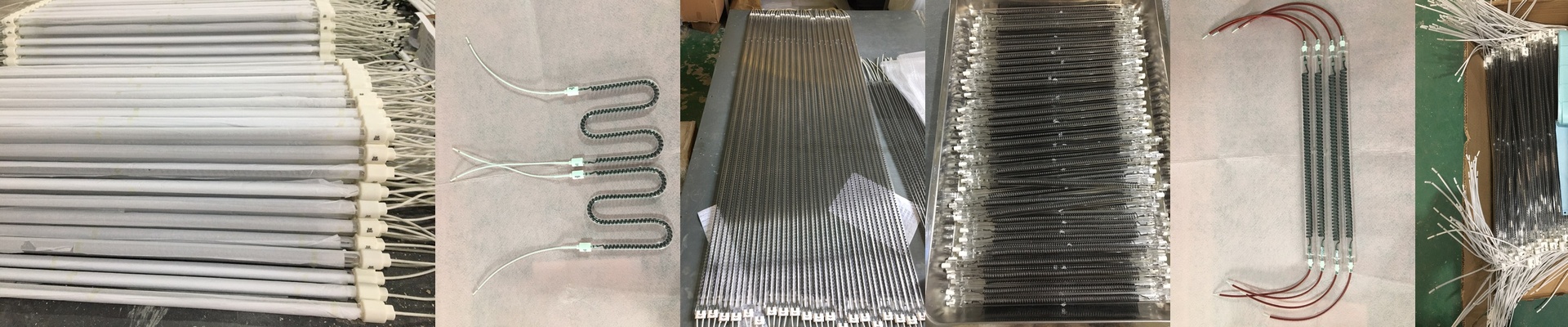
If you’ve ever looked at a board and seen cold joints or—even worse—burnt traces, you know the frustration. Usually, it comes down to the infrared lamp you’re using. Specifically, the wavelength. Now, both shortwave and medium-wave lamps use quartz glass. We do that because quartz doesn’t warp when things get scorching hot. But while they look similar, they move heat in completely different ways.
The Heat Factor
Shortwave IR is like a blast of heat. It’s intense. It hits the board hard and fast, which is exactly what you want when you’re trying to get thick solder paste to melt in a matter of seconds. If your main goal is a fast ramp-up, this is the way to go. Medium-wave is a different story. Think of it as a slow, steady soak. It takes its time, letting the heat sink deeper into the components without rushing. It’s the safer bet when you’re working with delicate chips that might fry if they get hit with too much energy too quickly.
A Word on the Hardware
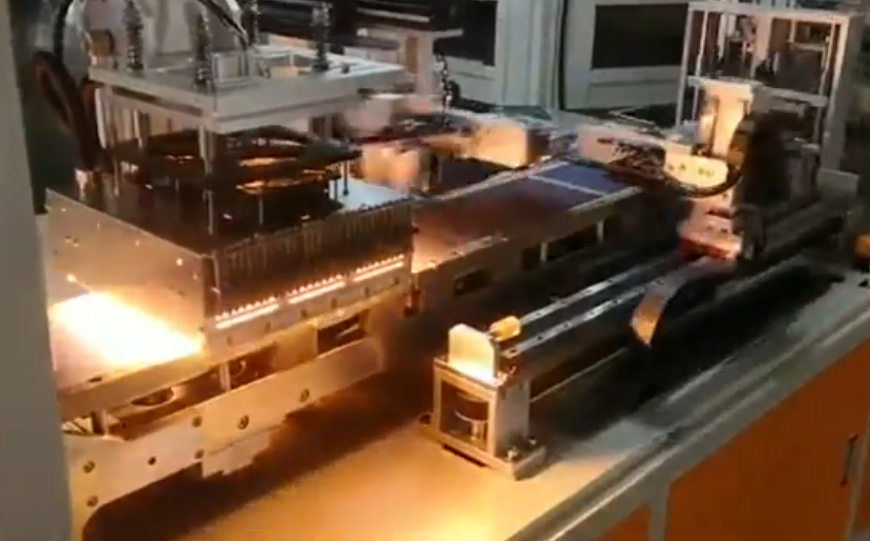
Since we use high-purity quartz to let the IR through, these tubes can get incredibly hot. Here’s the thing: shortwave lamps create a massive amount of heat density. You can’t just toss them into any old rig and hope for the best. If your cooling system isn’t up to the task, you’re going to melt your sockets and fry your wiring. It’s a mess you definitely want to avoid.
So, which one should you use?
It really depends on what’s slowing you down. If you’re desperate for more speed and want to shrink your heating zone to save some floor space, go with shortwave. Just remember it’s aggressive. But if you’re tired of seeing boards end up in the scrap bin because of thermal shock, medium-wave is your best friend. Check your thermal profile. If your throughput is the bottleneck, go shortwave. If you’re losing too many boards to overheating, make the switch to medium-wave.