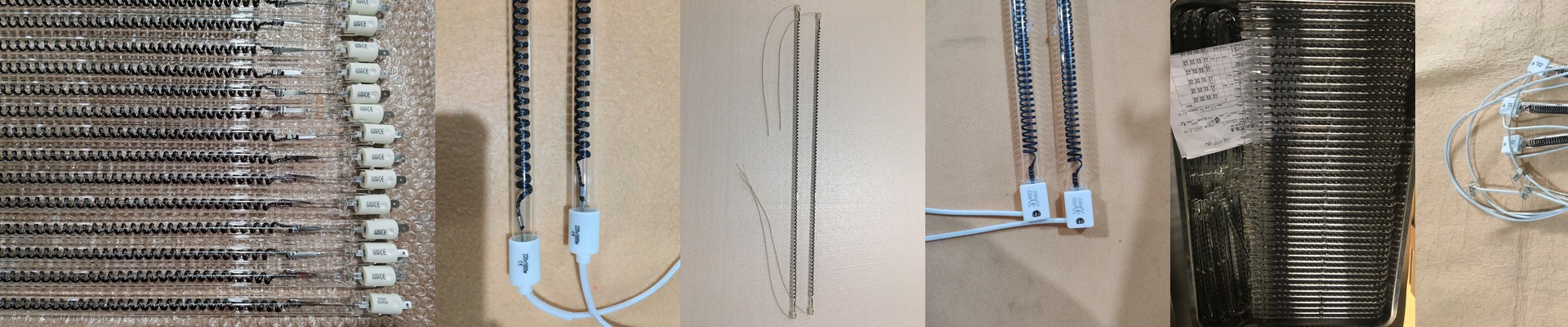
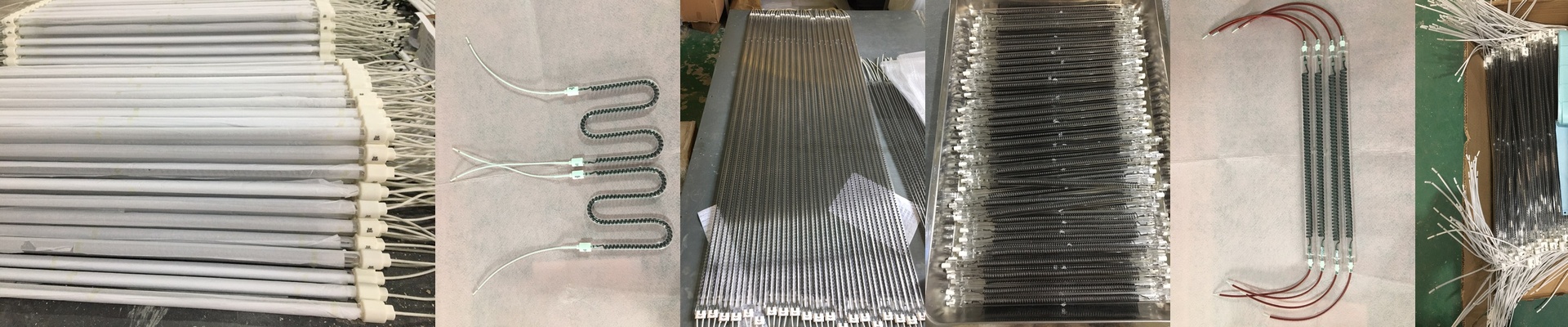
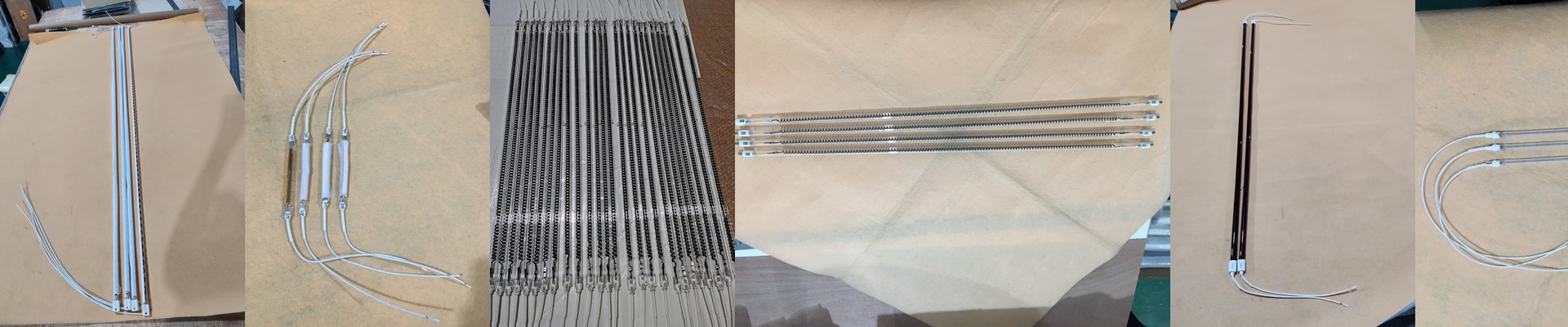
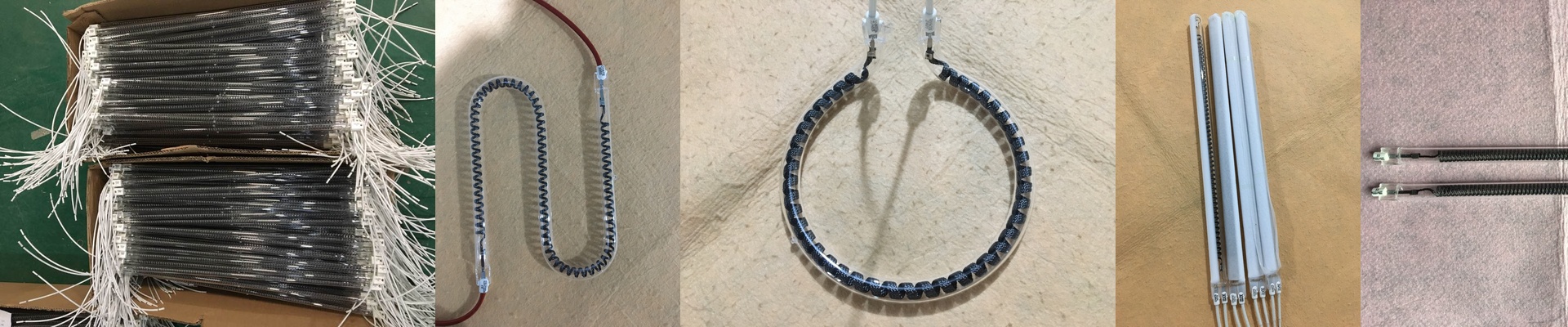
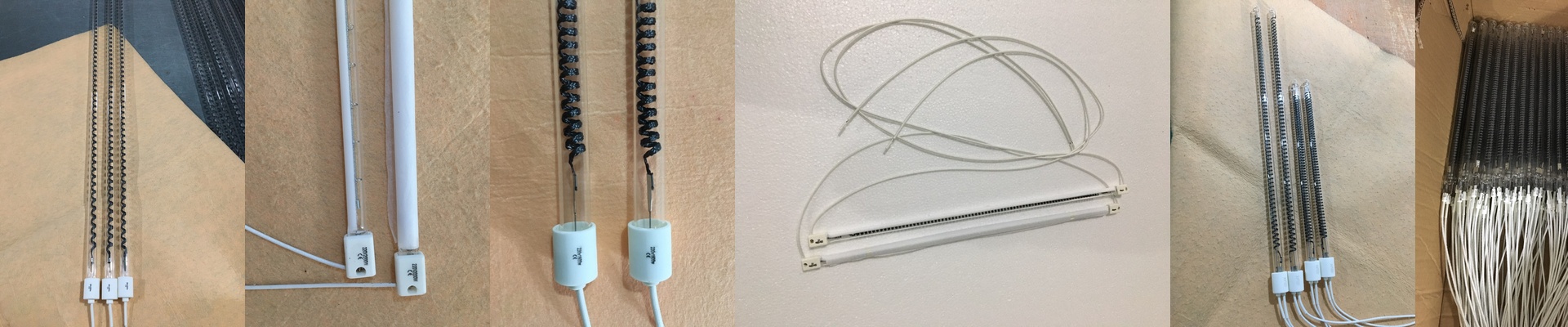
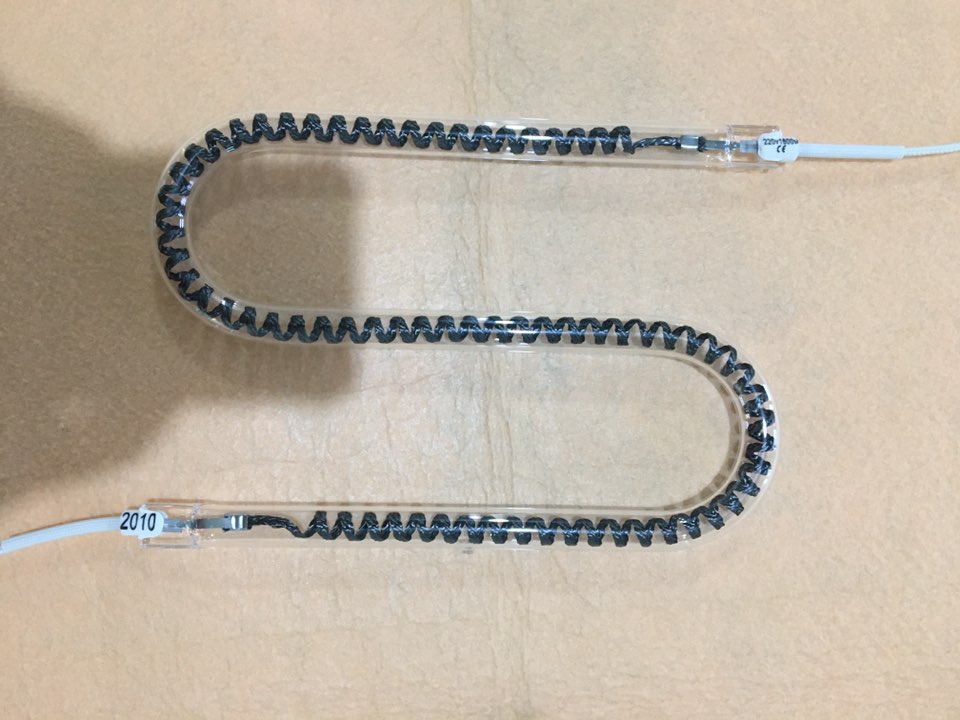
Let’s talk about our 230V 1800W Carbon Fiber IR Heaters
If you’re in the garment or textile printing world, you know the struggle of getting ink to set without ruining the fabric. That’s why we built these 1800W carbon fiber lamps. Instead of those old-school quartz tubes, we use a carbon fiber filament tucked inside a quartz sleeve. At 230V, they hit the ink pigments hard, but they’re gentle enough that you won’t end up scorching your cloth. Why the power matters 1800W isn’t just a number—it’s about speed. These things heat up fast. Really fast. When you’ve got a conveyor line moving and the fabric is flying by, you can’t afford to wait for your heaters to catch up. We chose 230V to keep the heat density high without overloading your system. Just a heads-up: make sure your voltage regulation is solid. If the power jumps around too much, you’ll burn through those filaments way faster than you should. Carbon fiber vs. the usual stuff Here’s the cool part. Carbon fiber puts out medium-to-long wave IR. In plain English? It sinks deeper into the ink layers than the short-wave stuff does. Plus, they’re tough. The quartz envelope keeps the shop floor grime and moisture away from the filament. And because carbon fiber doesn’t expand and contract as violently as tungsten, these lamps can handle being switched on and off all day without snapping. Getting it right on the print bed The biggest headache in textile curing is the “cold spot.” You know the drill—some ink cures, some doesn’t, and then the customer complains about peeling. These lamps give you a nice, even heat footprint across the whole bed. No surprises. But a word of caution: 1800W in a small package creates a lot of intense heat in one spot. Don’t skimp on your housing or your cooling fans. If you mount these too close to the fabric without enough airflow, you’re going to burn a hole right through the cloth. Also, take a second to tune your PID controllers. Since carbon fiber reacts so quickly, you don’t want the temperature to overshoot and spike.