Why We Use Black Carbon Fiber for High-Heat Grilling
Let’s be honest: nobody likes standing around waiting for a grill to warm up. Those old-school resistive coils take forever to get going. We got tired of that lag, so we started building black carbon fiber heat lamps. The goal was simple: get the heat hitting the foodnow, not in ten minutes.
How it actually works
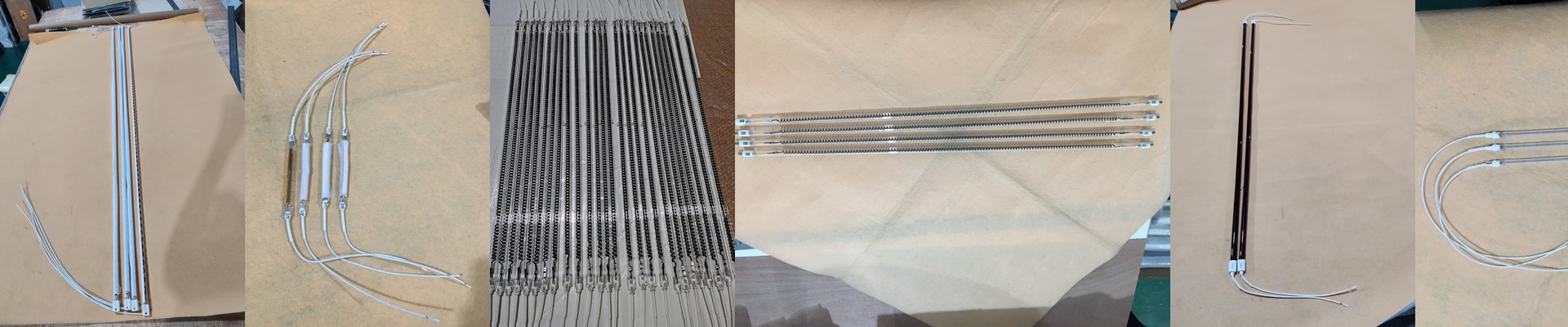
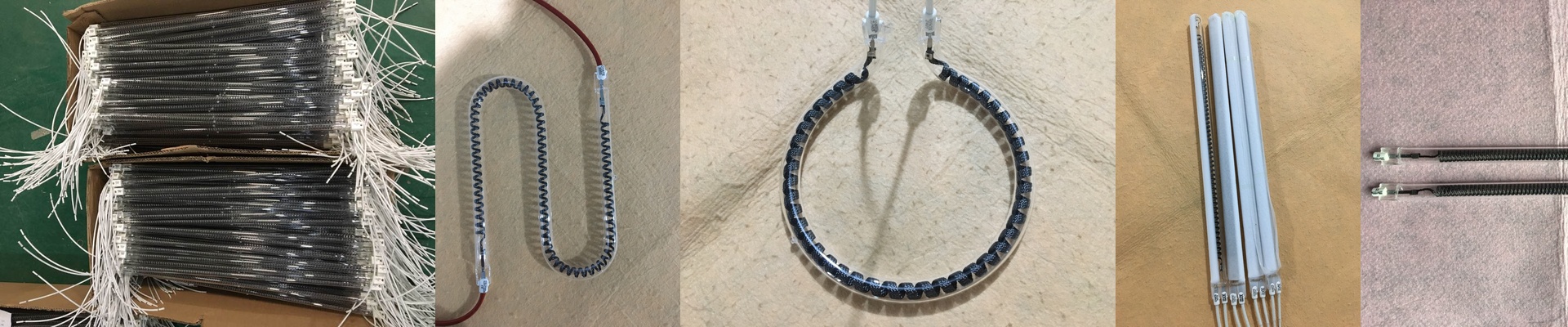
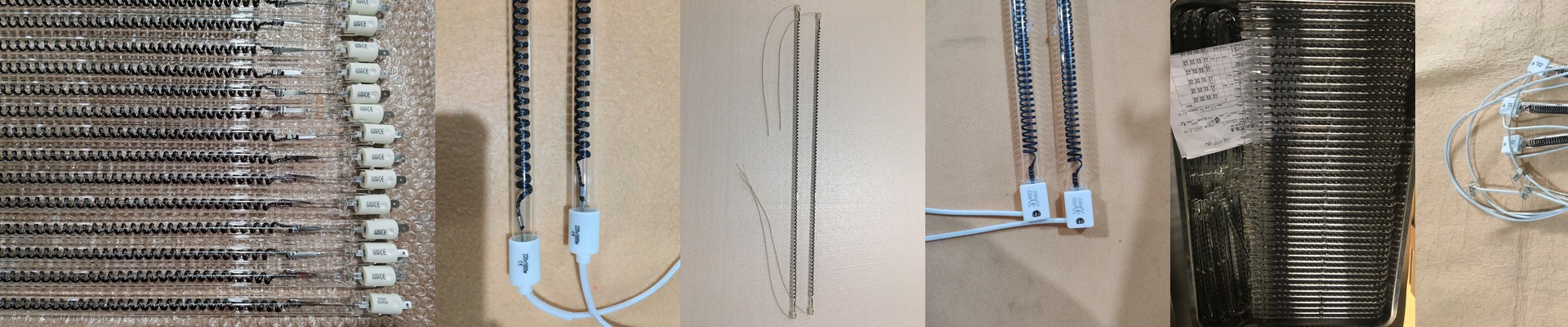
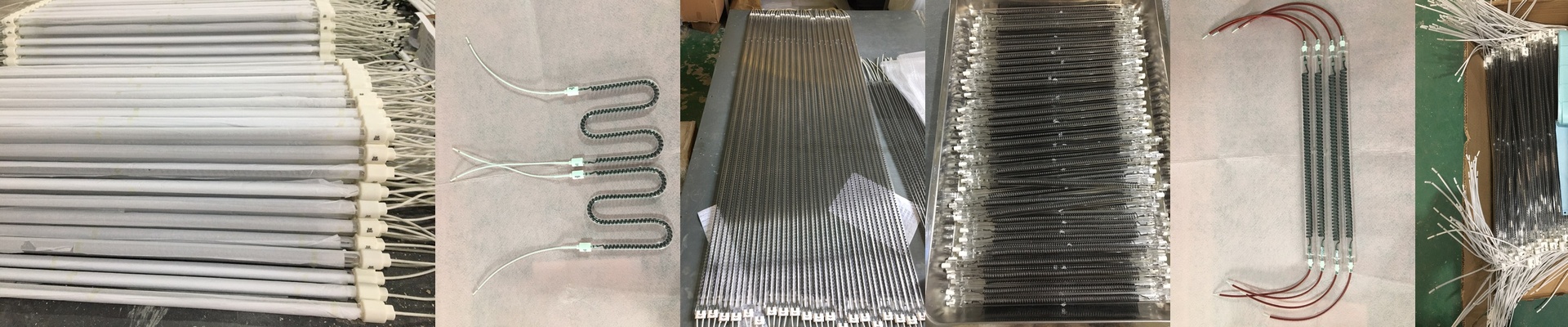
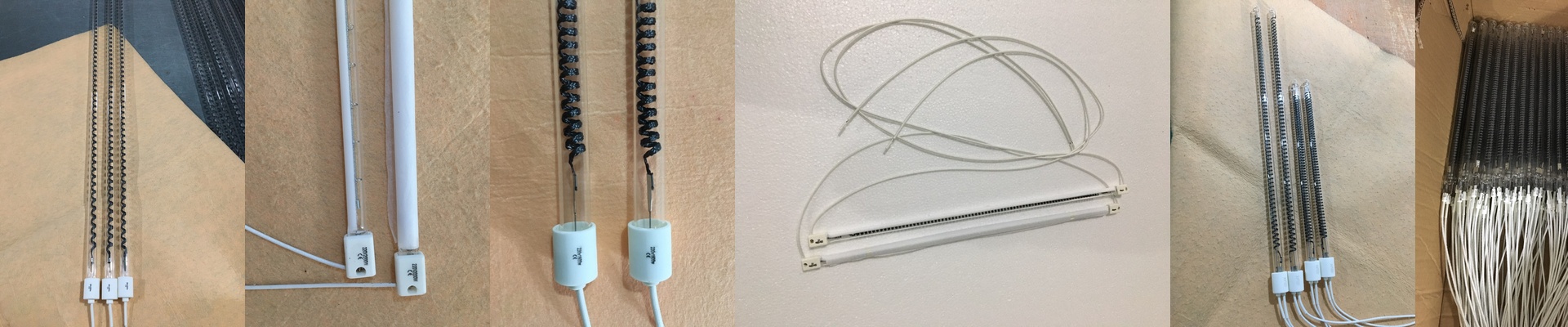
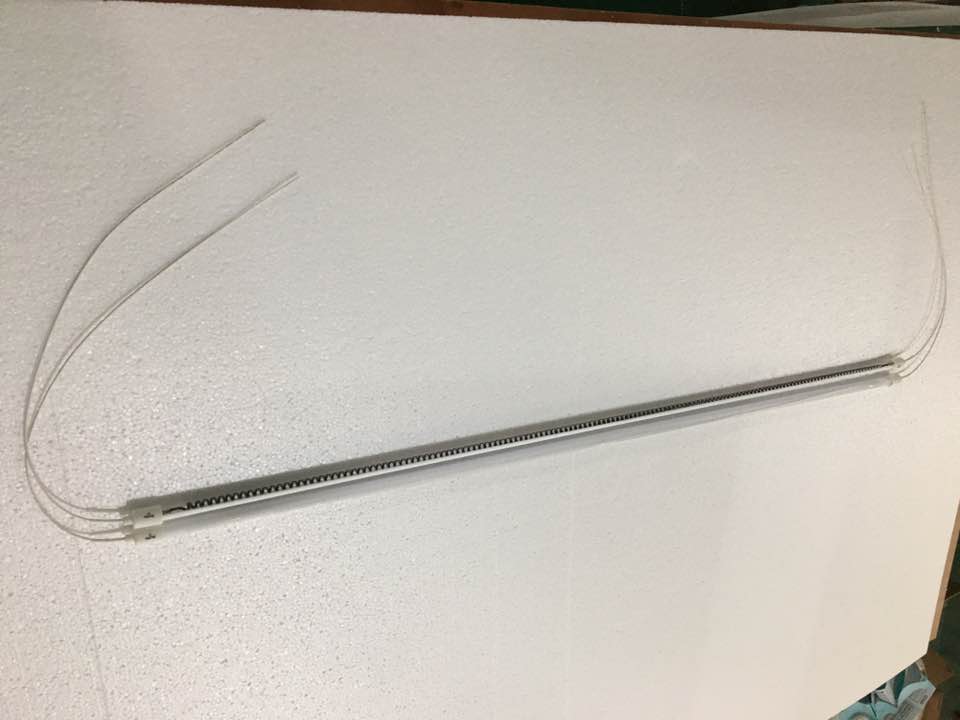
Inside the quartz tube, there’s a carbon fiber filament. Instead of the slow build-up you get with halogen tubes, this setup uses short-wave infrared radiation. It’s basically a concentrated blast of heat. Because the filament has a better surface area, the heat spreads evenly across the whole tube. You flip the switch, and you’ve got searing temperatures in a matter of seconds. It’s fast. Really fast.
The “Black” part isn’t for looks
You might notice the lamps have a black finish. That’s not a style choice. That coating helps the lamp push more infrared energy forward instead of letting it scatter and waste away. To keep things from warping when it gets crazy hot, we use high-purity quartz glass. And if you’re wondering about the fit? We use R7s or Sk15 connectors. They’re designed to be drop-in replacements, so they should slide right into most industrial grill setups without a headache.
A few things to watch out for
One big win here is that carbon fiber is tough. You can flick the power on and off quickly without worrying about the filament snapping, which happens all the time with metal alloys. But here’s the catch:these things run hot. Since that black coating is so efficient at pushing heat, the housing around the lamp is going to feel it. You’ll need to make sure your reflectors and vents can handle the heat, otherwise, you might find some of your plastic parts melting. Also, keep an eye on your power. If your voltage is jumping around, you’ll fry the filaments way too early. Just make sure your power supply matches the lamp’s rating exactly, and you’ll be good to go.