Why That 99.99% Quartz Purity Actually Matters for Your Shop
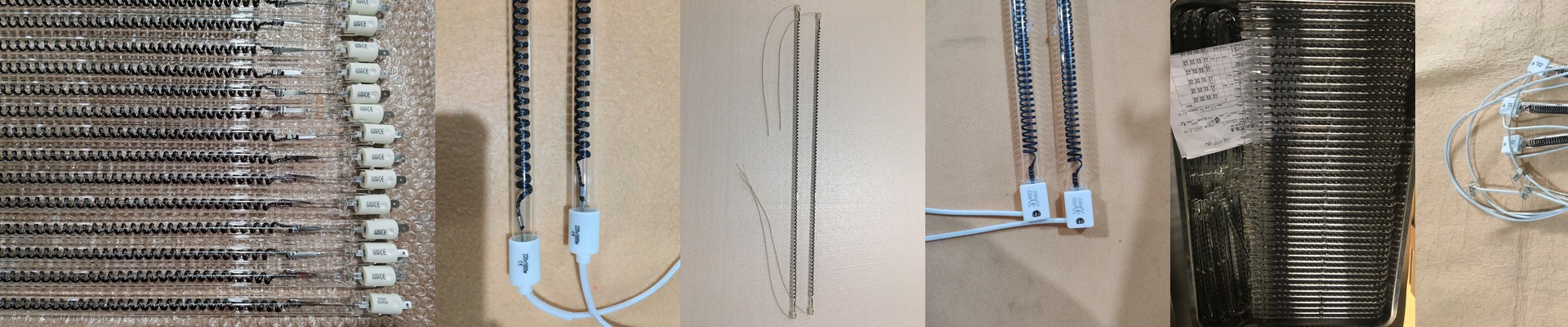
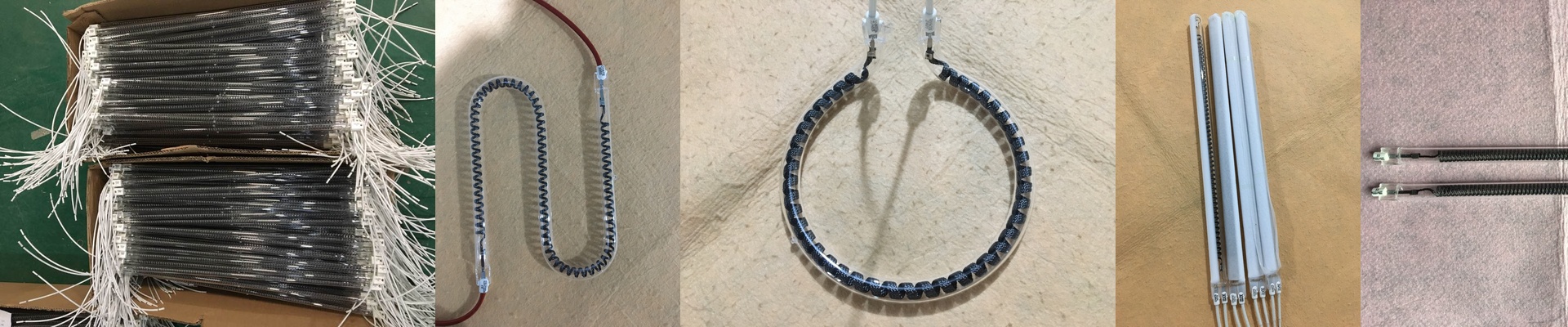
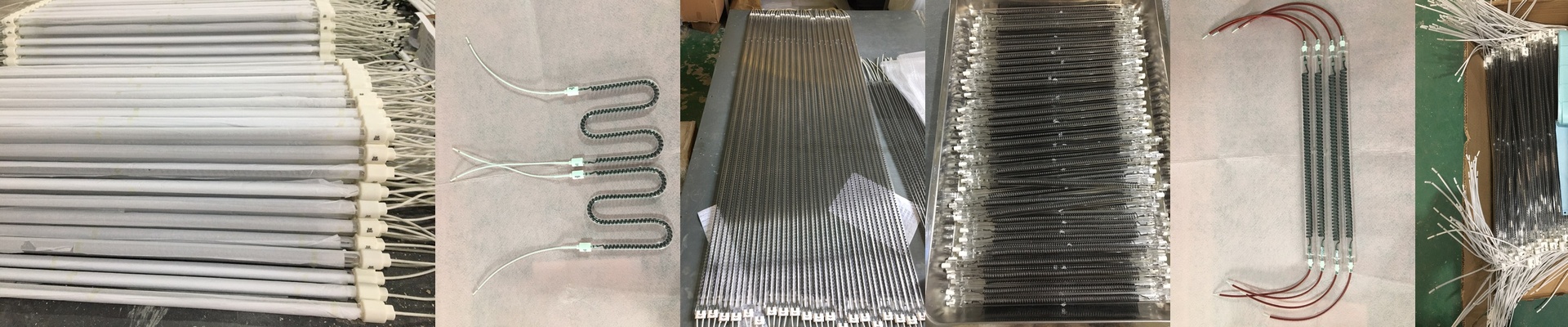
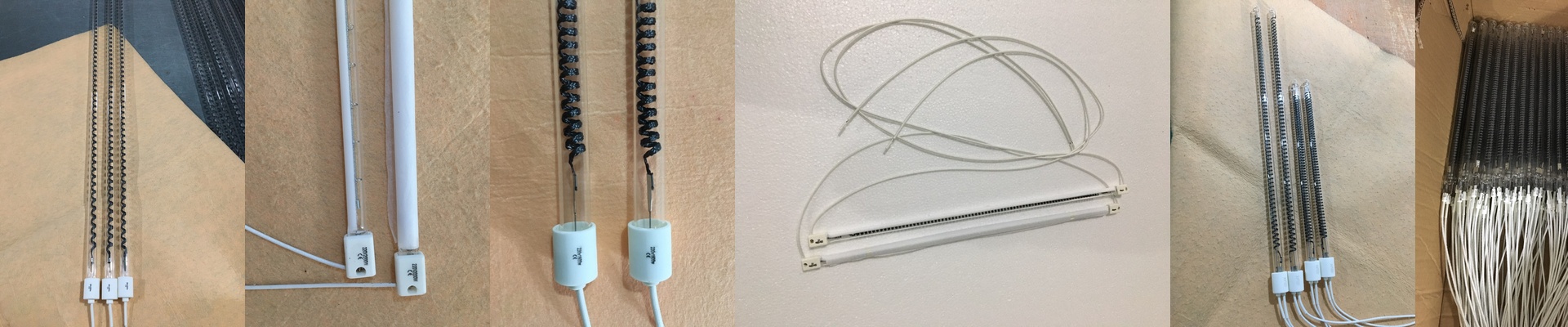
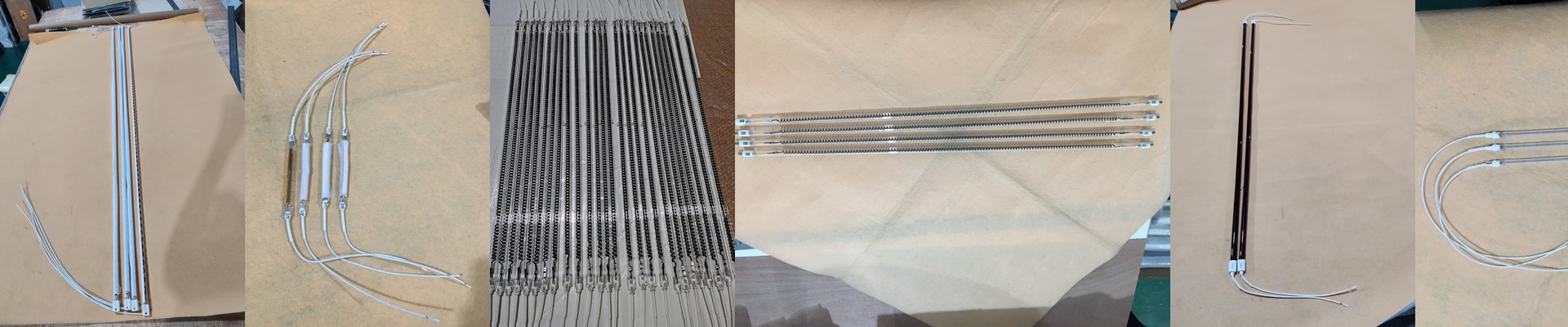
If you’ve spent any time repairing smartphones, you know the struggle. You need enough heat to soften those stubborn adhesives, but one second too long and you’ve just fried a motherboard. It’s a delicate balance. That’s why we use infrared (IR) heating lamps. But here is the secret: the glass tube—the quartz envelope—is where the real magic happens. Most shops just grab whatever standard quartz is cheapest. We don’t. We use 99.99% high-purity synthetic quartz. Why bother? It comes down to something called transmittance. Here’s the thing about standard quartz. It usually has tiny bits of aluminum or iron hiding in it. You can’t see them, but they act like a wall. Instead of letting the infrared heat pass straight through to the phone, the glass absorbs it. When you bump that purity up to 99.99%, everything changes. The heat doesn’t get trapped in the glass; it shoots right out of the tube and onto the screen or back glass. Your workpiece heats up faster, and the lamp itself stays cooler. It just works better. Plus, there’s the durability side of things. Heat is brutal on glass. Most materials expand and crack when they go from cold to hot too quickly. But pure quartz barely budges. You can crank the lamp from room temperature to full blast without worrying about the glass shattering in your face. Now, I’ll be honest—this stuff costs more. Making synthetic quartz requires a complex chemical process, so you’ll pay a bit more upfront. But think about how many cheap tubes you’ve seen burn out or crack. This is the “buy it once” option. When you actually get these wired into your station, you’ll notice the difference immediately. The heat is concentrated. It hits exactly where you want it to, without “bleeding” over and melting the plastic parts you’re trying to save. If you’re running a high-wattage power supply, you need a tube that can handle that energy without breaking down over time. That’s exactly what the high-purity stuff does. It just holds up.