Getting the Heat Right for Smart Meter PCBs
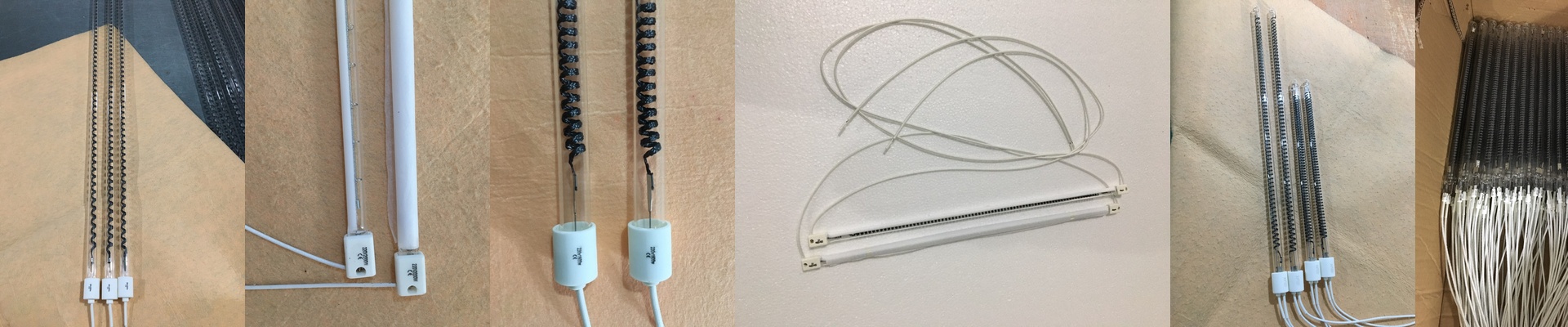
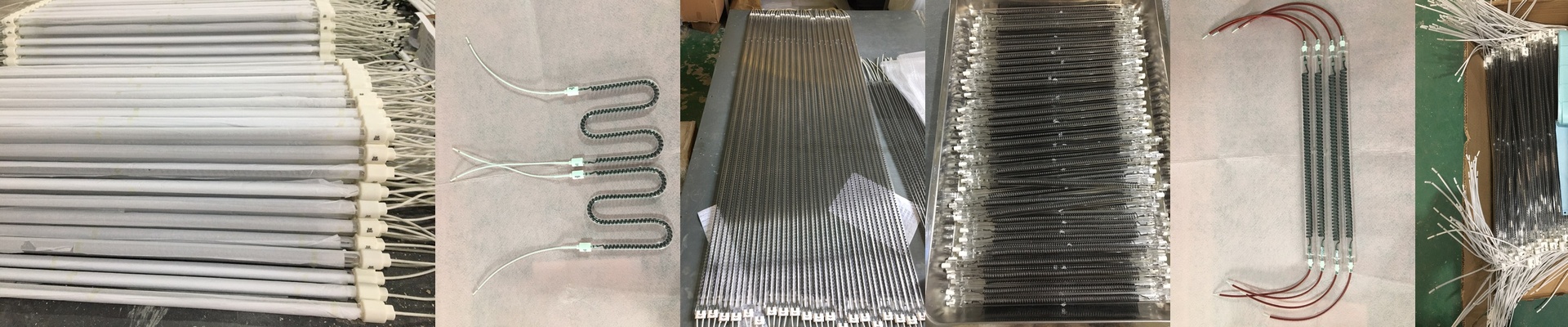
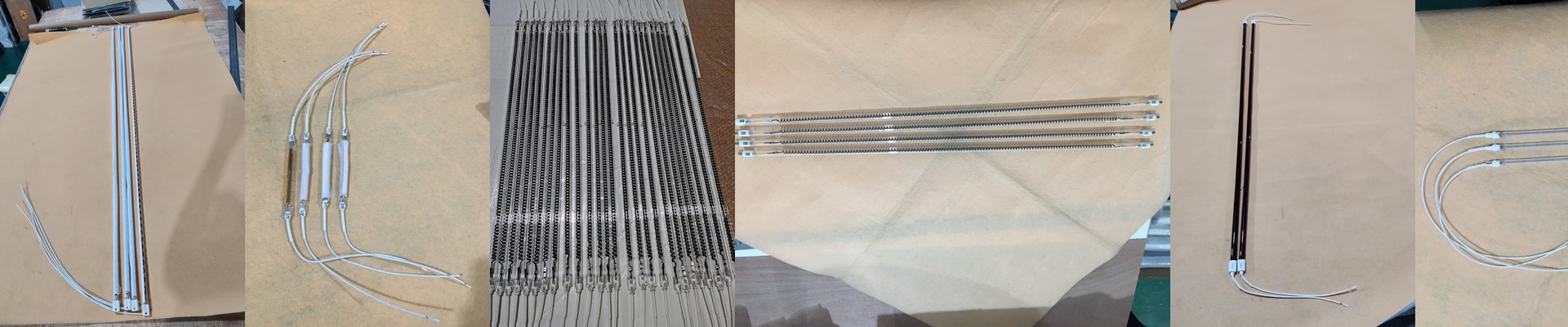
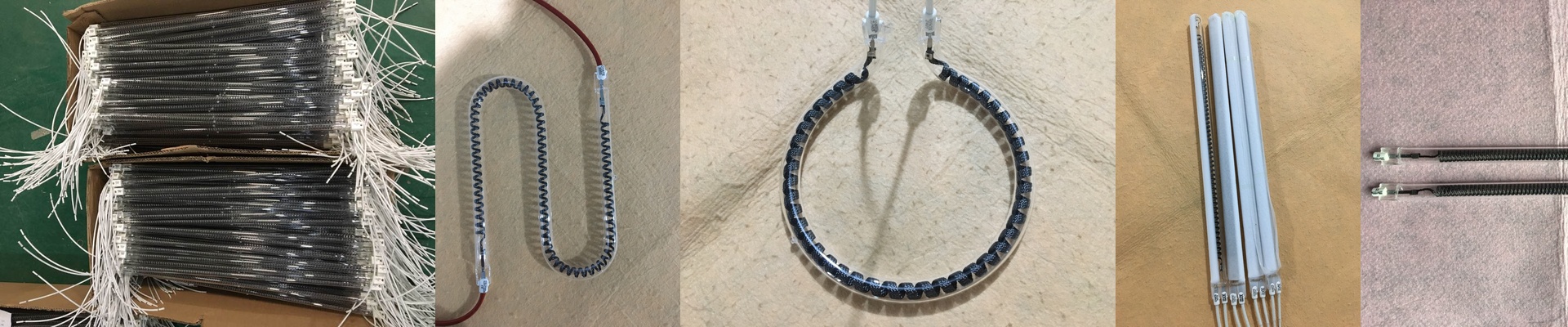
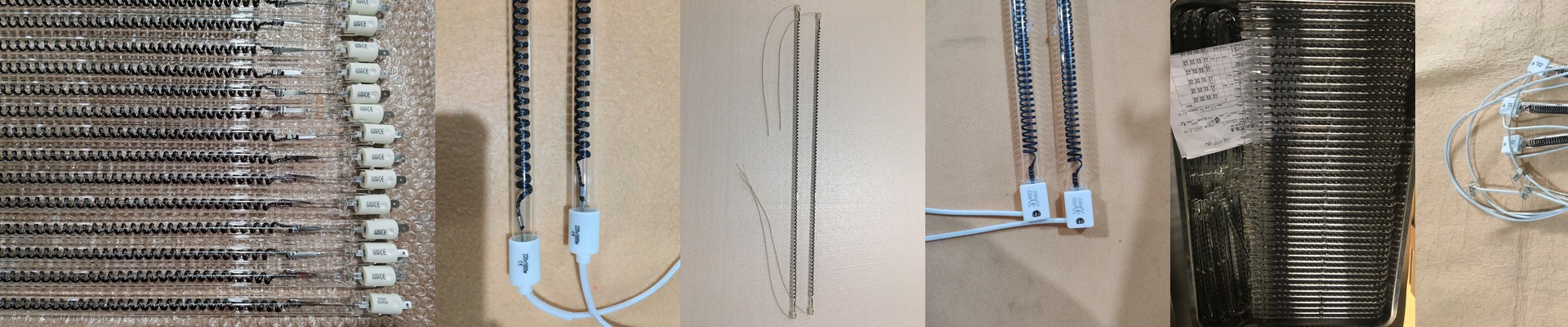
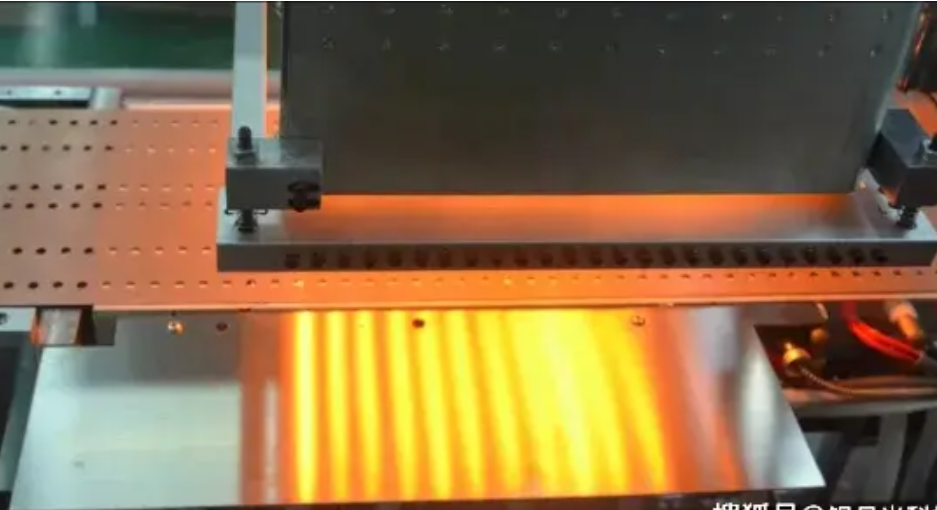
Let’s be honest: just “adding heat” isn’t enough. If you’re working with smart meter PCBs, you’re dealing with a tightrope act. You need enough heat to get those solder joints to bond perfectly, but if you go over the limit, you’re looking at warped components and a lot of wasted scrap. Most standard heaters just create hot spots. It’s a mess. That’s why we use specialized IR heating lamps. They’re built specifically for those high-density lines where there’s zero room for error. The trick is in the tuning. If your lamp’s voltage doesn’t play nice with your transformer, your filaments are going to burn out way too fast. It’s frustrating and kills your uptime. We calibrate our lamps so the heat hits the board evenly. No more “edge effect”—you know, where the edges of the PCB are scorching while the center is still freezing. About the gear… We use high-purity quartz glass because it can handle the shock of rapid heating and cooling without cracking. But here is the real secret: the coatings. We apply specific finishes to the glass that shift the wavelength of the light. Instead of heating up the air around the board, the energy goes straight into the substrate. It’s much more efficient. Plus, we use standard industrial connectors. You can just pop them into your existing rigs and get back to work without a massive headache. Making it work on the floor High-intensity IR lamps are fast. Really fast. Your throughput will jump, but that speed comes with a catch: your cooling fans have to keep up. If your exhaust system is sluggish, that ambient heat starts soaking into the sensitive sensors on the smart meter. If the air doesn’t move, your capacitors are at risk. The goal is a bit of a balance. You want your PCB hitting that target temperature exactly, while your lamp housing stays cool and happy. It just takes a bit of airflow tweaking to get it right.