Why Most SMT Heating Lamps Actually Fail (And How We Fixed It)
We spent a lot of time—and I mean really a lot of time—hanging out in about 2,000 different SMT workshops. We wanted to see why so many heating lamps just don’t cut it once they hit a real production line. If you’re doing smartphone repairs or PCB assembly, you know the struggle. You can’t just crank up the wattage and hope for the best. That’s a great way to ruin a board. You need heat that’s precise and controlled.
The trick to the specs
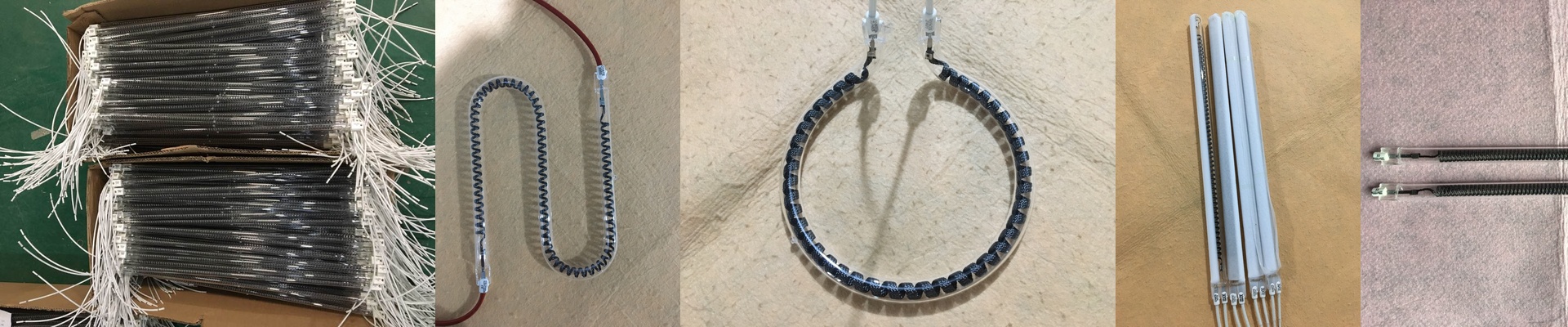
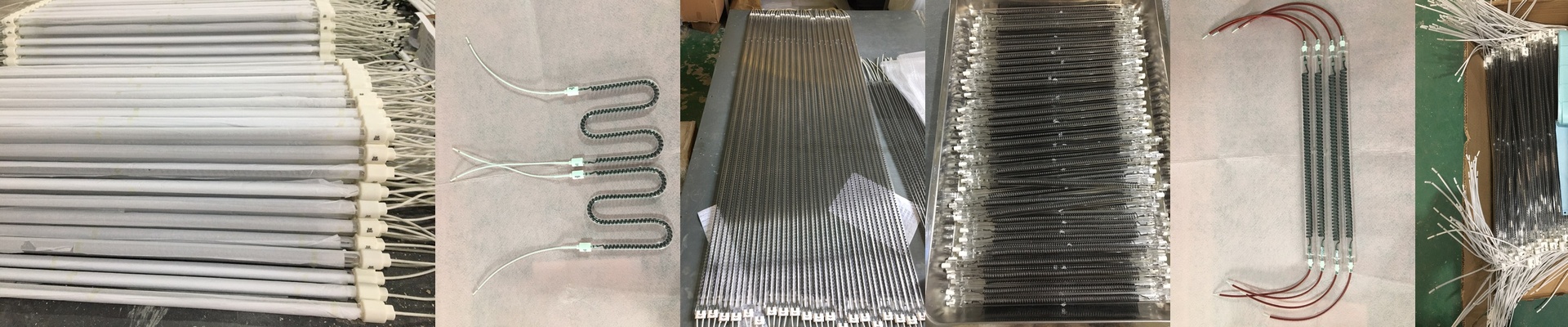
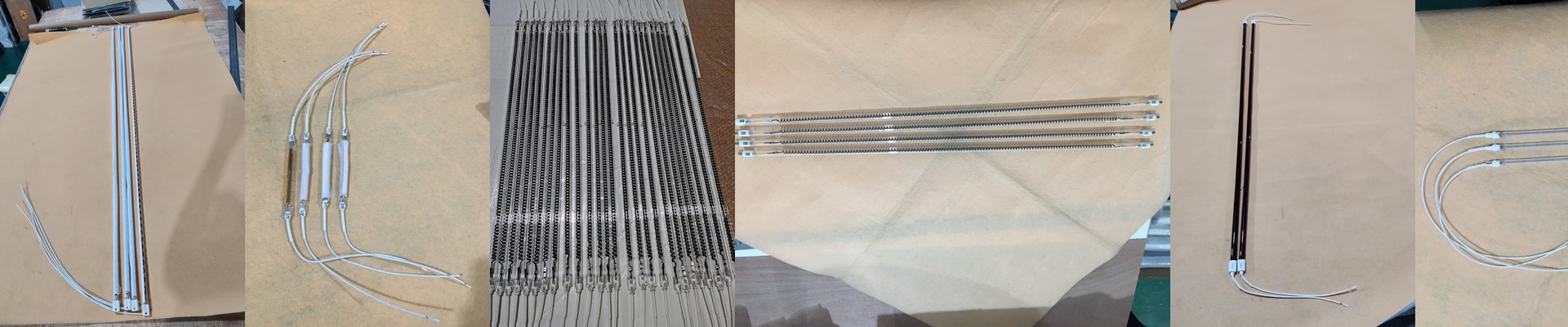
Most generic lamps have a annoying habit of heating unevenly. You’ll notice the center gets scorching hot while the ends stay lukewarm. It’s a nightmare for consistency. To fix this, we looked closely at how voltage interacts with the length of the tube. We tweaked the filament winding so the heat stays flat across the whole lamp. No more cold spots. And if you’re running a high-density line, speed is everything. We use short-wave infrared. Instead of wasting time heating up the air around the board, it goes straight into the solder paste and components. It’s just faster.
Materials that don’t crack under pressure
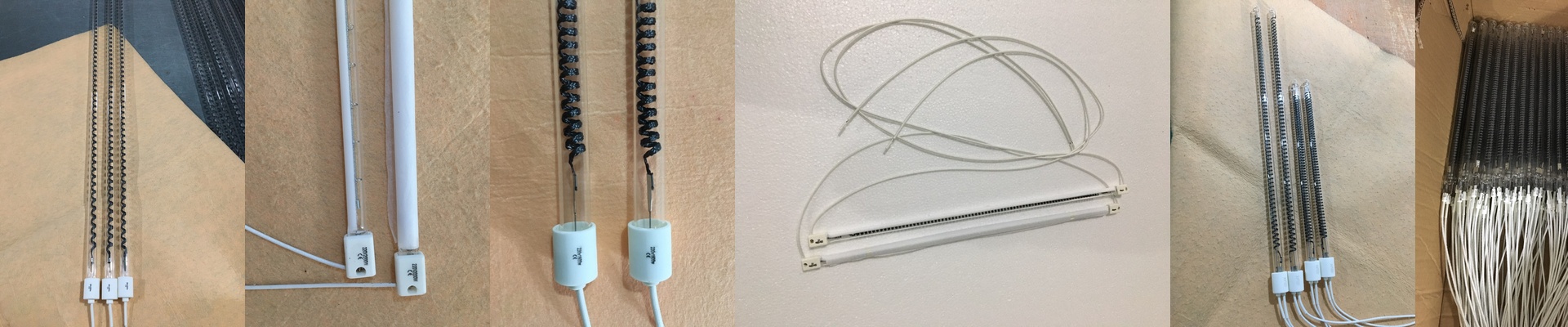
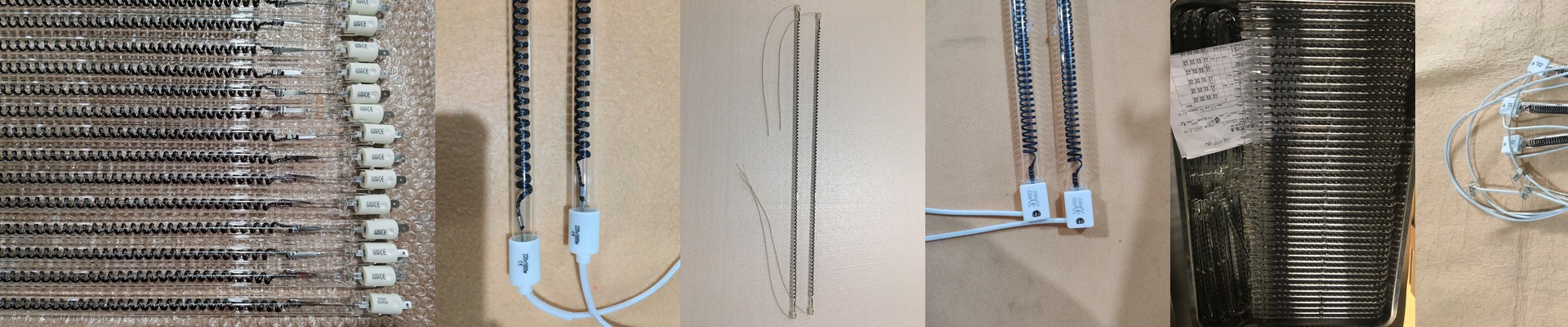
Cheap glass is a liability. If you’re cycling power on and off all day, low-grade glass will eventually just snap from the thermal shock. We use high-purity quartz because it can actually handle the stress. We also kept the connectors simple. We stick with R7s or SK15. Why? Because nobody wants to rewire their entire housing just to swap a bulb. You just pop the old one out and drop the new one in. One more thing: we added specific coatings to the quartz. This helps the heat actually soak into the PCB materials instead of bouncing off the board and cooking your machine’s chassis.
The reality of the shop floor
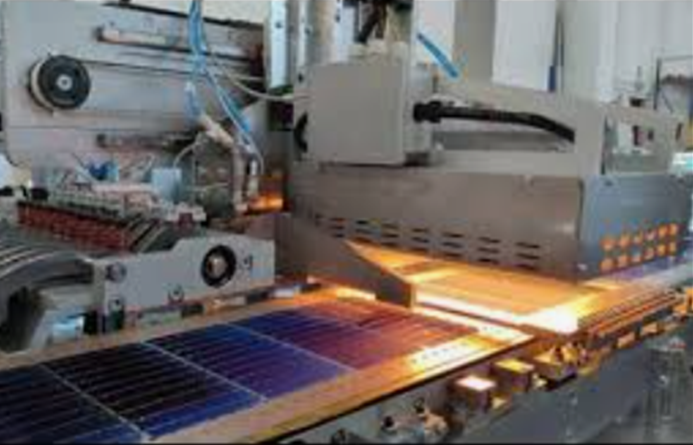
Here’s the thing about high-output lamps: they put out a massive amount of heat. If your cooling fans aren’t up to the task, your control boards are going to fry. Your ramp-up times will be lightning fast, sure, but you’ve got to manage that exhaust. Since we designed these to fit into tight spaces, there isn’t much room for air to move on its own. Keep your airflow clear. If you don’t, you’re just going to burn through your lamps way sooner than you should.