Why Radiative Heat Wins for BGA Rework
If you’ve ever tried to pull a BGA chip with a standard hot air station, you know the struggle. It feels like a fight. You’re cranking up the heat, but the board just isn’t cooperating. The problem is that air is honestly a pretty terrible conductor. When you use a hot air gun, you’re just blowing warm molecules at the surface. But with a BGA, those solder balls are hiding underneath the chip, completely shielded from the breeze. You end up in this frustrating loop: the top of the chip is practically melting, but the joints underneath are still cold. It’s a recipe for a ruined board.
How Infrared Actually Works
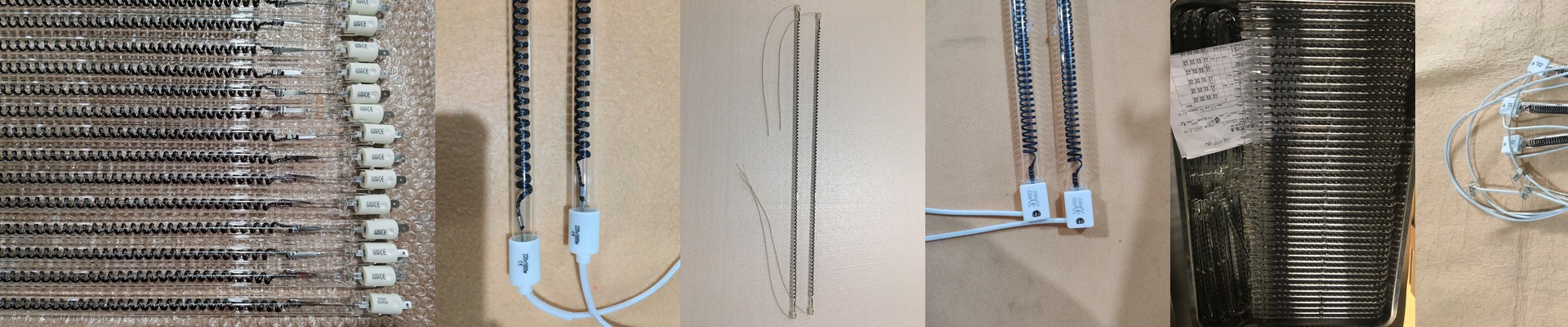
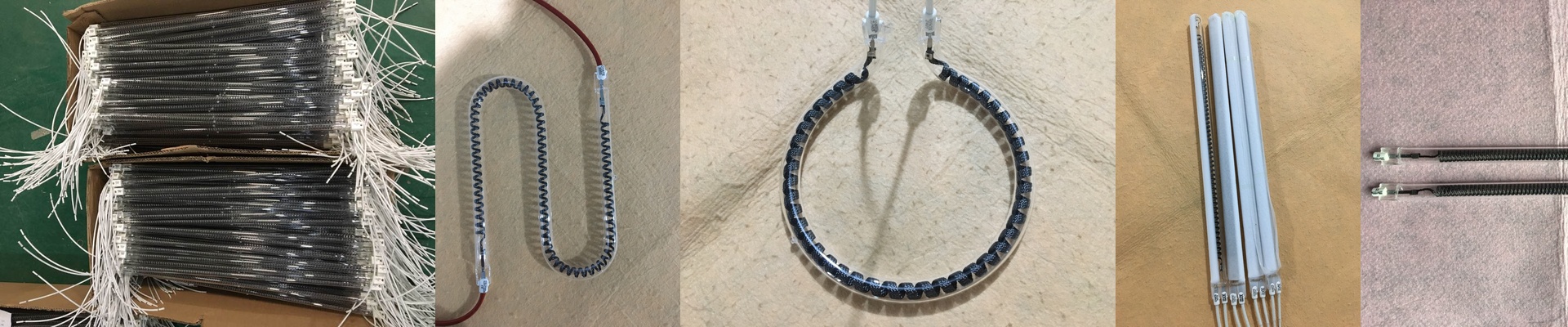
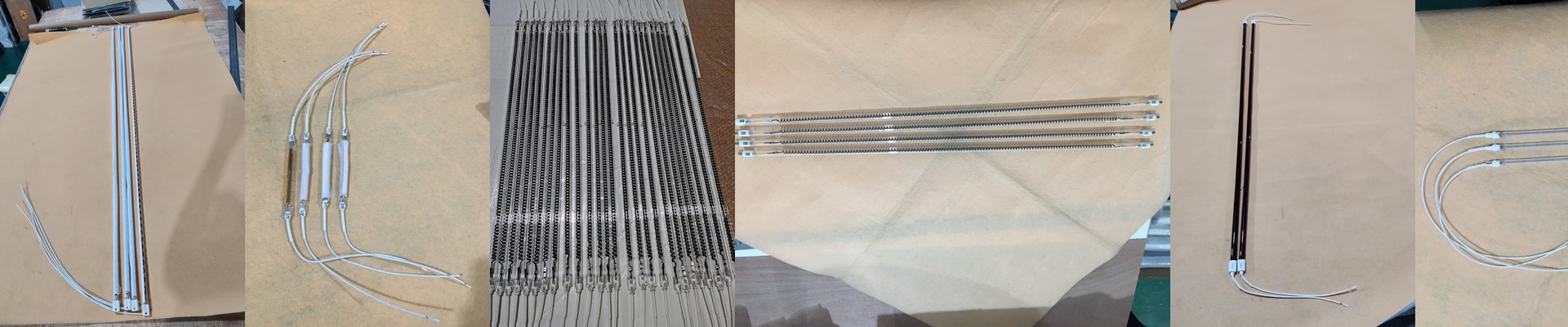
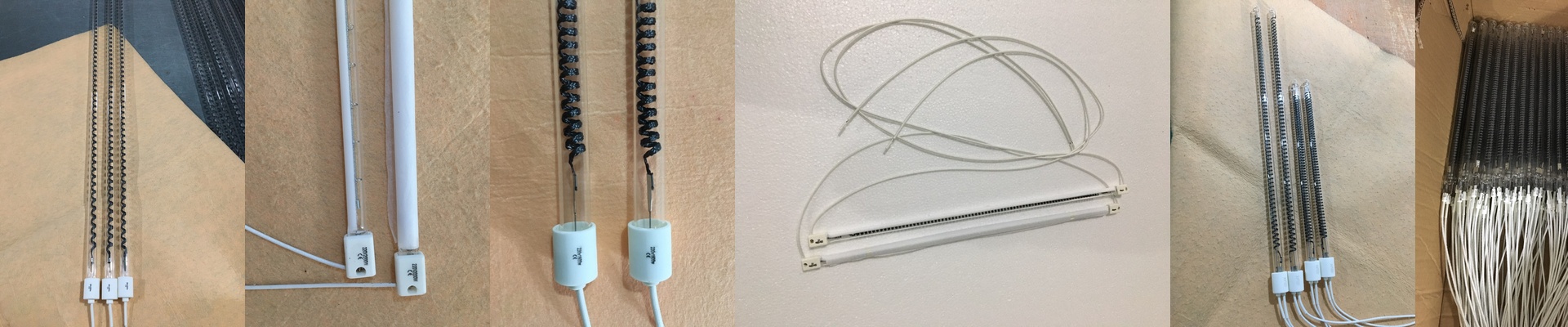
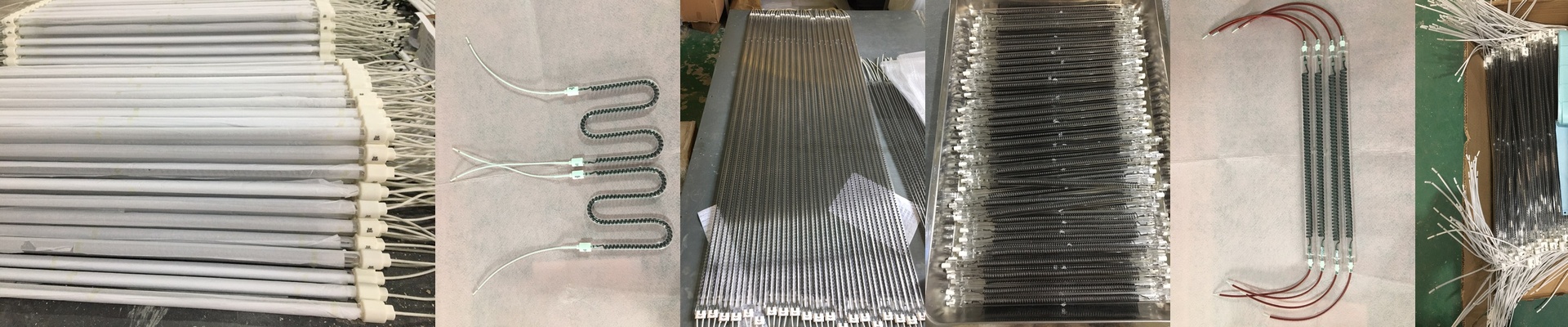
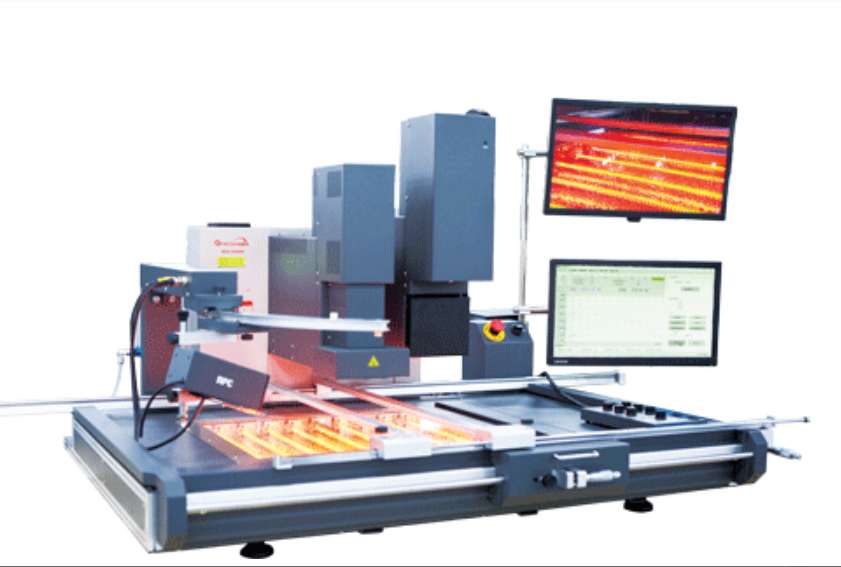
We do things differently with our digital heating stations. Instead of pushing air, we use infrared (IR) waves. Think of it less like a blow-dryer and more like the sun hitting your skin on a July afternoon. These waves don’t need air to move; they just travel straight through the PCB substrate. Instead of just heating the “skin” of the board, the energy goes deep. It hits the solder and the copper pads directly, exciting the molecules from the inside out. The result? The whole BGA footprint warms up evenly. You’re heating the actual joint, which is where the magic happens.
The Real-World Trade-offs
There’s a huge practical win here:no more “component blow-off.” We’ve all been there—you’re focused on the chip, and a blast of high-pressure air knocks a tiny SMD capacitor right off the board. It’s a nightmare to find and solder back on. With radiative heat, there’s no wind. Everything stays exactly where it belongs. But, I’ll be honest with you—it’s not a “set it and forget it” tool. IR heat depends on the material it’s hitting. A green board absorbs heat differently than a black or blue one. If you’re working with something weird or non-standard, you’ll need to tweak your ramp-up profile so you don’t create hot spots. That’s why we built these stations with precise wavelength control. We want the heat to target the solder, not just toast the plastic casing of your chip.