Stop Guessing Your Temperature
If you’ve ever dealt with high-output heating lamps, you know the struggle. The heat jumps around. One minute it’s perfect, the next your material is warping or your curing is all over the place. It’s frustrating. That’s why we build our digital temperature controllers. By pairing a PID controller with a high-wattage element, you basically kill those temperature swings. You get a steady, predictable heat that actually behaves.
The Nitty-Gritty of High Heat
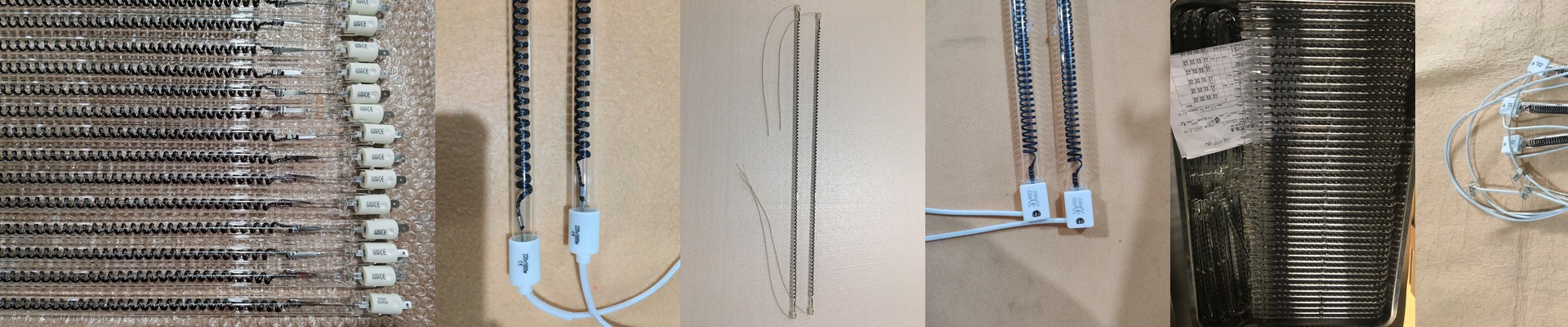
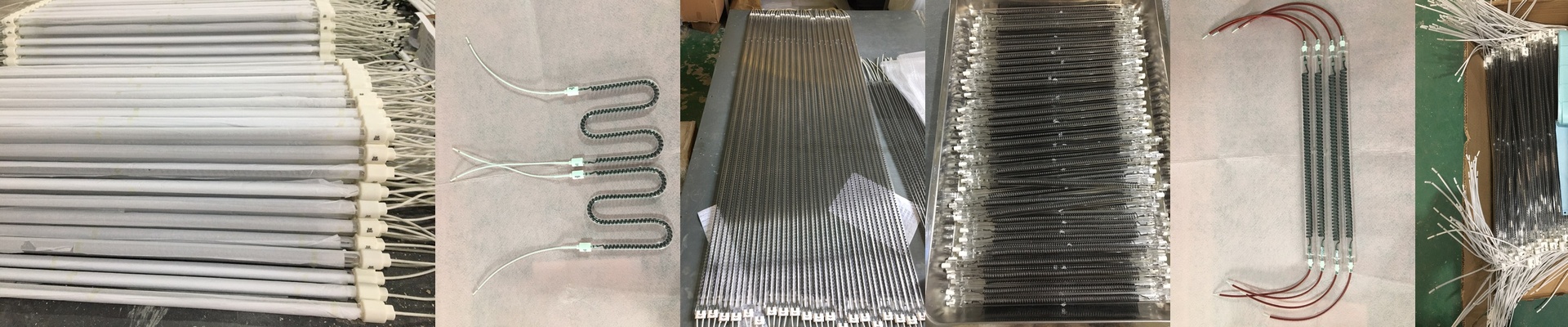
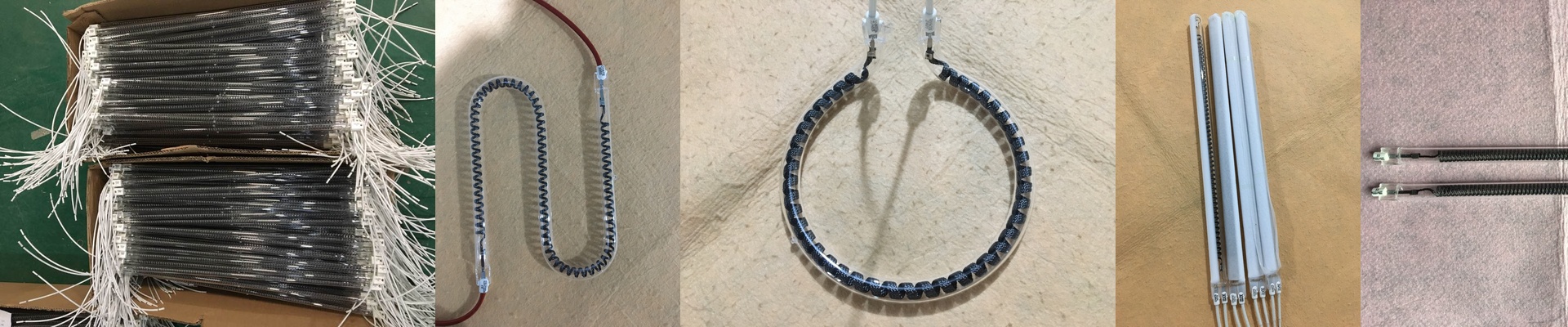
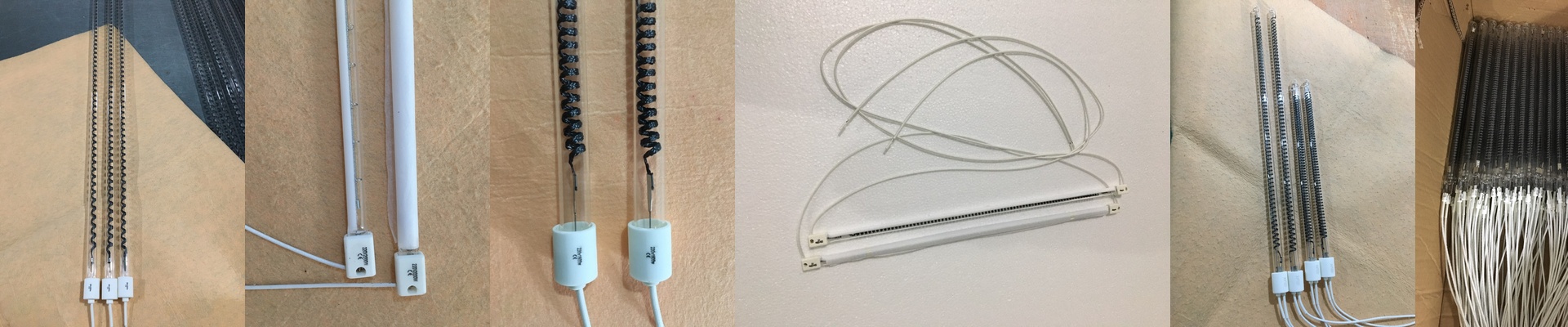
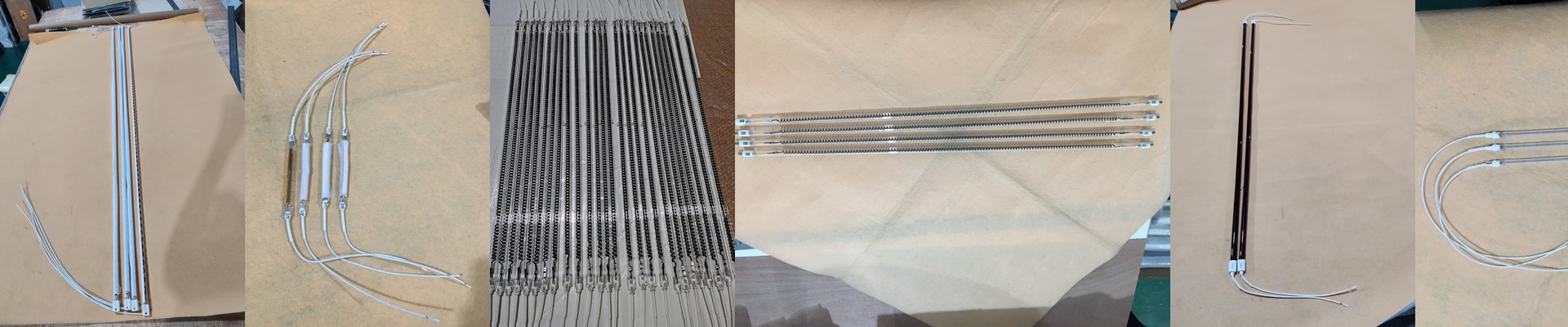
Here is how it works: the controller manages the “duty cycle” of the heater. Whether you’re using a halogen tube or coated quartz, the controller keeps the filament from burning out by smoothing out those nasty voltage spikes. Plus, you can set exactly how fast the heat ramps up. This is huge because it stops the glass from hitting a “thermal shock” and cracking. Now, if you need a lot of heat in a small space, you’ll probably want a 400V tube. It packs way more BTUs per square inch than a 220V version. Just a heads-up, though—that kind of concentrated heat is brutal on your reflectors and housing. Make sure your fans are actually moving the air, or you’re just going to keep tripping your thermal cut-offs.
Getting it Hooked Up
We use standard R7s and Sk15 connectors. We did this so you can just swap them into your current setup without a headache. The wiring is simple enough. But be careful with your contact points. If the connection is loose or dirty, you’ll get hotspots. Those hotspots will melt your sockets, and nobody wants to deal with that mid-shift.
The Honest Truth
Look, no system is perfect. While these digital controllers give you incredible precision, they do add a bit of electronic complexity. For example, if a Solid State Relay (SSR) fails, it can get stuck in the “on” position. That’s a recipe for disaster. Because of that, we always suggest adding an independent over-temperature limit switch. Think of it as your insurance policy—a simple fail-safe that saves your gear if the digital brain glitches. Our lamps hit the same heat flux as the big-name brands, but we think the way we handle the control side just makes more sense for the people actually using them.