Getting the Heat Right: A Look at Carbon Infrared for Saunas
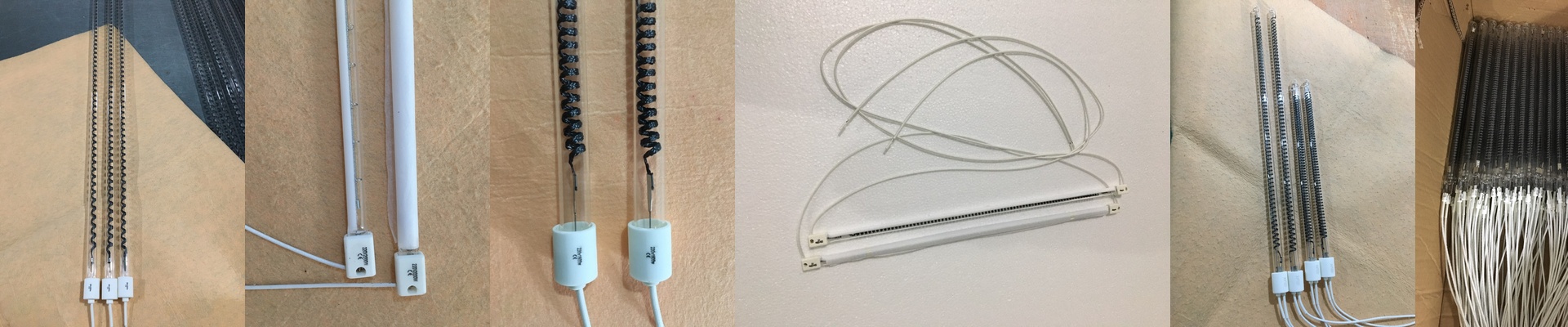
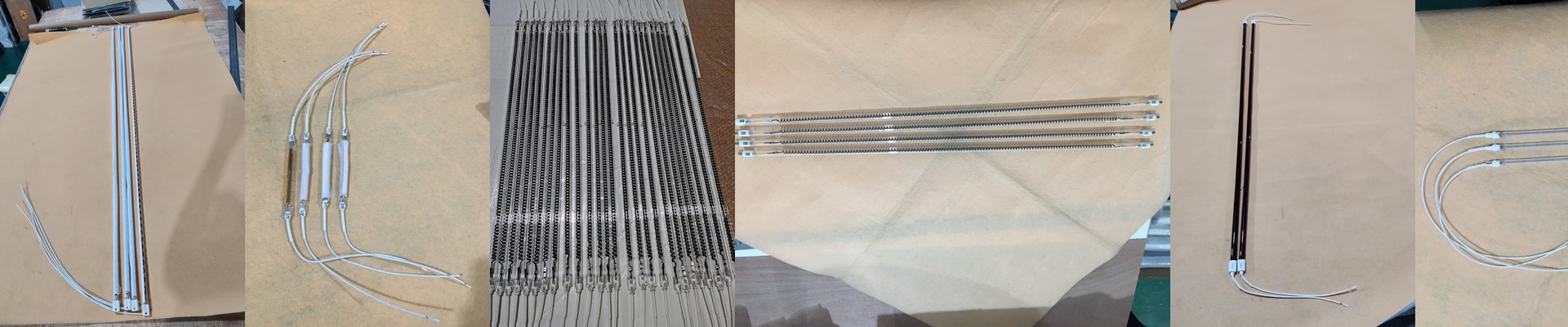
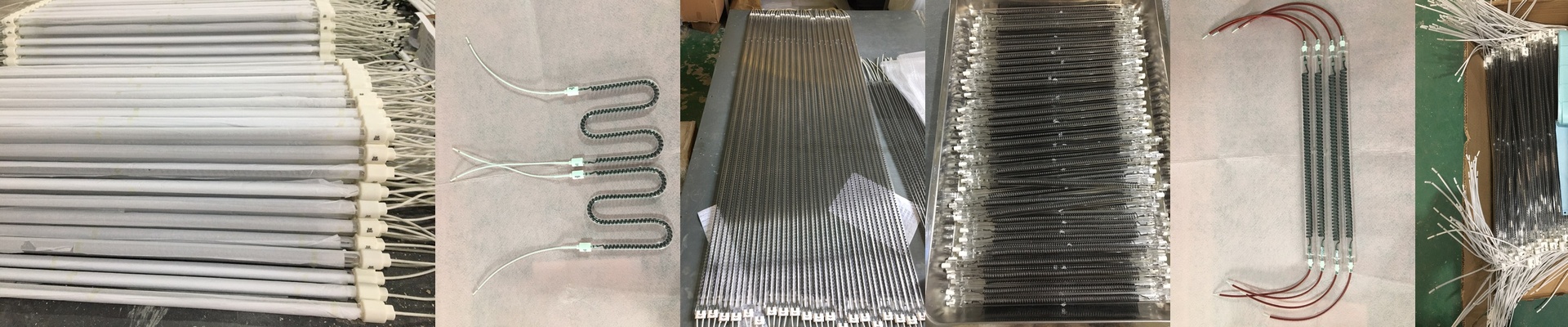
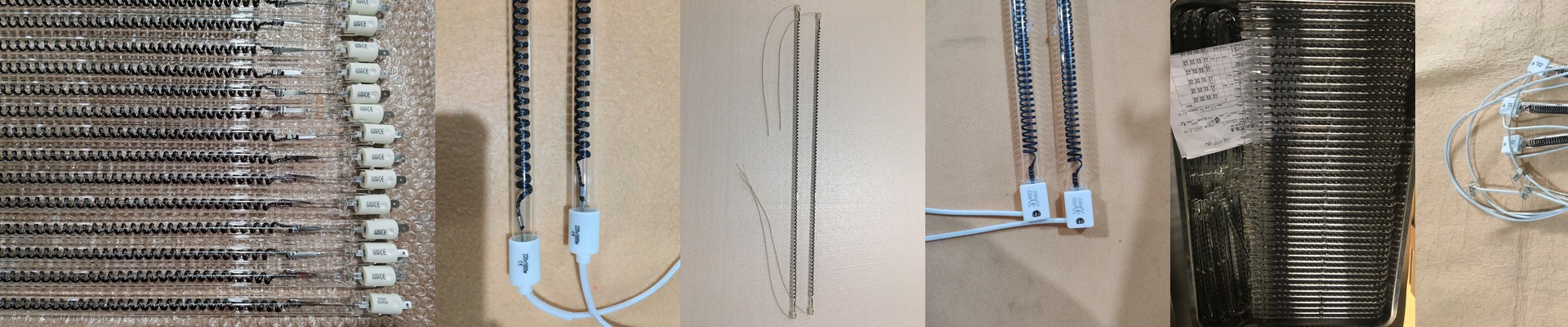
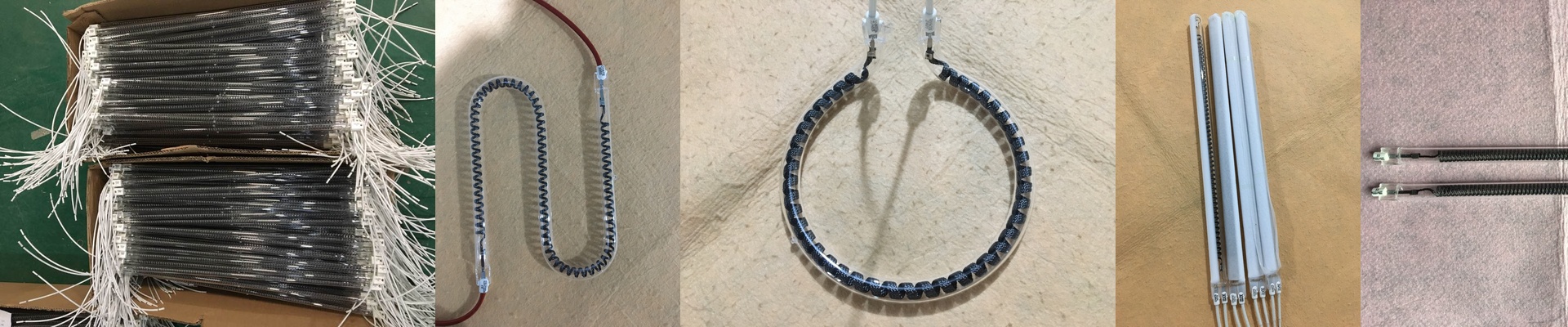
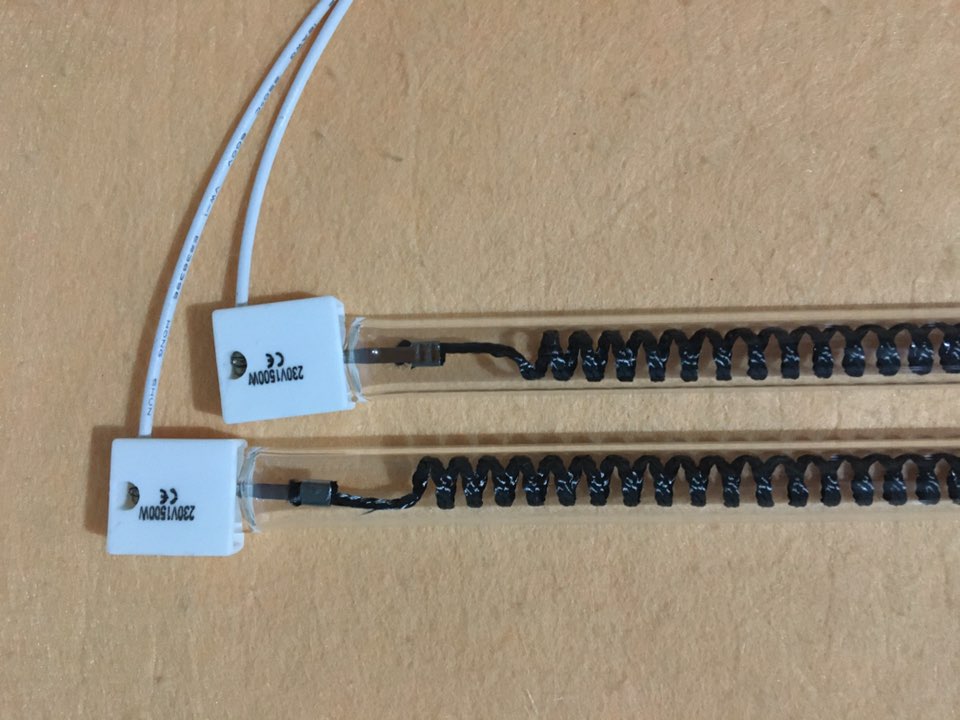
If you’ve ever stepped into a sauna and felt like you were just baking in hot air, you know the struggle. That’s why we use carbon-fiber filaments instead of those old-school quartz lamps. Here is the secret: carbon emits far-infrared (FIR) radiation. Instead of just cranking up the room temperature, this heat actually sinks into your muscles and tissues. It feels more like standing in the sun on a crisp autumn day—you feel the warmth deep inside your bones, not just on your skin. Talking Power and Specs When we’re figuring out which heater to use, it all comes down to how much heat the room can actually handle. Most of our gear runs on standard 220V-240V lines, but the wattage depends on how long the tube is. We prefer longer emitters. Why? Because they spread the heat out. Nobody likes a “hot spot” that feels like a heat lamp at a buffet—that’s how you get burned. But you have to be careful. You’ve got to balance that wattage with how well your cabin is insulated. If you throw too much power into a tiny, poorly vented room, you’re just going to trip the thermal cut-offs and kill the vibe. What’s Happening Inside the Tube The carbon element sits inside a high-purity quartz tube. It’s a simple setup, but it works. It gets up to temperature way faster than those clunky resistive wires. We also add specific coatings to the glass. This keeps the energy in the infrared spectrum. You want heat, not a bright light show while you’re trying to relax. To make sure everything stays tight, we use press-fit or crimped connections. These can handle the constant expanding and shrinking as the heater warms up and cools down without shaking loose. The Trade-offs (And How to Fix Them) The good news is that these are pretty easy to drop into most existing sauna setups. They play nice with standard PID controllers or even a basic timer. But here is the catch: carbon filaments are a bit fragile. They aren’t as rugged as metal. If your sauna is in a spot where things might get bumped or shaken, you absolutely need to protect those tubes. A bit of tempered glass or a sturdy metal grate does the trick. Without that guard, one bad bump can snap the filament, and suddenly your expensive lamp is just a fancy piece of glass.