Getting the Heat Right for Quantum Chips
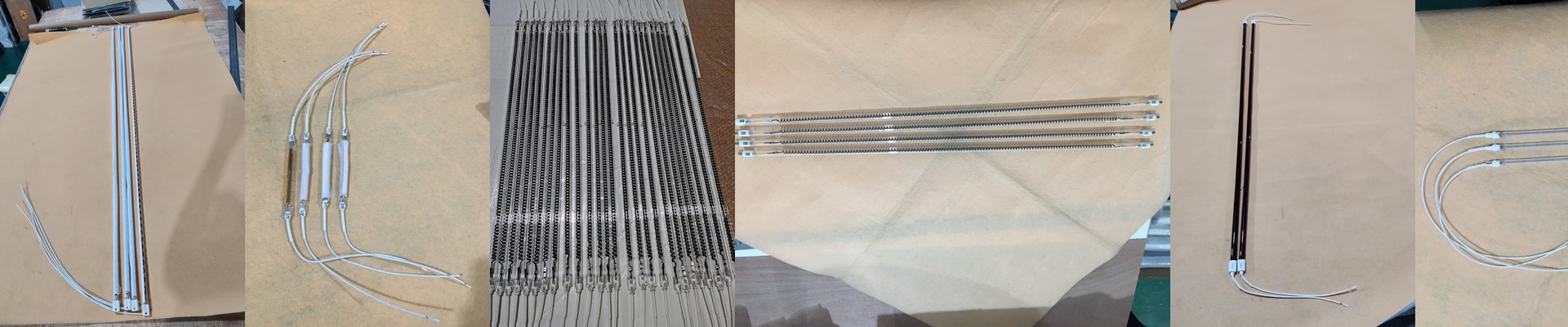
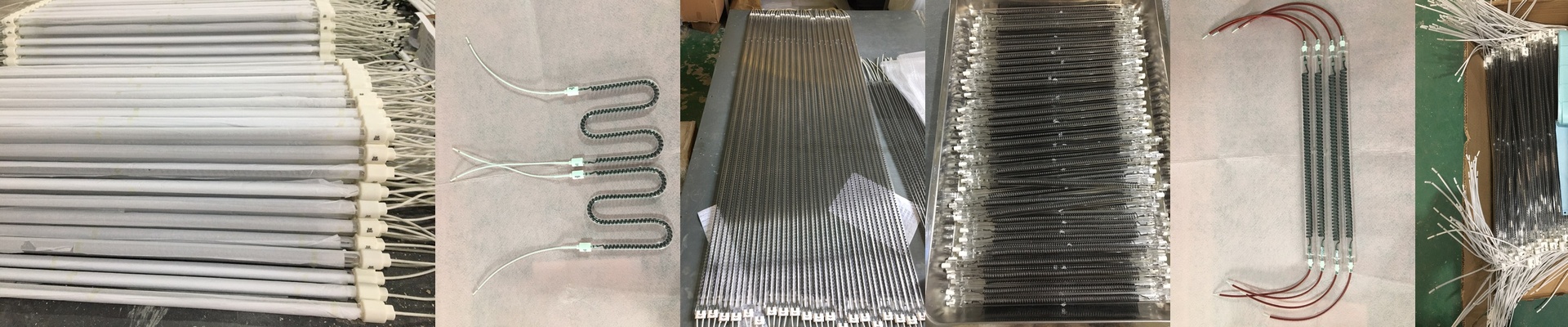
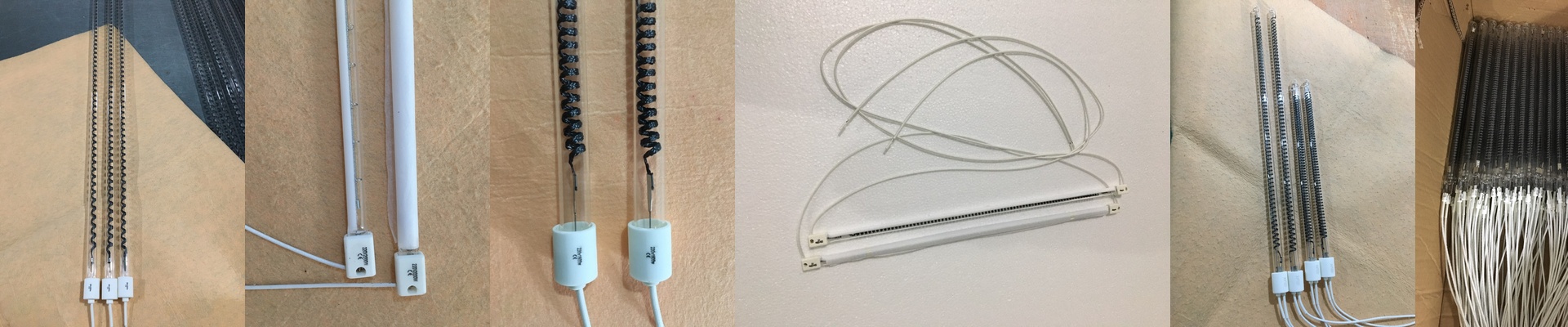
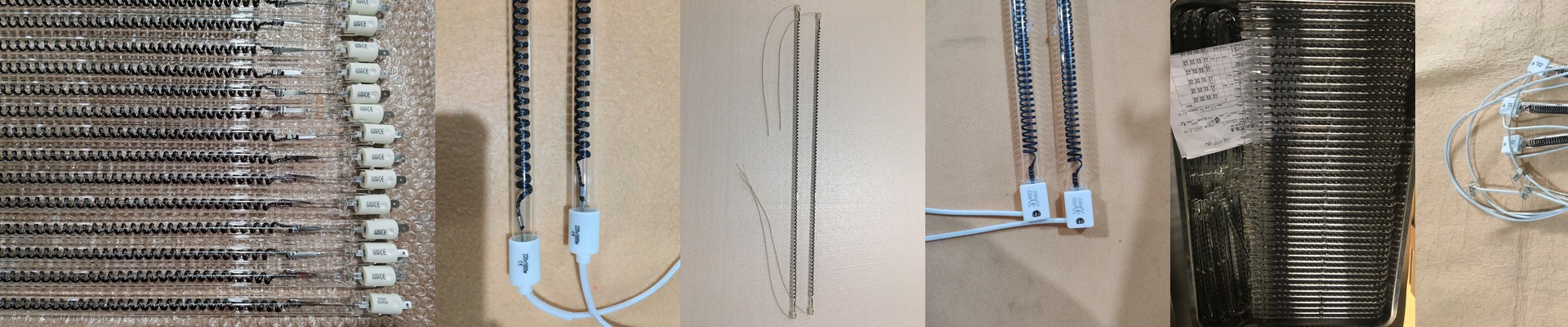
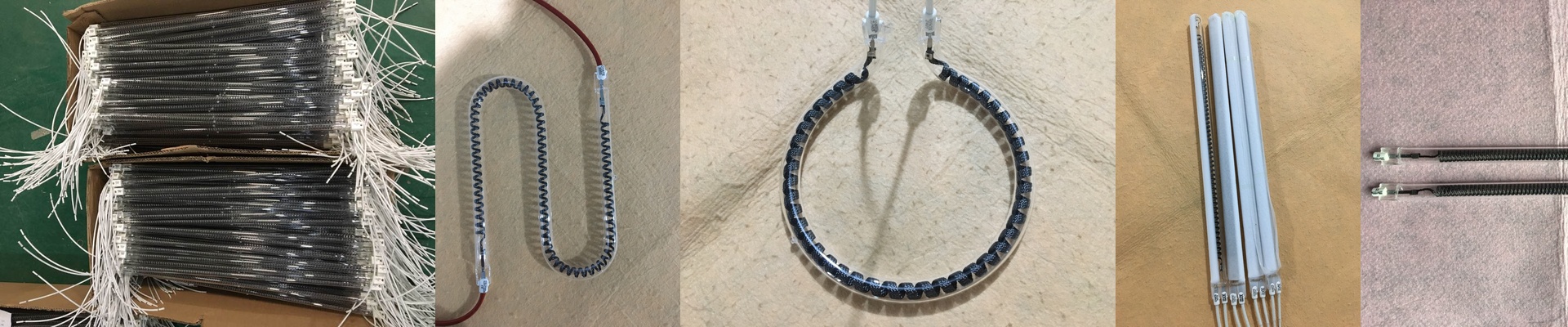
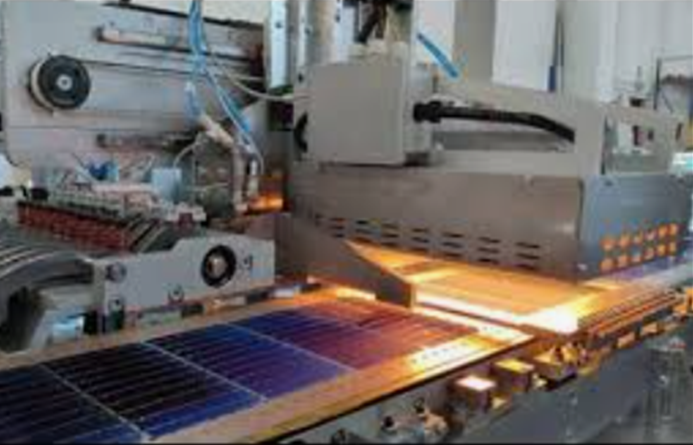
When you move from slapping together standard PCBs to building quantum chips, the way you handle heat has to change. Completely. Those big convection ovens you’re used to? They just don’t cut it here. That’s why we use digital infrared (IR) heating stations. It’s all about targeted energy. You want the heat to hit the substrate exactly where it needs to, without turning the rest of your workspace into a sauna. The trick is in the wavelength. Quantum processors eventually live at near absolute zero, but getting them built and bonded requires some serious, high-intensity heat. We stick with short-wave IR emitters because they actually dig deeper into the material. Long-wave radiation just bounces off the surface. By dialing in the wavelength, you can heat the solder paste or bonding agent directly. It’s the only way to keep the substrate from warping. No more guessing games. We use digital stations because “close enough” isn’t an option. We rely on PID loops to keep things stable within ±1°C. Think about that. If your temperature drifts by even five degrees, you could fry the delicate junctions of a quantum circuit. To stop that from happening, we wire in high-grade thermocouples right at the heat zone. That way, the controller knows exactly what the chip is feeling in real-time. The catch (because there’s always a catch). You can’t just plug these into a wall and call it a day. You need clean power. If you get voltage spikes, your IR lamps will flicker, and your precision is gone. Then there’s the heat density. These lamps put out a massive amount of energy. If you skimp on your exhaust or cooling fans, the housing will heat up, your sensors will start drifting, and you’ll end up ruining the whole batch. It’s frustrating, but avoidable. We designed these stations to be drop-in replacements for cleanrooms. We kept the footprint tiny so they actually fit inside gloveboxes or vacuum chambers. It’s a simple trade-off: you get extreme precision, but you have to be diligent about managing that localized heat.