The Headache of BGA Reflow: Radiation vs. Convection
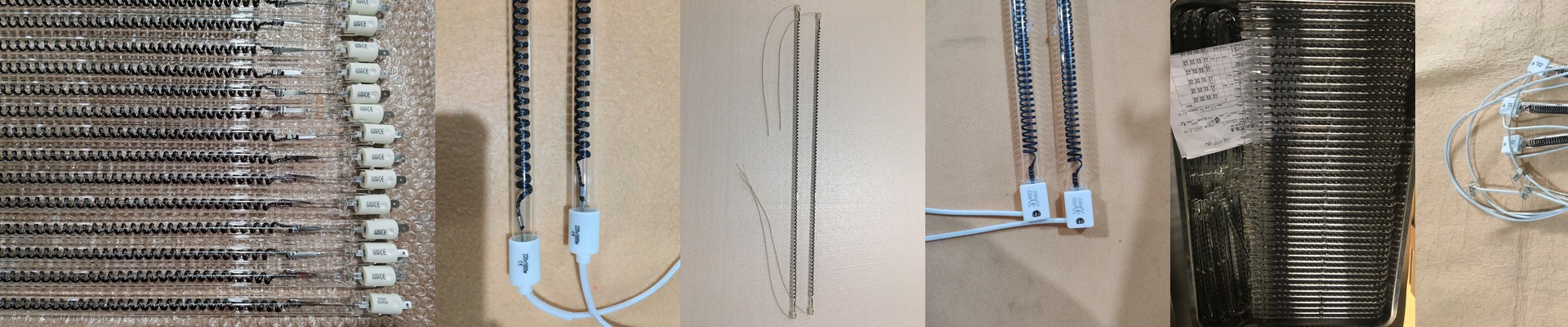
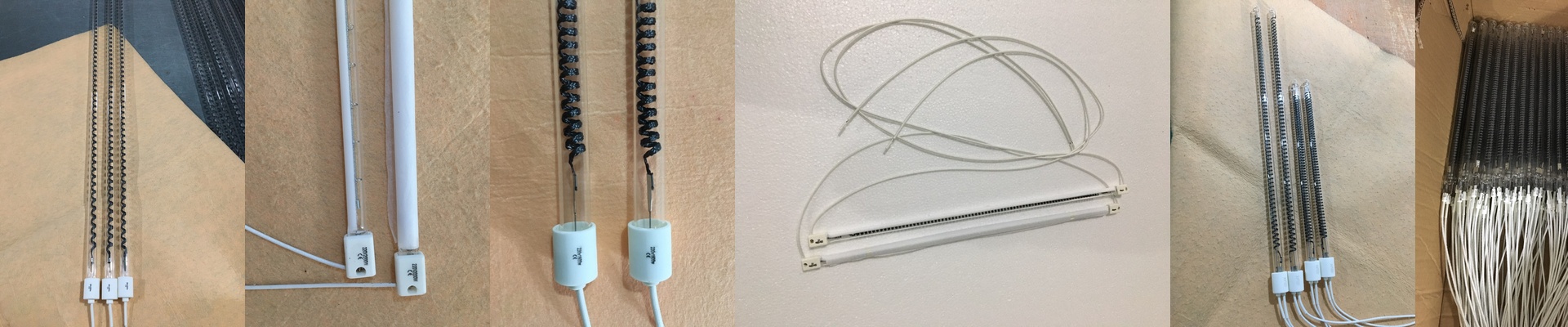
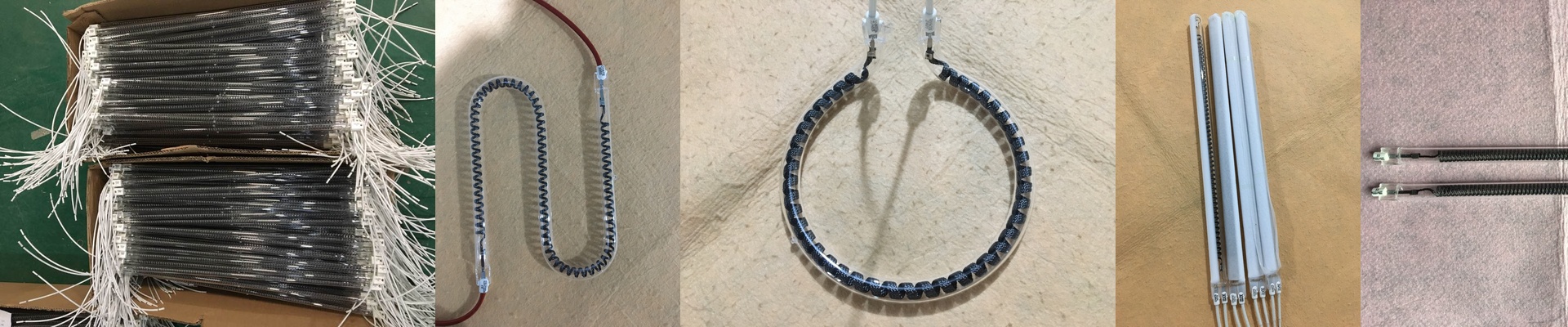
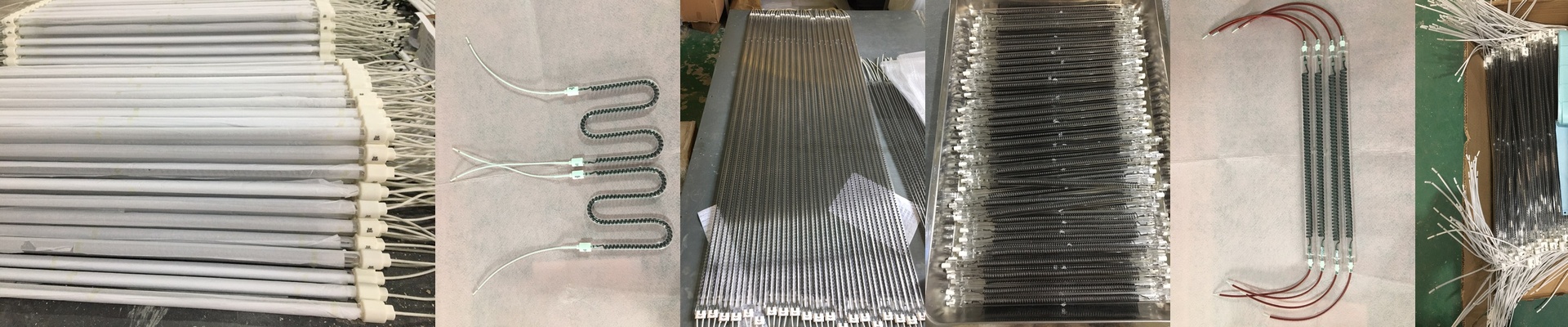
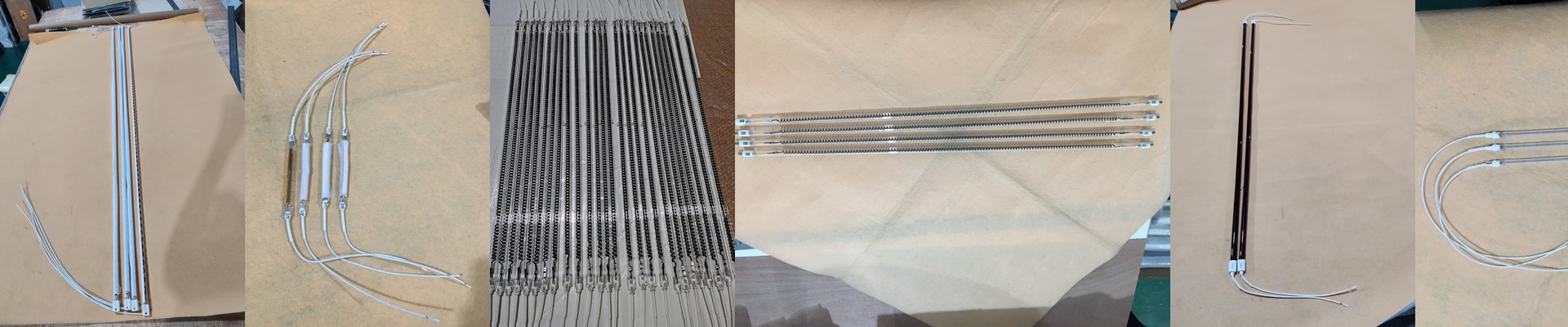
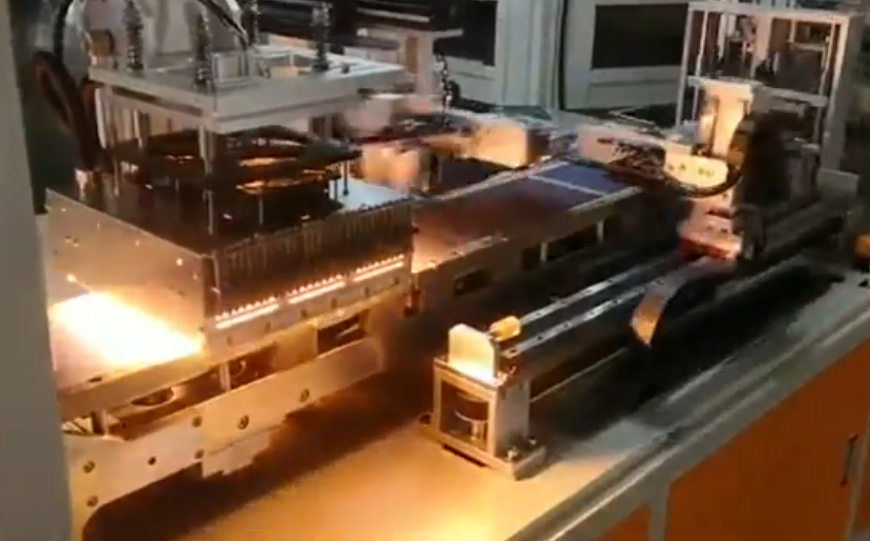
If you’ve ever worked with Ball Grid Array (BGA) packages, you know the nightmare of the “shadowing effect.” Here’s the problem: when you use hot air convection, that air has to fight its way under the chip to actually hit the solder balls. Most of the time, the air just takes the easy route and flows right around the component. The result? The edges of your chip are roasting while the center stays freezing. It’s a mess. A different way to think about heat Infrared (IR) heating doesn’t play by those rules. Instead of heating up the air and hoping it reaches the part, IR emitters send out waves that go straight into the components. It’s more like how the sun warms your skin on a cold day. The energy is absorbed directly by the substrate and those tricky solder joints. Since IR doesn’t need air to carry the heat, it just ignores the physical bulk of the BGA housing. You get the heat exactly where it needs to be—right at the joint. No more guessing if the middle of the chip is actually hot enough. Where hot air falls short Hot air is just… slow. It clings to the PCB in a thin layer, and if you’ve got a dense board with tall components, those parts act like walls, blocking the airflow and creating cold spots. You might think, “I’ll just crank up the blower or turn up the heat.” But that’s a gamble. Do that, and you risk blowing tiny SMD components right off their pads or shocking the board with too much heat too fast. The reality check Now, IR is faster and way more precise, but it isn’t a magic fix. Different materials react differently. A black component is going to soak up heat way faster than something shiny and silver. This means you have to be careful with your digital temperature controller. If your PID settings are a bit off, you’ll overshoot the liquidus temperature and fry the silicon before you even realize it. My advice? Grab a calibrated thermocouple and a dummy board. Spend some time dialing in your profiles until they’re perfect. It saves a lot of heartbreak later.