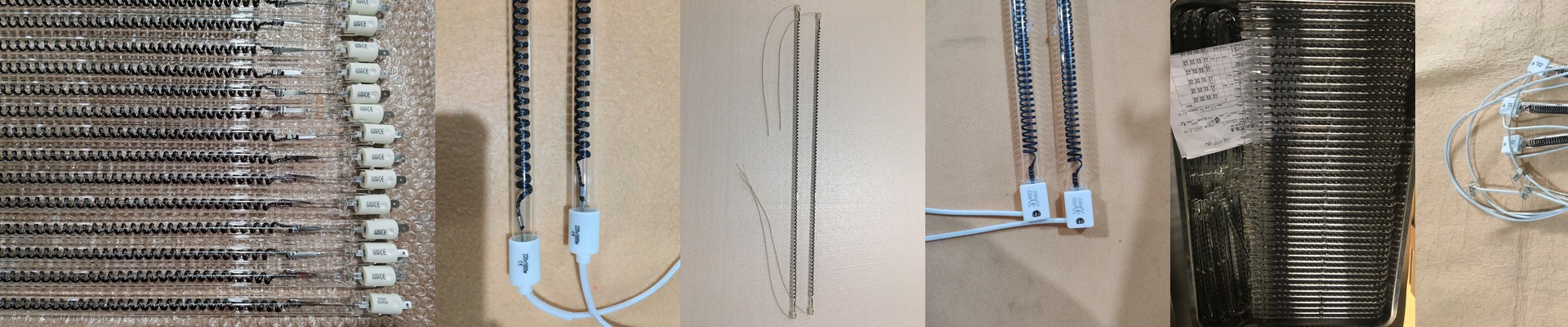
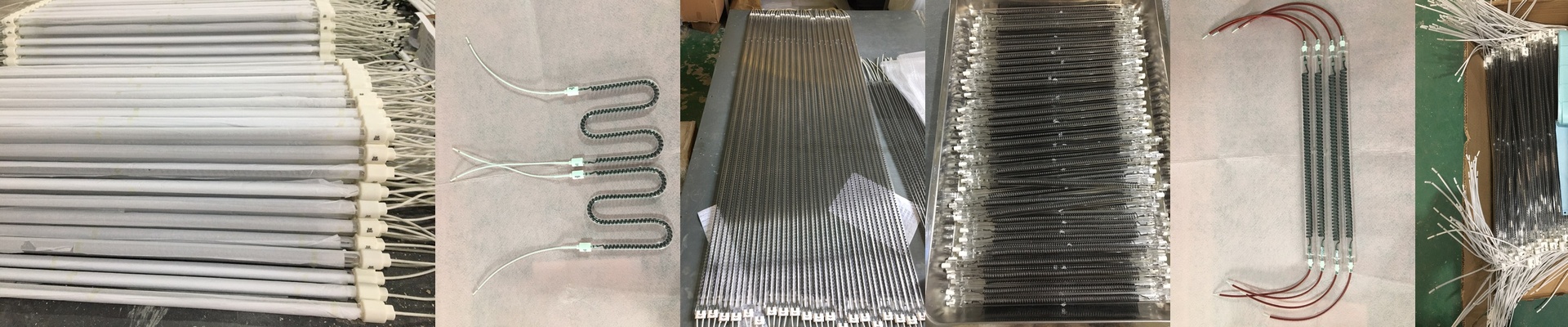
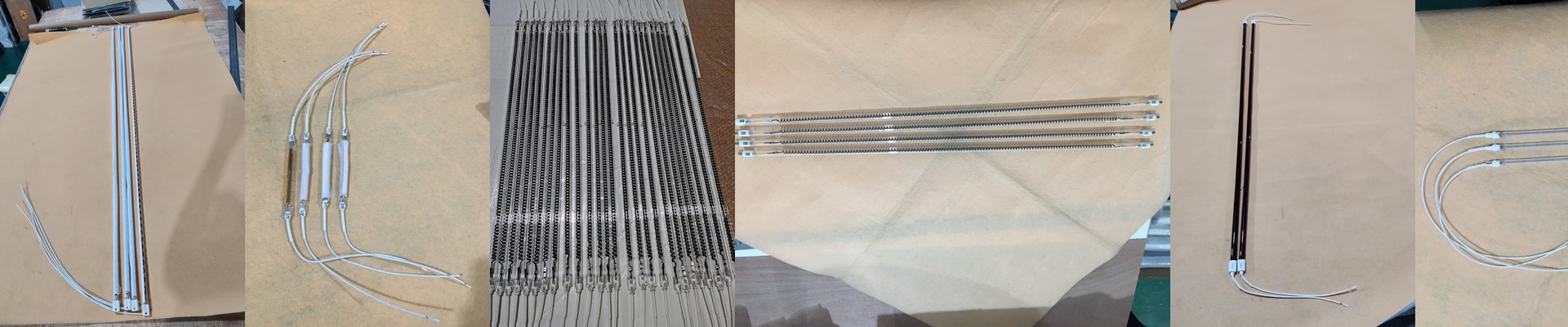
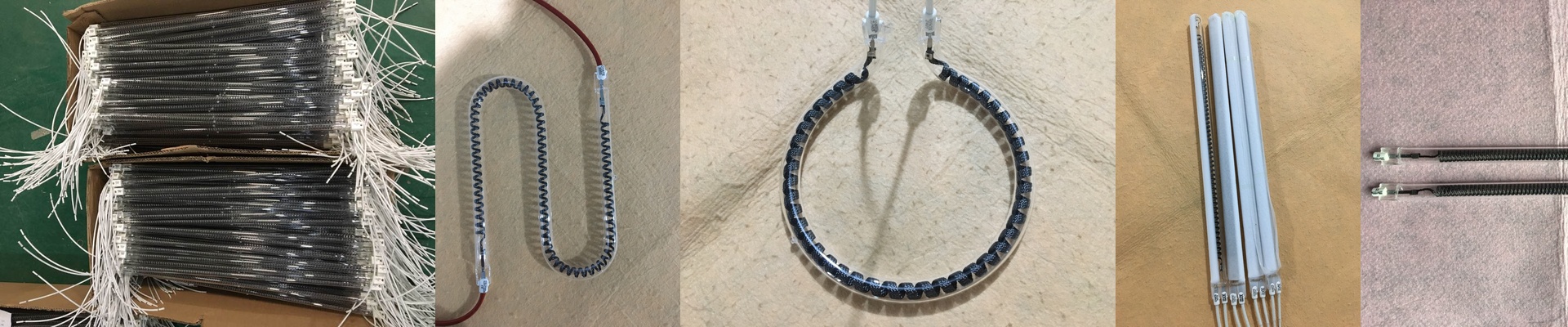
Stop fighting with rigid heaters
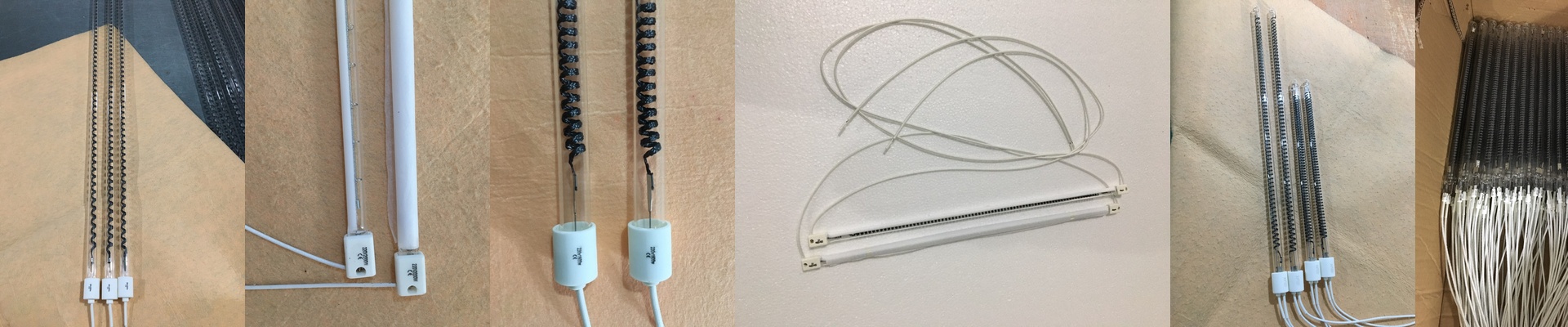
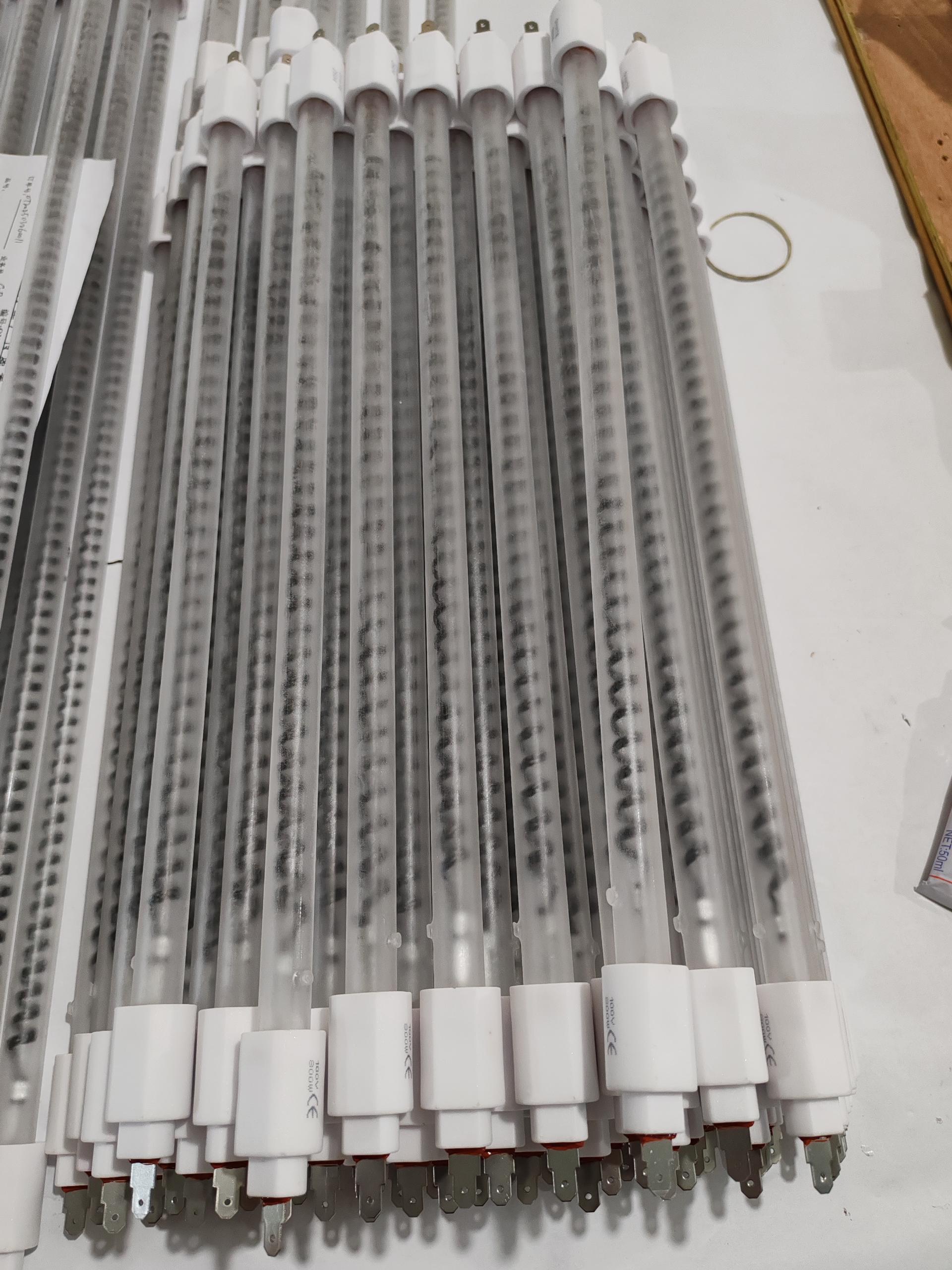
Let’s be honest: quartz and ceramic heaters are a pain. They’re brittle. One wrong move or a bit of mechanical stress, and snap—there goes your production line. That’s why we went with flexible carbon fiber. Instead of fighting against a stiff tube, you can actually bend these. You can wrap the heat right around curved molds or squeeze them into those tiny, awkward gaps where a standard lamp just won’t fit. The secret is in the fiber. We weave high-tensile carbon filaments into a matrix that turns electricity into long-wave infrared heat. The best part? Carbon fiber doesn’t really care about rapid temperature swings. It doesn’t warp or deform when things get hot fast. Plus, you don’t have to deal with those annoying hot spots you get with old-school wire-wound heaters. The heat is just… even. Across the whole thing. A few things to keep in mind during setup. Getting these running is easy—they play nice with standard PID controllers. But here is the catch: watch your bend radius. If you kink the tube too hard, you’ll snap the internal fibers. That spikes the resistance and kills the element. To play it safe, just leave a little bit of breathing room at the connection points so you aren’t pulling on the wires. Where this actually makes a difference. If you’re doing PET blowing, shrink wrapping, or curing composites, this is for you. You get all the heat density you need to activate a surface quickly, but without the “handle with care” anxiety of glass. And if your machinery vibrates a lot? These can take a beating. Just one last tip: make sure your outer cladding is rated for your target temperature. If you use a low-temp sheath on a high-wattage run, you’re just going to melt your insulation. Simple as that.