The Real Deal on Carbon Fiber IR Lamps
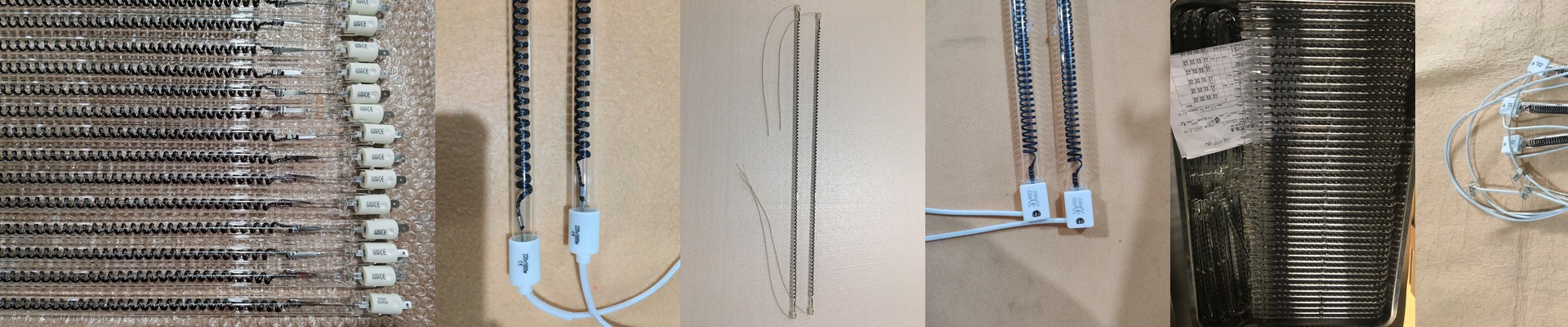
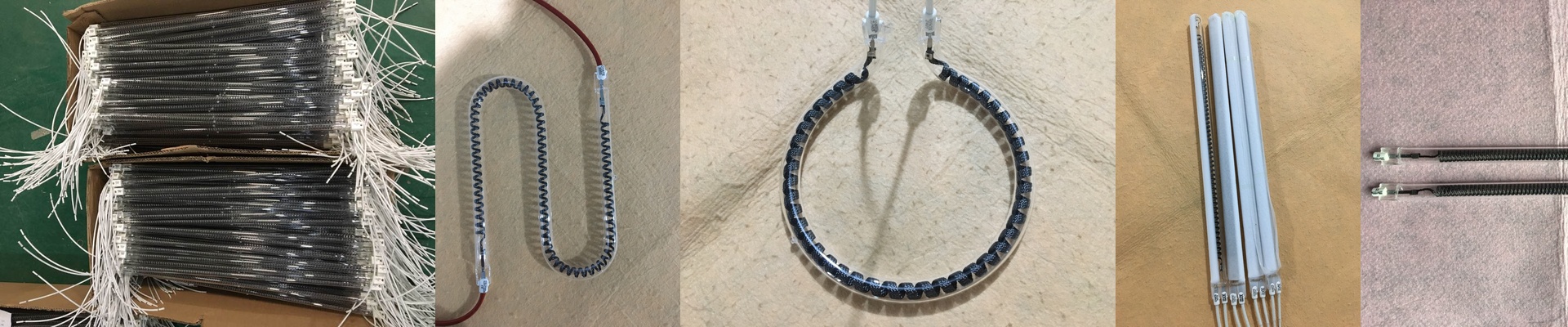
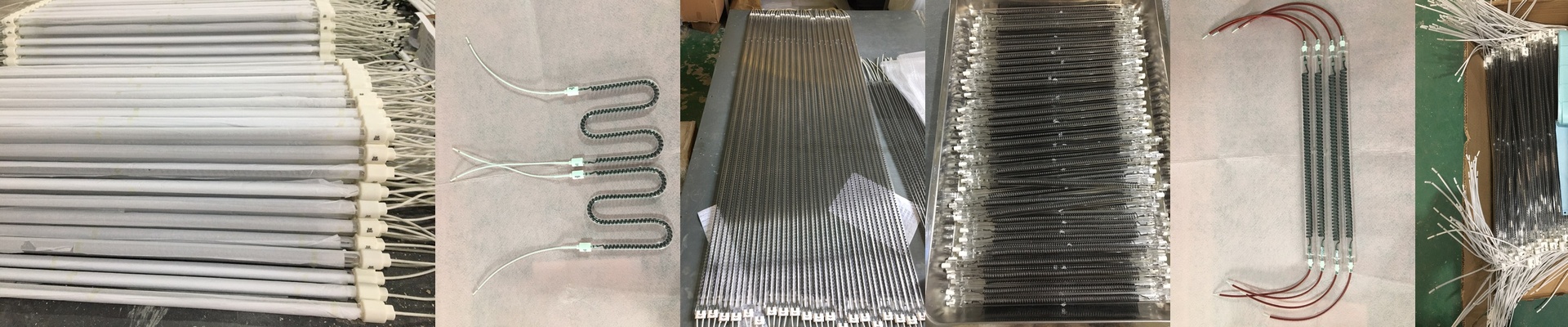
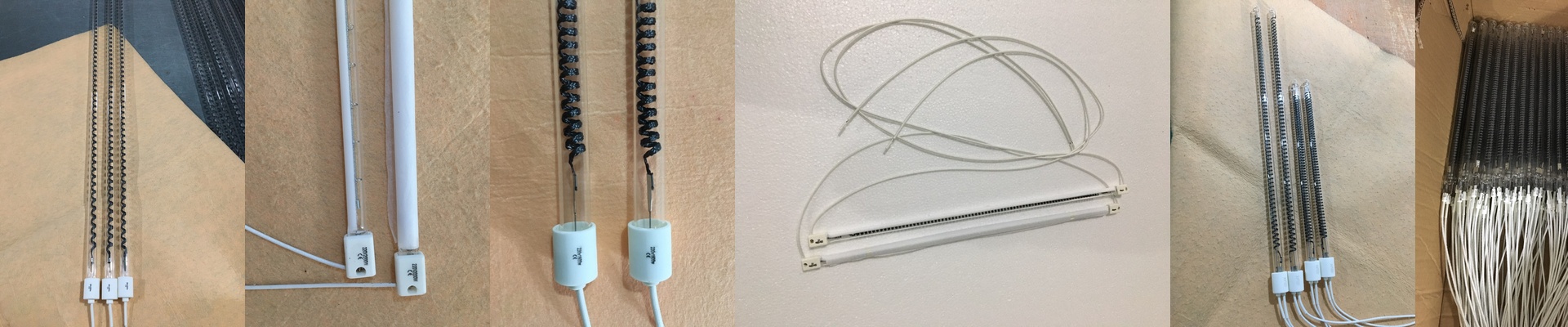
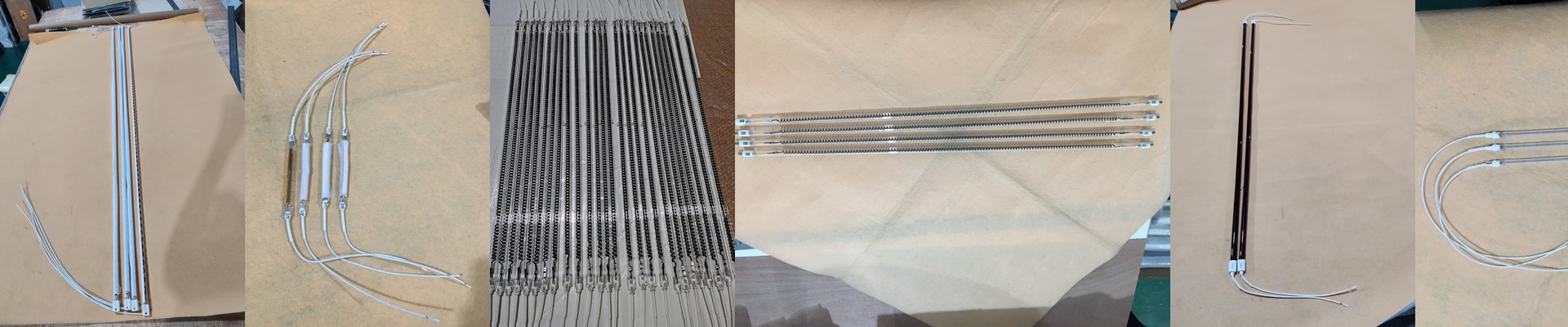
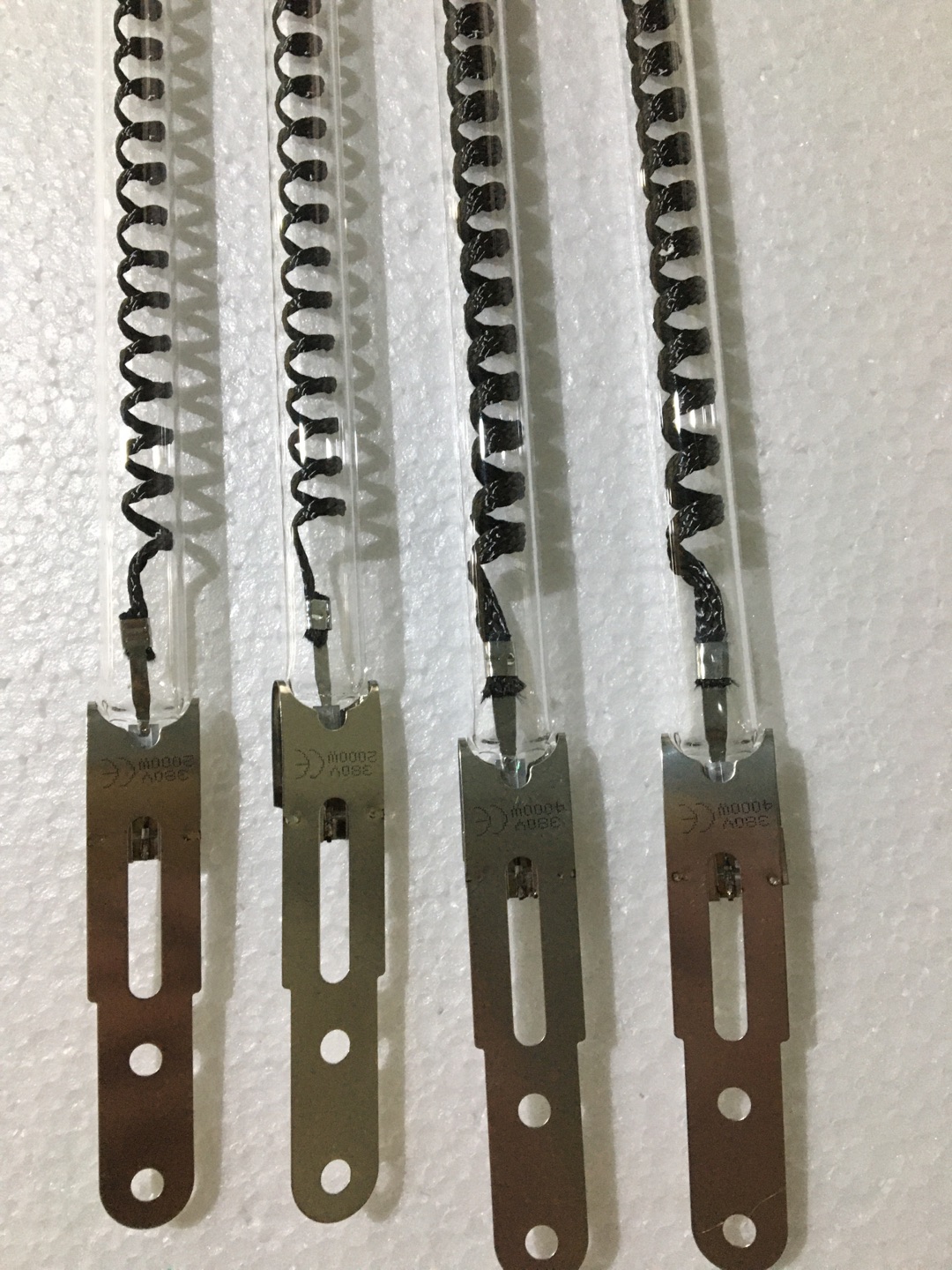
Ever wonder why some industrial heaters just feel… sluggish? Most of it comes down to what’s inside the tube. We use carbon fiber filaments wrapped in quartz, which basically lets us pump out high-intensity shortwave radiation without the usual headache. Unlike those old-school metal coils that have to get screaming hot to work, carbon fiber does its job at lower temperatures. But it hits a wider spectrum of energy. If you need a machine that heats upfast, this is the way to go.
Balancing Power and Heat
Here is the thing about voltage and wattage: it’s all a balancing act. When we spec out a high-wattage tube, we’re essentially packing more heat into every millimeter of the lamp. High voltage helps us push all that power through a short length without blowing a fuse. But there’s a catch. Massive heat is great for production, but it puts a lot of stress on your power supply. You’ll also want to make sure your cooling system can handle the extra ambient heat around the housing, or things get uncomfortable quickly.
The Nitty-Gritty: Materials and Plugs
We stick with quartz glass for the outer shell. Why? Because it doesn’t soak up the IR rays—it just lets them fly straight through. Inside, the carbon filament is the real hero. It doesn’t “burn out” the way thin metal wires do, so you aren’t replacing them every five minutes. As for the connections, we use the basics—R7s or Sk15. We do this so you can just pop a new one in during maintenance without a fuss. Plus, if your machine vibrates a lot, these connectors keep the lamp seated and stop those annoying electrical arcs from happening.
Putting Them to Work
You’ll see these all over PET blowing and plastic curing lines. They’re great because they hit the material instantly. You aren’t wasting money heating up the air in the room; the heat goes straight into the product. It’s a lifesaver when your floor space is tight and you can’t afford a slow warm-up. One quick tip:keep your reflectors clean. If dust builds up on the mirror, your efficiency tanks. The lamps end up running hotter than they need to just to compensate, and that’s how you shorten the life of your gear. Keep them shiny, and they’ll keep humming.