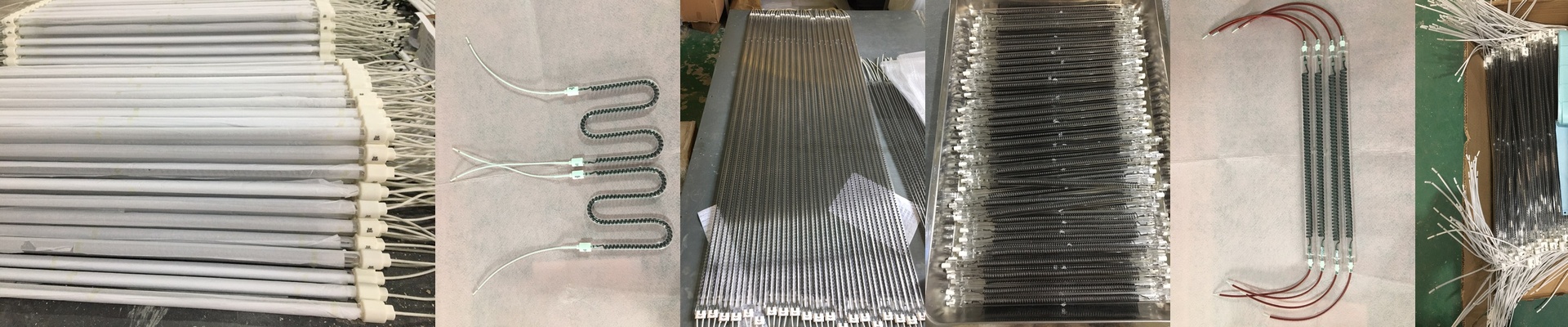
Let’s talk about Carbon Fiber Infrared Heating
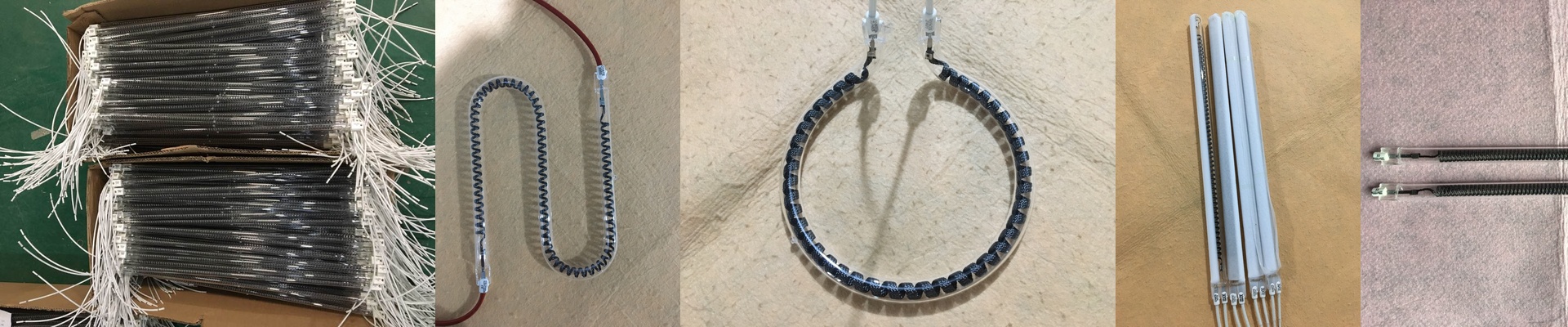
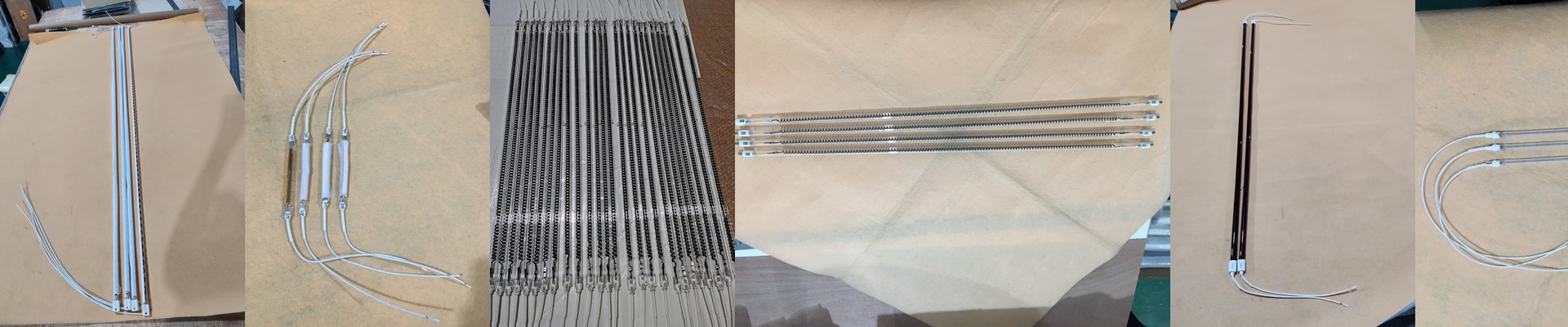
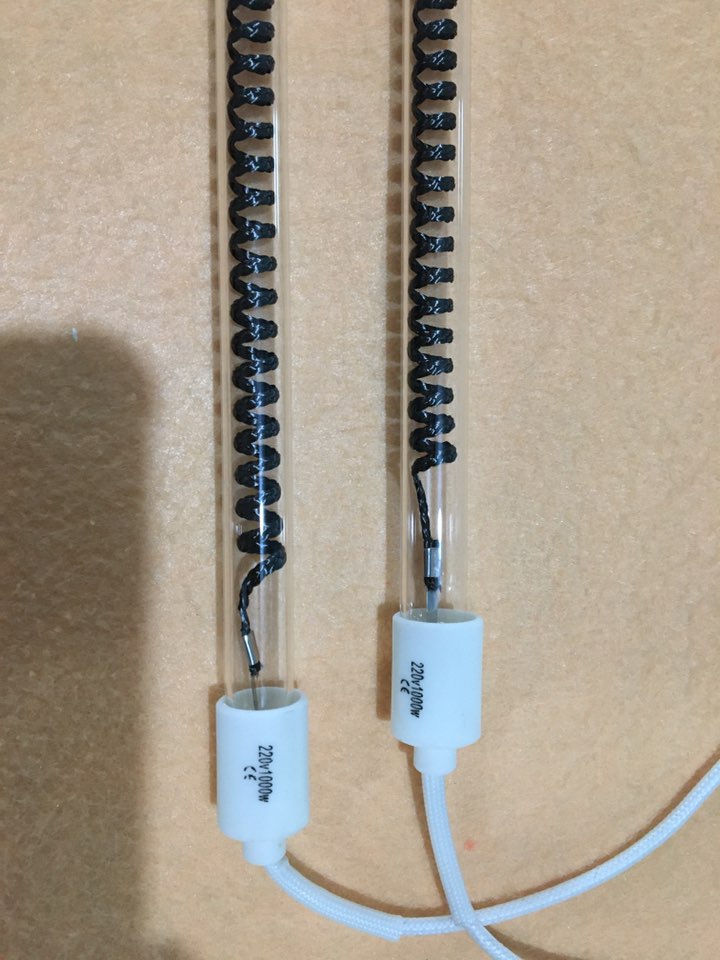
We build these carbon fiber lamps for the tough jobs—the kind where standard halogen tubes just can’t keep up or keep living. Instead of those old-school wire coils, we use a carbon fiber filament. It’s a huge difference. You get a wider emission spectrum and the heat hits almost instantly. No more waiting around for things to warm up.
Getting the power right
Here’s the thing: the output really comes down to how you pair your wattage and voltage. If you’re doing PET blowing or need rapid curing, you’ll want those high-wattage tubes for that intense, short-wave radiation. But you’ve got to be careful with your power supply. If you push too much voltage into a low-voltage tube?**Snap.**The filament is gone. On the flip side, if you underpower them, you’ll never hit the surface temp you need to actually bond or mold your material. It’s all about that sweet spot.
The build and the bits
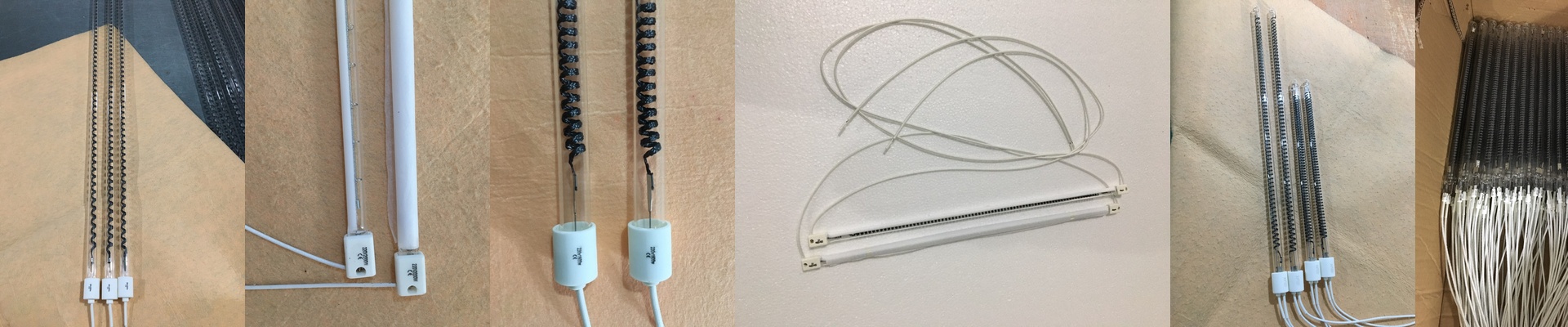
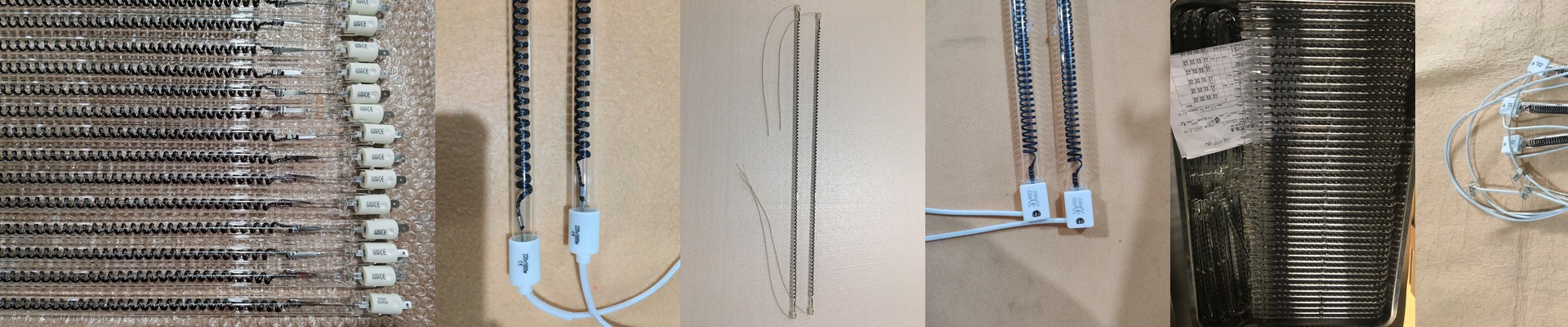
We wrap that carbon filament in high-purity quartz. It keeps the oxygen out so the filament doesn’t burn up, and it lets the heat pass straight through without the glass soaking it all up. When it comes to wiring, we’ve got you covered with R7s or Sk15 connectors. They’re simple, they fit tight, and they don’t wiggle. Plus, we can add a special coating to some versions that bounces the heat back toward your workpiece. It’s a smart way to stop wasting energy.
Real-world use (and a few warnings)
These are pretty much drop-in replacements for most industrial heaters. They take up less space and get you to temperature way faster. But, a word of caution: carbon fiber is a bit picky about vibration. If your machine shakes a lot, please use dampened mounts. Otherwise, you’re asking for trouble. And since these things put out a lot of heat in a small area, make sure your housing can breathe. If the airflow is blocked, that quartz tube will get too hot and eventually crack. Keep it vented, and you’re golden.