Getting Your Head Around Carbon Fiber Heating
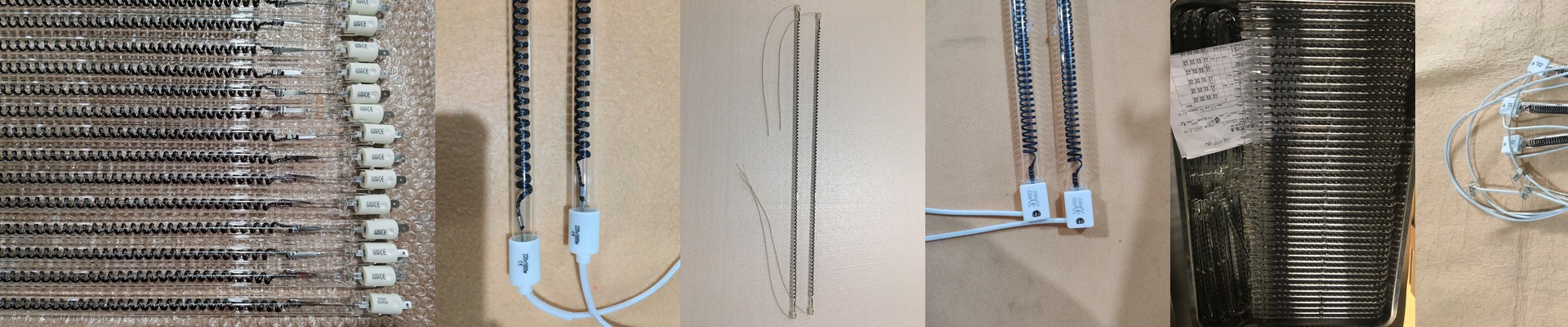
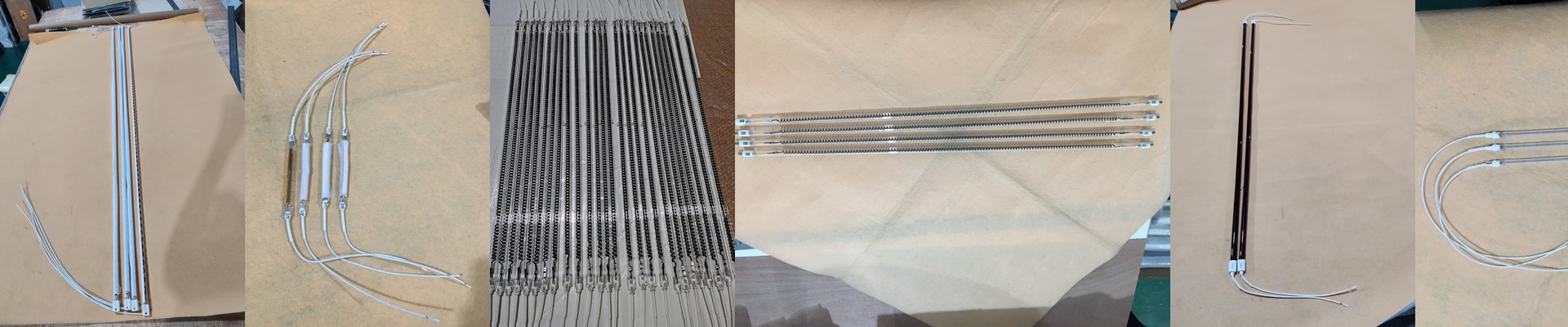
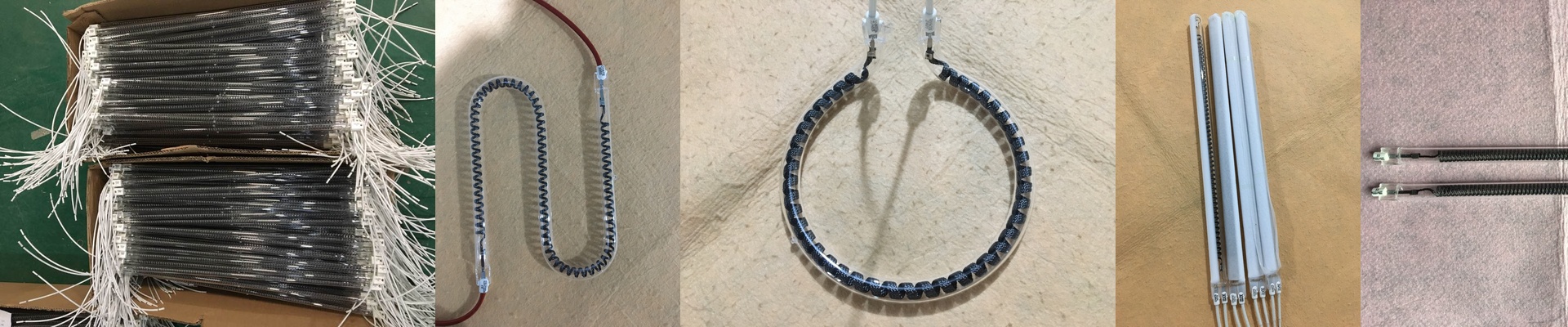
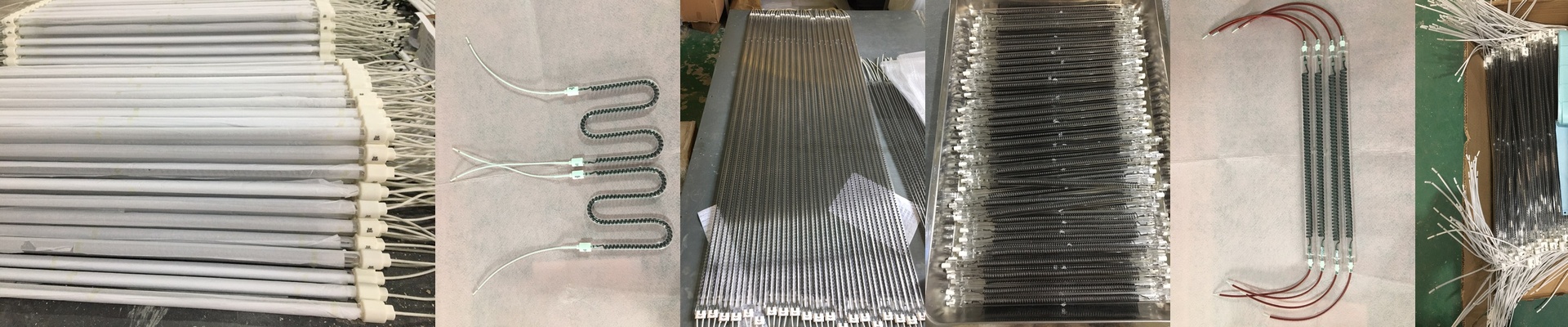
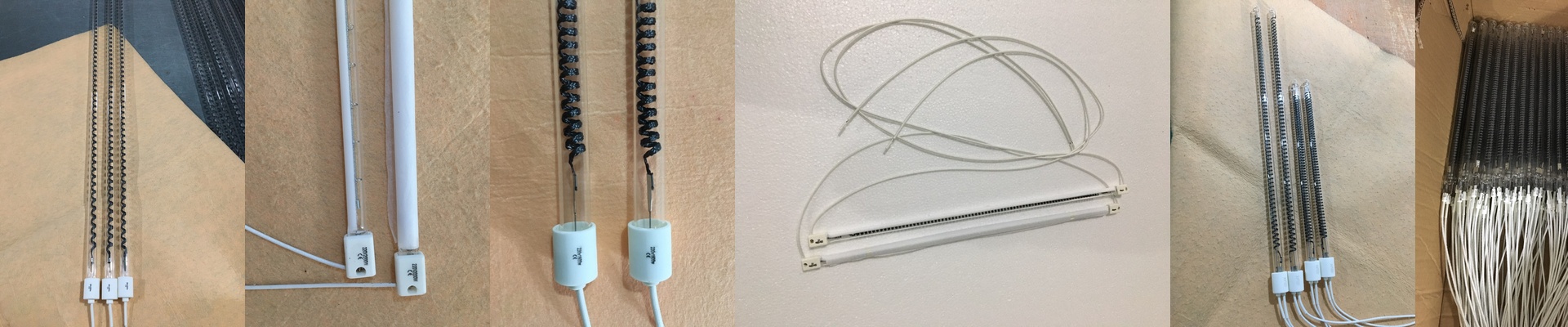
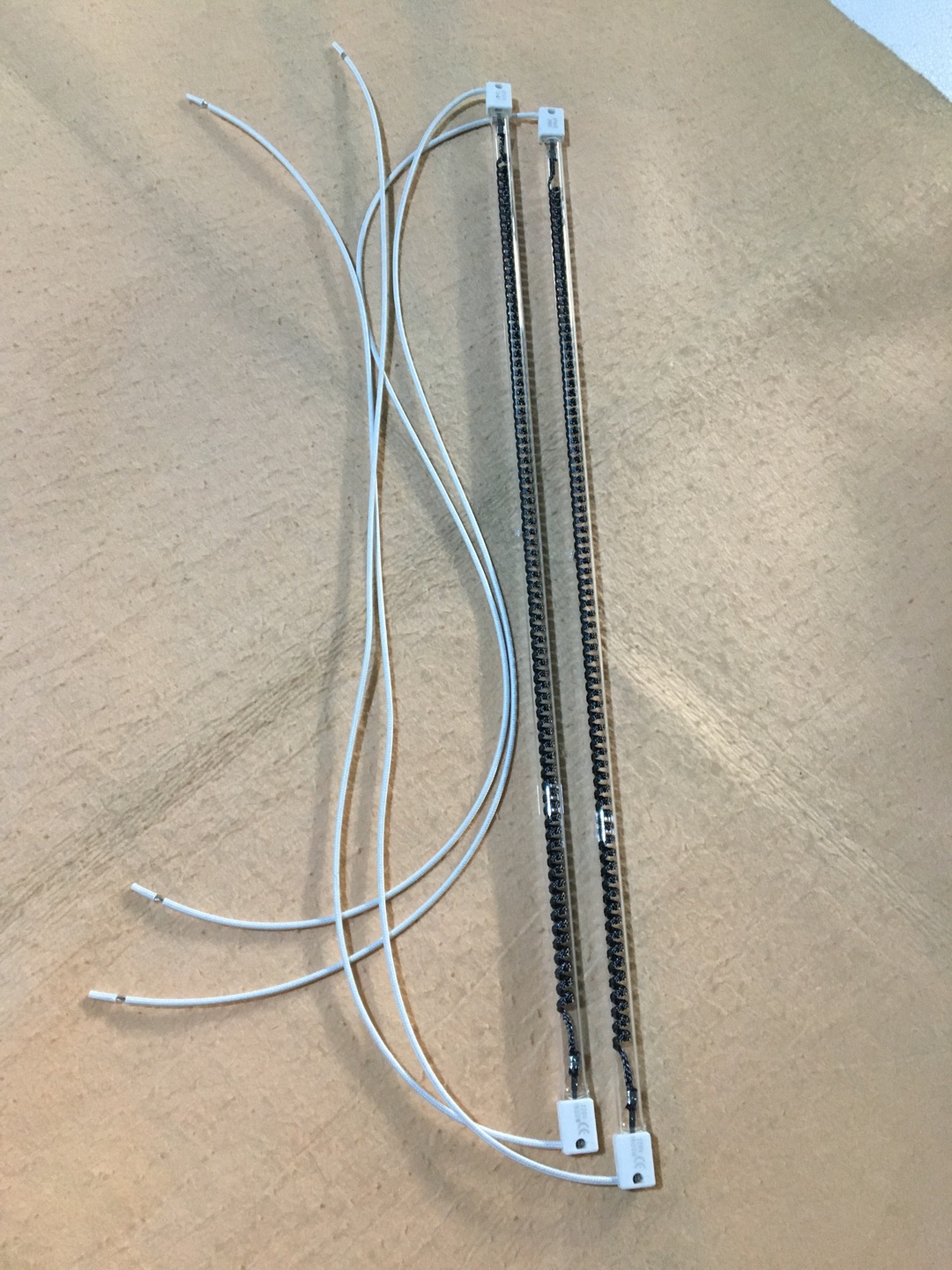
If you’re used to standard metal alloy coils, carbon fiber is a different beast entirely. Instead of just getting hot, these filaments pump out infrared radiation. The result? You get a much tighter heat footprint and things warm up incredibly fast. The Power Side of Things The real magic happens in the weave density and the length of the fiber. When you’re picking out an element, you’re basically looking at the wattage-per-centimeter. If you go with a high-wattage setup, you can hit your target temps in a matter of seconds. This is a lifesaver for things like PET blowing or shrink wrapping, where you only have a tiny window of time to shape the material before it’s too late. Just a heads-up: make sure your power supply actually matches the element’s resistance. If you don’t, you’ll fry the thing the second you flip the switch. Build Quality and the “Catch” To keep the fibers from oxidizing or getting beat up, we tuck them inside a high-purity quartz or ceramic sleeve. One thing I love about carbon fiber is that it doesn’t sag. Even after thousands of heat cycles, it stays perfectly straight. But here’s the catch: they’re fragile. While a steel heater can take a beating, one good whack to a quartz sleeve will crack the seal and kill the whole element instantly. Handle them with care. Making it Work in Your Setup Wiring these takes a bit of a steady hand. We use specific connectors to keep the current moving smoothly so you don’t end up with dangerous hot spots at the terminals. And since these things pack so much heat into a small space, you’ve got to think about airflow. If you cram them into a tight housing without any ventilation, you’re going to bake your other machine parts. I’d also suggest using a PID controller. It stops the temperature from overshooting during that first big jump in heat, which keeps everything stable.